Choosing the Right Online Ordering App for Restaurants: Features, Costs, and Compliance
-

- Published Updated
- 1,418 views
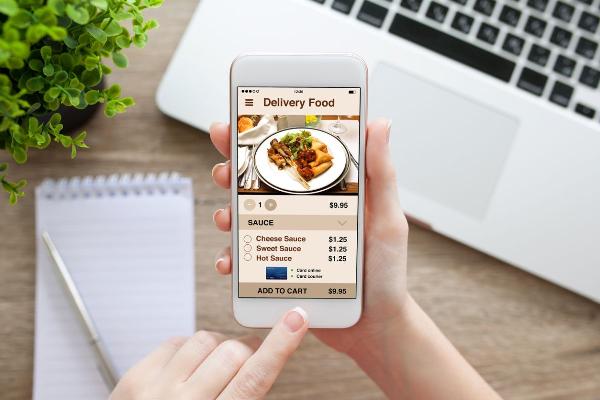
An Online Ordering App for Restaurants enables customers to place pickup or delivery orders through mobile apps or web interfaces while helping restaurants manage menus, payments, and fulfillment. Choosing a suitable app affects order accuracy, customer experience, revenue share, and operational efficiency.
- Core features: menu management, payment processing, order routing, and POS integration.
- Key considerations: fees, onboarding, delivery management, security, and regulatory compliance.
- Compliance and security: follow PCI Data Security Standards and applicable privacy rules such as GDPR or national consumer protection laws.
Key features of an Online Ordering App for Restaurants
Menu management and customization
Menu management tools let restaurants publish items, modifiers, photos, and pricing. Features to look for include timed availability, category organization, allergen or dietary labels, and easy photo uploads. Real-time menu updates help reduce customer frustration when items sell out or prices change.
Ordering flow and user experience
An effective ordering flow minimizes steps from browsing to checkout. Look for clear item descriptions, visible taxes and fees, order notes, estimated preparation times, and accessible accessibility features. Mobile-responsive web ordering and native mobile apps support different customer preferences.
Payments and security
Payment processing should support major card networks and tokenized payments, and offer support for contactless wallets. Payment data must be handled according to industry standards to reduce fraud risk and liability; see the PCI Security Standards Council for formal guidance on payment security and compliance.
Integration with POS and kitchen systems
Seamless integration with a point-of-sale (POS) system and kitchen display systems improves order accuracy and speed. Check whether the app provides open APIs or native integrations for inventory, order routing, and sales reporting to avoid manual reconciliation.
Delivery, pickup, and fulfillment options
Options for self-delivery, third-party delivery dispatch, curbside pickup, and scheduled orders give restaurants flexibility. Features that reduce delivery friction include route optimization, delivery partner APIs, driver tracking, and in-app instructions for curbside pickup.
Reporting and analytics
Operational and financial reports should cover order volume, average ticket, item popularity, refund rates, and channel performance. Analytics that integrate with accounting or business intelligence systems enable data-driven decisions about menu engineering and staffing.
Costs, pricing models, and contract terms
Common pricing models
Pricing models include flat monthly subscriptions, per-order fees, percentage commissions, and hybrid approaches. Hidden costs can appear as payment processing fees, setup or onboarding charges, and fees for integrations or API access. Review contract length, termination clauses, and any revenue-sharing arrangements.
Assessing total cost of ownership
Consider initial setup costs, staff training, hardware needs (kitchen printers, tablets), ongoing support fees, and the impact of fees on margins. Compare expected incremental revenue from online orders against these costs to evaluate return on investment.
Security, privacy, and regulatory compliance
Payment security and standards
Payment data must be processed and stored according to payment card industry requirements. The PCI Security Standards Council publishes standards and resources for merchants and service providers to reduce cardholder data risk. Implement tokenization, encryption, and secure transmissions to limit exposure to breaches.
Privacy and consumer protection
Privacy rules vary by jurisdiction. In the European Union, the General Data Protection Regulation (GDPR) governs personal data handling; in other regions, consumer protection and data breach notification laws may apply. Maintain clear privacy policies and obtain necessary consents for marketing communications.
Implementation checklist and operational tips
Deployment steps
- Define objectives: pickup growth, reduced phone orders, or new revenue.
- Evaluate integrations: POS, accounting, and delivery partners.
- Pilot test: start with limited hours or a subset of menu items.
- Train staff: order handling, refunds, and kitchen workflows.
- Monitor metrics: order defects, average ticket, and customer ratings.
Accessibility and inclusivity
Ensure the ordering experience meets accessibility guidelines for screen readers and keyboard navigation. Provide clear allergen information and multiple language support when feasible to serve diverse customer bases.
When to consider a custom solution vs. off-the-shelf
Off-the-shelf platforms offer faster launch and built-in features, while custom solutions provide greater control over branding, fees, and data ownership. Consider technical resources, upfront costs, and long-term flexibility when deciding between the two paths.
Further reading and authoritative guidance
For formal guidance on payment security standards, consult the PCI Security Standards Council: PCI Security Standards Council. Additional regulatory information may be available from national consumer protection agencies and data protection authorities.
Next steps for restaurants
Create a shortlist, run trials during low-volume periods, and collect staff and customer feedback before full launch. Track operational metrics and iterate on menu design, fulfillment settings, and marketing to improve adoption and profitability.
What is an Online Ordering App for Restaurants and how does it work?
An Online Ordering App for Restaurants is a digital platform that allows customers to browse a menu, place orders, and pay for pickup or delivery. Orders are routed to the restaurant’s POS or kitchen system, processed by staff, and fulfilled according to chosen delivery or pickup options. The platform typically handles menus, payments, order confirmation, and basic reporting.
How are customer payments secured?
Payments are secured through encryption, tokenization, and compliance with payment industry standards. Merchants and service providers should follow frameworks published by payment security regulators and adopt secure development practices to reduce breach risk.
How can a restaurant reduce fees associated with online ordering?
Options include negotiating contract terms, choosing a subscription-based provider with lower per-order fees, promoting pickup to avoid delivery commissions, and owning the customer relationship through direct marketing to reduce reliance on third-party channels.
What should be tested during a pilot launch?
Test order accuracy, kitchen throughput, staff workflows, customer communication (confirmation and delivery tracking), and reconciliation of payments and orders. Pilot during predictable hours to control volume while refining processes.
Is customer data owned by the restaurant?
Data ownership depends on contract terms. Many platforms provide access to customer and order data but may retain rights for aggregated analytics. Review data portability, export capabilities, and marketing permissions before signing an agreement.