Why Indian Businesses Are Switching to Payroll Software in 2026
-

- March 31st, 2026
- 5,733 views

FREE SEO Topical Map Generator: Find Your Next Content Ideas
In 2026, payroll management is no longer just a back-office task—it has become a strategic function that directly impacts compliance, employee satisfaction, and overall business efficiency. Across India, companies are increasingly moving away from traditional payroll methods like spreadsheets and manual calculations. Instead, they are adopting modern payroll software solutions that simplify complex processes and reduce administrative burden.
This shift is being driven by rapid digital transformation, stricter compliance requirements, and the growing need for accuracy and scalability. As businesses expand and workforce structures evolve, relying on outdated payroll systems is no longer sustainable. Let’s explore the key reasons why Indian businesses are making this transition.
Increasing Complexity of Payroll Compliance
Payroll compliance in India has always been intricate, but in 2026, it has become even more demanding. Businesses must deal with multiple statutory requirements such as provident fund contributions, employee state insurance, professional tax, and income tax deductions. Additionally, frequent updates in labor laws and varying state-level regulations make compliance a moving target.
Handling all of this manually increases the risk of errors and missed deadlines, which can lead to penalties and legal complications. Payroll software helps businesses stay compliant by automatically updating tax rules and ensuring accurate calculations. This reduces the compliance burden significantly and allows companies to operate with greater confidence.
The Limitations of Manual Payroll Systems
Many small and mid-sized businesses in India still rely on spreadsheets for payroll processing, but this approach quickly becomes inefficient as the organization grows. Manual systems are prone to errors, data duplication, and inconsistencies, especially when dealing with large employee datasets or complex salary structures.
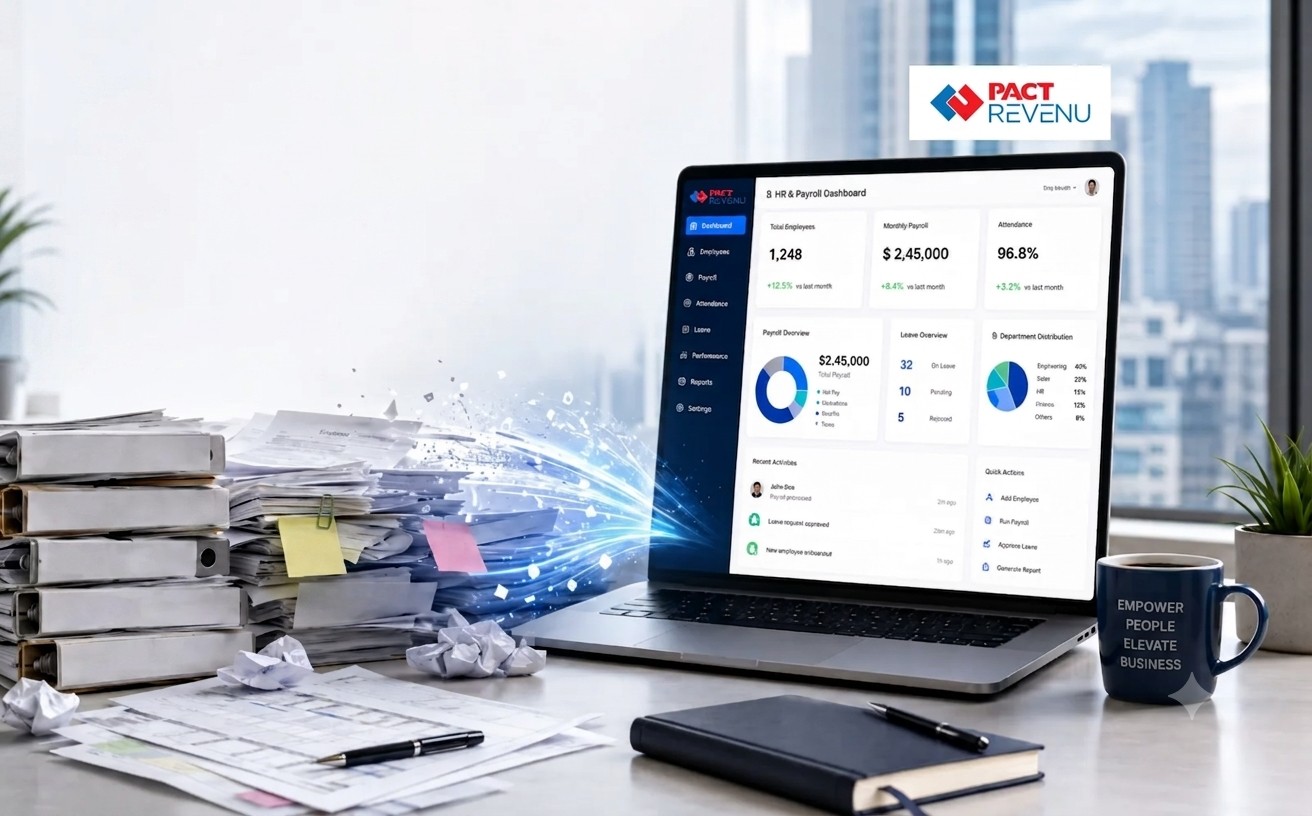
In 2026, scalability is a major concern for growing businesses, and manual payroll simply cannot keep up. Payroll software automates repetitive tasks such as salary calculations, deductions, and payslip generation, saving time and minimizing errors. This not only improves efficiency but also frees up HR teams to focus on more strategic activities.
Rise of Remote and Hybrid Work Models
The modern Indian workforce is no longer confined to a single office location. With the rise of remote and hybrid work models, businesses are managing employees across different cities and even countries. This shift has made payroll processing more complex, especially when it comes to attendance tracking, leave management, and salary calculations.
Payroll software addresses these challenges by integrating with attendance systems, mobile apps, and cloud-based platforms. This ensures that employee data is updated in real time, regardless of location. As a result, businesses can manage payroll seamlessly even in a distributed work environment.
Improved Accuracy and Employee Trust
Accuracy in payroll is crucial for maintaining employee trust and satisfaction. Even small errors in salary processing, tax deductions, or reimbursements can lead to dissatisfaction and increased employee queries. In a competitive job market, such issues can negatively impact employee retention.
By automating calculations and standardizing processes, payroll software significantly reduces the chances of errors. Employees receive accurate and timely salaries along with detailed payslips, which improves transparency. This is one of the key reasons why companies are exploring the best payroll software in India to ensure reliable payroll operations.
Integration with Modern Business Systems
In 2026, businesses prefer integrated solutions that connect different functions such as HR, payroll, and finance. Using separate systems for each process often leads to data silos and inefficiencies. Payroll software bridges this gap by offering seamless integration with HR management systems, accounting tools, and employee self-service portals.
This integration enables a smooth flow of information across departments, reducing manual data entry and improving overall productivity. It also provides businesses with better insights through centralized reporting and analytics, helping them make informed decisions.
Cost Efficiency and Long-Term Benefits
While some businesses may hesitate to invest in payroll software initially, the long-term benefits far outweigh the costs. Manual payroll processes often require additional manpower and are more prone to costly errors and compliance penalties. Over time, these hidden costs can add up significantly.
Payroll software offers a cost-effective alternative by streamlining operations and reducing dependency on manual work. It allows businesses to manage payroll efficiently without expanding their HR teams, making it an ideal solution for startups and growing companies.
Conclusion
The transition to payroll software in 2026 is not just a trend—it is a necessity for businesses that want to stay competitive and compliant in a rapidly evolving environment. From managing complex regulations to supporting modern work models, payroll software provides the tools needed to handle today’s challenges effectively.
As Indian businesses continue to grow and embrace digital transformation, adopting payroll software will play a crucial role in improving efficiency, accuracy, and employee satisfaction. Companies that make this shift early will be better positioned to scale their operations and achieve long-term success.