PCR Bottles Market Future Trends Shaping Sustainable Packaging Solutions
-

- Published Updated
- 88 views
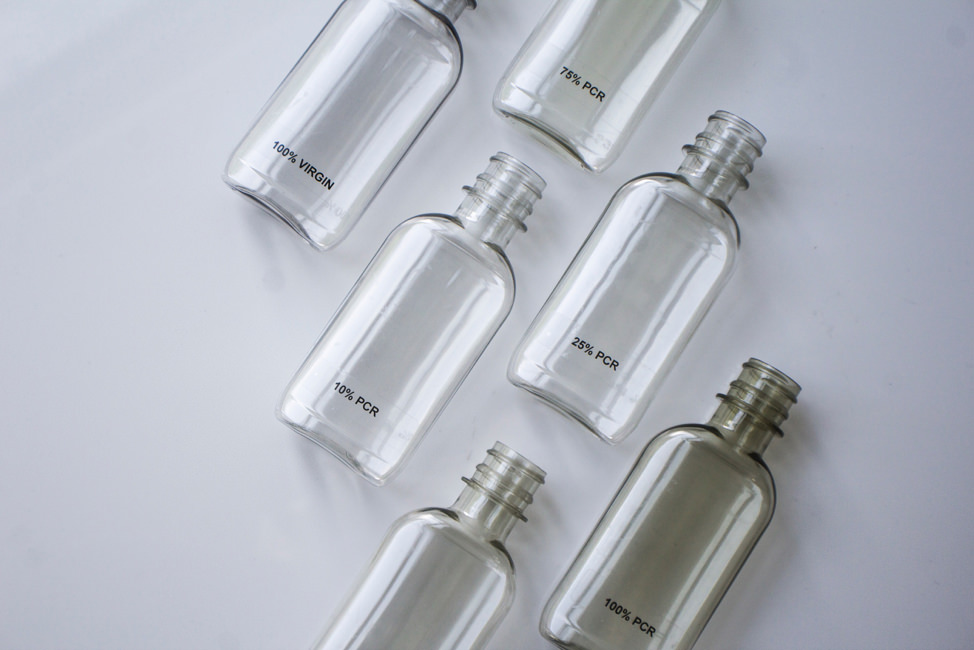
The growing emphasis on sustainability, resource efficiency, and responsible plastic consumption is reshaping the future of packaging across numerous industries. Post-consumer recycled (PCR) bottles are becoming an important option for companies seeking to reduce their dependence on virgin plastic while maintaining practical packaging performance. These bottles are manufactured using recycled plastic recovered from previously used consumer products, processed for reuse in new packaging applications.
The future trends influencing the pcr bottles market are closely connected to circular economy initiatives, advancements in recycling technologies, and changing expectations among consumers and businesses. From personal care and household products to food, beverages, and industrial liquids, manufacturers are exploring recycled packaging solutions that support environmental objectives without compromising quality, safety, or convenience.
As sustainability becomes a more prominent business priority, the industry is expected to focus increasingly on material innovation, recycling infrastructure, design improvements, and reliable access to high-quality recycled resin.
Increasing Adoption of Circular Packaging Models
One of the most significant future trends is the transition from traditional linear packaging systems toward circular models. Instead of manufacturing products from newly extracted raw materials and discarding packaging after use, circular systems emphasize collection, recycling, and the continued use of recovered materials.
PCR bottles support this transition by incorporating recycled plastics into new packaging. Manufacturers are expected to strengthen partnerships with recycling companies, waste management organizations, and packaging suppliers to establish more consistent material recovery systems.
Businesses may also redesign packaging formats to improve recyclability. Simplified bottle structures, compatible closures, and labels that can be separated more easily during recycling can help improve material recovery. These changes could make recycled packaging a more practical choice for companies operating at scale.
Advancements in Recycling and Material Processing
Technological improvements are expected to influence the quality and availability of recycled plastics. Traditional mechanical recycling remains an important method, while advances in sorting, washing, filtration, and contamination removal may help produce more consistent recycled resin.
Improved optical sorting systems can identify different plastic types and separate materials more efficiently. Better processing controls may also reduce unwanted colors, odors, and residual contaminants that can limit the suitability of recycled materials for certain applications.
Chemical recycling could provide additional options for processing selected plastic waste streams, although its commercial viability, energy requirements, environmental performance, and regulatory acceptance vary by technology and location.
These developments may broaden the range of applications suitable for PCR bottles. However, manufacturers will still need to evaluate recycled resin according to the strength, appearance, purity, and product compatibility requirements of each packaging application.
Greater Demand for High-Quality Recycled Content
Future growth is likely to depend not only on the volume of recycled plastic available but also on its quality and consistency. Packaging manufacturers require materials that can meet production specifications across multiple batches without causing excessive defects or interruptions.
Variations in recycled resin can affect bottle color, transparency, surface finish, processing behavior, and mechanical performance. Consequently, suppliers are expected to invest in improved quality control, traceability, and standardized testing procedures.
Reliable recycled content will be particularly important for brands that use consistent packaging designs across different product lines. Suppliers capable of providing documented material specifications and dependable delivery schedules may become more attractive partners.
As demand increases, the ability to balance recycled content with functional requirements will remain a central consideration in product development.
Expansion Across Personal Care and Household Products
Personal care and household packaging is likely to remain an important area for recycled bottle adoption. Shampoo, conditioner, body wash, liquid soap, detergents, and cleaning products often use plastic containers that can be redesigned to incorporate recycled material.
Brands may introduce packaging with higher recycled content, lighter bottle structures, and simpler designs that support material recovery. These efforts can also help companies communicate measurable packaging improvements to environmentally conscious customers.
Different product categories, however, have different technical requirements. A bottle intended for household cleaning products may need chemical resistance, while personal care packaging may place greater emphasis on appearance, dispensing convenience, and a premium finish.
Future product development will therefore require application-specific designs rather than a single recycled packaging format for every use.
Food and Beverage Applications Require Careful Development
Food and beverage packaging presents opportunities for recycled bottles, but it also involves more demanding safety and compliance requirements. Recycled materials used in direct food-contact applications must meet applicable regulatory standards and undergo appropriate evaluation.
Advanced recycling and decontamination processes may expand the range of suitable materials where regulators permit their use. Until then, manufacturers must distinguish between recycled packaging applications that are technically feasible and those requiring additional validation.
Non-food applications can provide alternative routes for recycled resin when material quality or regulatory restrictions prevent its use in certain sensitive products. This flexibility may help manufacturers increase recycled content while maintaining appropriate safety standards.
Lightweighting and Efficient Bottle Design
Another emerging trend is the combination of recycled content with lightweight packaging. Reducing the amount of plastic used per bottle can lower material requirements and may reduce transportation-related impacts, depending on manufacturing and distribution conditions.
Packaging engineers are expected to explore improved bottle geometry, stronger structural features, and manufacturing processes that preserve performance with less material. Such designs must withstand filling, storage, transportation, and everyday handling.
Lightweighting requires careful testing because excessive material reduction can cause deformation, leakage, or product damage. When combined with suitable recycled resin, however, well-designed bottles may support more efficient resource use.
Digital Traceability and Supply Chain Transparency
Digital systems are expected to play a greater role in tracking recycled materials from collection through processing and manufacturing. Batch-level documentation, supplier records, and digital reporting tools can help companies verify recycled content and improve supply chain visibility.
Greater transparency may also help brands respond to customer questions and demonstrate progress toward packaging commitments. Clear documentation can reduce the risk of unsupported environmental claims and make it easier to evaluate supplier performance.
For the pcr bottles market, traceability may become an important competitive factor as companies seek dependable evidence of material origin, recycled content, and compliance with relevant standards.
Challenges That May Influence Future Adoption
Despite promising developments, several challenges could affect the pace of adoption. Recycled plastic supplies can fluctuate because collection systems, sorting efficiency, contamination levels, and regional recycling capacity differ considerably.
High-quality recycled resin may also cost more than virgin plastic in some market conditions. This can complicate purchasing decisions for manufacturers operating with tight packaging budgets. In addition, recycled bottles may require adjustments to existing production equipment, color specifications, or quality assurance procedures.
Regulatory differences between countries add another layer of complexity, particularly for packaging intended for food, beverages, and other sensitive products. Companies will need to consider these issues when planning product launches and sourcing strategies.
Investment in collection infrastructure, stronger supplier relationships, material testing, and clear regulatory guidance could help address these barriers over time.
Conclusion
The future of PCR bottle packaging will be shaped by circular economy practices, improved recycling technologies, consistent material quality, lightweight designs, and stronger supply chain transparency. Adoption is likely to develop differently across applications because safety requirements, performance expectations, costs, and recycling infrastructure vary by region and product category.
Companies that combine responsible material sourcing with practical packaging design and reliable quality controls may be better positioned to respond to evolving customer expectations. Continued collaboration among recyclers, resin producers, packaging manufacturers, brands, and regulators will be essential to expanding the effective use of recycled plastics.
Ultimately, the long-term direction of the industry will depend on its ability to turn recovered plastic into dependable packaging while demonstrating credible environmental benefits throughout the product lifecycle.