What Are the Benefits of Pediatric Orthodontic Care?
-

- Published Updated
- 36 views
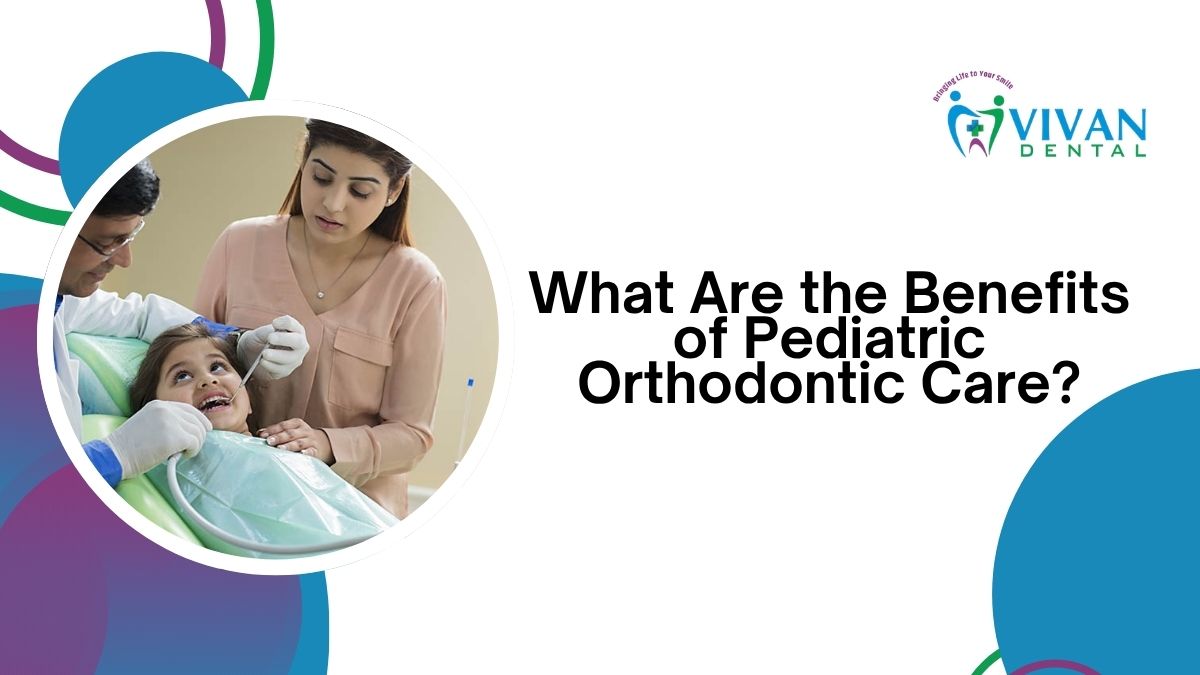
Children’s teeth and jaws continue to develop throughout childhood, which makes early dental monitoring an important part of maintaining good oral health. Pediatric orthodontic care focuses on identifying and managing dental alignment, bite, jaw, and tooth-development concerns while a child is still growing. Early attention can help parents understand whether a child needs orthodontic evaluation, preventive care, or treatment.
But what exactly are the benefits of pediatric orthodontic care? From improving tooth alignment to supporting better oral hygiene, timely orthodontic attention can play an important role in a child’s developing smile.
What Is Pediatric Orthodontic Care?
Pediatric orthodonticPediatric orthodontic care is specialized dental care designed to monitor and address problems involving the position of teeth, jaw development, and bite alignment in children. It may include regular assessments, preventive guidance, orthodontic appliances, or treatment when appropriate.
Children can develop issues such as crowded teeth, gaps, crossbite, overbite, underbite, or irregular tooth eruption. Some problems may become easier to manage when identified during the growth and development stage.
An orthodontic evaluation does not necessarily mean that a child immediately needs braces. Instead, it allows a dental professional to assess development and determine whether observation, preventive care, or treatment may be appropriate.
What Are the Main Benefits of Pediatric Orthodontic Care?
1. Helps Identify Dental Problems Early
One of the key benefits of pediatric orthodontic care is early identification of developing dental concerns. A child may have an orthodontic issue even when it is not obvious to parents.
Regular evaluations can help identify problems related to tooth positioning, jaw growth, bite development, and spacing. Detecting these concerns early can help parents understand available treatment options and the appropriate timing for professional care.
2. Supports Proper Tooth Alignment
Properly aligned teeth are easier to clean and can contribute to a more functional bite. Pediatric orthodontic treatment may help guide teeth into healthier positions when clinically appropriate.
For children with crowded or rotated teeth, an orthodontic professional can evaluate how the teeth are developing and determine whether intervention may be useful.
3. Improves Oral Hygiene
Crowded or overlapping teeth can sometimes make brushing and flossing more difficult. Areas that are difficult to clean may allow plaque to accumulate.
Improving tooth alignment when treatment is recommended can make daily oral hygiene easier. Along with regular brushing, flossing, fluoride use when advised, and dental checkups, orthodontic care can support better long-term oral hygiene habits.
4. Addresses Bite Problems
A healthy bite involves the upper and lower teeth coming together in a functional way. Children can develop different bite concerns, including overbite, underbite, open bite, or crossbite.
A pediatric orthodontic assessment can identify these concerns and evaluate how they relate to tooth and jaw development. Depending on the child’s age and specific condition, the orthodontist may recommend monitoring or an appropriate treatment approach.
5. Monitors Jaw and Facial Development
Children experience significant changes in jaw and facial development as they grow. Orthodontic evaluations can provide an opportunity to monitor these changes.
In some cases, identifying developmental concerns during growth may help an orthodontist determine the most suitable timing for treatment. The exact approach depends on the child's dental development and individual needs.
6. May Help Prevent More Complicated Problems
Early orthodontic evaluation can help identify conditions that may require attention later. While early treatment is not necessary for every child, monitoring can help determine whether a developing problem is changing over time.
For some children, timely intervention may simplify future orthodontic management. For others, the best approach may simply be regular observation until the appropriate stage of development.
7. Supports Better Chewing Function
Teeth and jaws work together during chewing. Significant tooth misalignment or bite problems can sometimes affect how comfortably and efficiently a child bites and chews food.
Orthodontic care focuses not only on appearance but also on dental function. Correcting certain alignment or bite concerns may help support a more balanced relationship between the teeth and jaws.
8. Can Improve Smile Appearance
A well-aligned smile can positively influence a child's confidence. Orthodontic treatment may help address concerns such as spacing, crowding, and irregular tooth positions.
However, the primary focus should remain on healthy development and proper dental function rather than appearance alone. An orthodontist can explain whether treatment is appropriate based on the child’s individual condition.
When Should a Child See an Orthodontist?
Parents do not always need to wait until all permanent teeth have erupted before seeking orthodontic advice. An orthodontic evaluation may be useful when there are noticeable concerns about tooth alignment, jaw development, or bite.
Some signs that may warrant an evaluation include:
Crowded or overlapping teeth
Teeth that appear unusually spaced
Difficulty biting or chewing
Upper and lower teeth not meeting properly
Frequent mouth breathing
Jaw shifting when opening or closing the mouth
Early or late loss of baby teeth
Teeth erupting in unusual positions
Difficulty keeping certain teeth clean
These signs do not automatically mean that orthodontic treatment is required. A professional assessment is necessary to understand the cause and determine the next step.
How Does Pediatric Dentistry Support Orthodontic Health?
Pediatric dentistry focuses on children's overall oral health, including preventive care, dental development, cavity prevention, and maintaining healthy primary and permanent teeth.
When parents search for pediatric dentistry in Vaishali Nagar, they may be looking for comprehensive dental care that addresses both current oral health and the child's developing smile.
Routine pediatric dental visits can help monitor tooth eruption, detect cavities, provide preventive guidance, and identify situations where an orthodontic evaluation may be beneficial. Maintaining healthy baby teeth is also important because they can influence chewing, speech, and the spacing available for permanent teeth.
Pediatric dental care and orthodontic care therefore have complementary roles. A child's dentist can monitor overall oral health, while an orthodontist focuses more specifically on tooth alignment, bite, and jaw relationships.
What Should Parents Look for in Pediatric Orthodontic Care?
Choosing an orthodontic provider for a child involves more than looking at treatment options. Parents may consider factors such as:
Experience with children's orthodontic concerns
A child-friendly clinical environment
Clear communication with parents
Comprehensive dental and orthodontic evaluation
Personalized treatment planning
Appropriate use of orthodontic technology
Follow-up and monitoring during treatment
Parents searching for the best pediatric orthodontist in Vaishali Nagarbest pediatric orthodontist in Vaishali Nagar should focus on finding a qualified professional who evaluates the child's individual dental development and explains treatment options clearly.
The word “best” can mean different things for different families, so parents should consider professional qualifications, treatment approach, communication, convenience, and the specific needs of their child.
Is Orthodontic Treatment Necessary for Every Child?
No. Not every child requires orthodontic treatment.
Some children have naturally well-aligned teeth and healthy bite development. Others may have minor alignment concerns that can simply be monitored as they grow. Treatment decisions depend on factors such as age, dental development, jaw growth, tooth position, and the severity of the concern.
An orthodontist can determine whether immediate treatment, future treatment, or periodic observation is appropriate.
How Can Parents Support Their Child’s Orthodontic Health?
Parents can support healthy dental development through simple everyday habits:
Encourage brushing twice a day with fluoride toothpaste as recommended.
Help younger children brush effectively.
Encourage appropriate flossing or interdental cleaning.
Schedule regular dental examinations.
Limit frequent sugary snacks and drinks.
Encourage children to follow professional orthodontic instructions.
Monitor habits such as prolonged thumb sucking when relevant.
Seek professional advice when unusual tooth development is noticed.
Good oral hygiene remains important before, during, and after orthodontic treatment.
Conclusion
Pediatric orthodontic care can provide several benefits, including early identification of dental concerns, improved tooth alignment, better bite function, easier oral hygiene, and monitoring of jaw development. Early evaluation can also help parents understand whether a child needs treatment or simply regular observation.
Alongside orthodontic care, maintaining routine pediatric dentalpediatric dental visits is essential for preventing cavities and supporting healthy dental development. Whether a child needs orthodontic treatment depends on their individual growth and dental needs.
For parents considering children's dental care, a professional evaluation is the best way to understand the condition of the teeth and jaws and determine the most appropriate next step.
Frequently Asked Questions About Pediatric Orthodontic Care
At what age should a child have an orthodontic evaluation?
The appropriate age depends on the child's dental development and individual concerns. An early evaluation can help determine whether monitoring or treatment may be appropriate.
Does every child need braces?
No. Braces are recommended only when an orthodontic professional identifies a condition that may benefit from orthodontic treatment.
Can orthodontic care improve crowded teeth?
Orthodontic treatment can address certain types of dental crowding. The suitable approach depends on the child's tooth position, jaw development, and available space.
Is pediatric dentistry different from orthodontics?
Yes. Pediatric dentistry focuses broadly on children's oral health, while orthodontics primarily addresses tooth alignment, bite relationships, and jaw development.
Why is early orthodontic evaluation useful?
An early evaluation can help identify developing concerns and determine the appropriate timing of treatment or monitoring. It does not necessarily mean that treatment needs to begin immediately.