The Complete Guide to Pet Vaccination Services for First-Time Pet Owners
-

- Published Updated
- 8,806 views
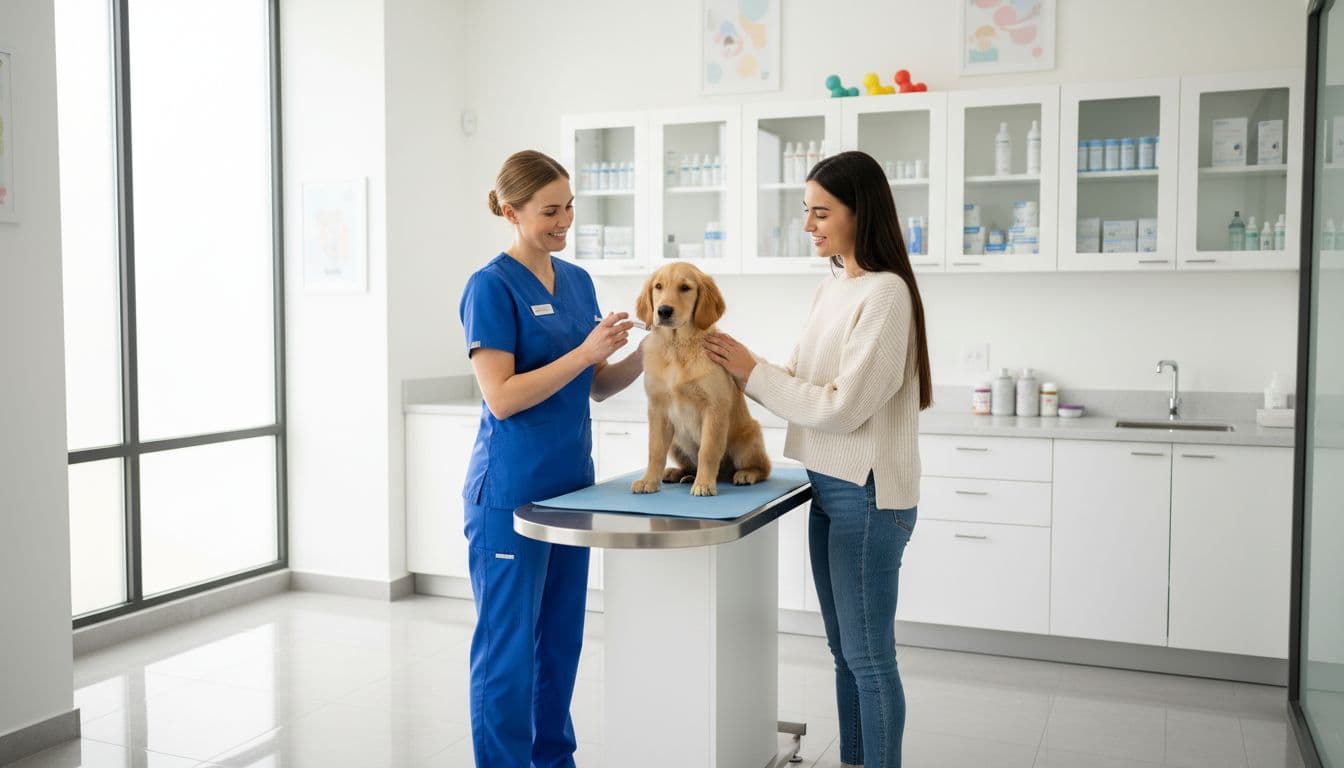
Bringing home a new pet is exciting, but it also comes with a lot of responsibility. One of the first and most important steps is making sure your pet gets the right vaccines on time. Vaccines help protect pets from serious, sometimes deadly diseases. They also help protect other animals, and in some cases, people too.
If this is your first pet, the process can feel confusing at first. You may wonder which shots are needed, when to start, how often boosters are given, and what to expect during the visit. The good news is that pet vaccination care is simple once you understand the basics.
Why pet vaccines matter
Vaccines train your pet’s immune system to fight off certain diseases. Instead of waiting until your pet gets sick, vaccines help prepare the body ahead of time.
For dogs and cats, vaccines can protect against diseases like parvo, distemper, rabies, panleukopenia, and feline leukemia. Some of these illnesses spread very easily. Others can cause long-term health problems or even death.
Vaccines are especially important for young pets. Puppies and kittens are born with some protection from their mother, but that protection fades over time. That is why they need a vaccine schedule started early and followed closely.
Core vaccines vs. lifestyle vaccines
Not every pet needs the same vaccines. Your veterinarian will recommend a plan based on age, health, risk level, and daily routine.
Core vaccines are the ones most pets need because the diseases they protect against are widespread or very serious. For dogs, these often include distemper, parvovirus, adenovirus, and rabies. For cats, core vaccines often include feline viral rhinotracheitis, calicivirus, panleukopenia, and rabies.
Lifestyle vaccines depend on your pet’s environment. For example, a dog that goes to daycare, the groomer, dog parks, or boarding may need extra protection like Bordetella or leptospirosis. A cat that goes outside or lives with other cats may need additional vaccines too.
A veterinarian will help you decide what is necessary and what is not. That is one reason it helps to work with a trusted clinic that offers Pet Vaccination Services.
When should first-time pet owners start?
The answer depends on whether you have a puppy, kitten, adult dog, or adult cat.
Puppies
Puppies usually start vaccines around 6 to 8 weeks old. They then receive a series of shots every few weeks until they are about 16 weeks old or older. This series matters because early immunity fades as the puppy grows.
Kittens
Kittens also begin vaccines around 6 to 8 weeks old, followed by booster visits every few weeks until the initial series is complete.
Adult pets with no vaccine history
If you adopt an older pet and do not have vaccine records, your veterinarian may treat them like a new patient and restart or update their vaccine schedule.
Adult pets with records
If your pet already has records, the veterinarian can review them and decide what boosters are due.
What happens during a vaccine appointment?
A vaccine visit is usually quick, but it includes more than just the shot. Your vet may begin with a basic exam to check your pet’s temperature, weight, heart, lungs, and overall condition.
This is helpful because a pet should be healthy before getting vaccinated. If your pet seems unwell, the vet may delay certain vaccines until the pet is ready.
During the appointment, the veterinarian or vet staff will give the vaccines by injection or, in some cases, by another approved method. After that, they may explain what symptoms to watch for and when the next visit should happen.
Most pets do very well after vaccination. Some may be sleepy or have mild soreness at the injection site for a day or two. That is usually normal.
Common questions first-time pet owners ask
Are vaccines safe?
Yes, vaccines are widely used and are an important part of preventive care. Like any medical treatment, they can sometimes cause mild side effects. Serious reactions are rare, but your vet will tell you what to watch for.
How many visits will my pet need?
Young pets usually need several visits to complete their first vaccine series. Adult pets may need fewer visits, depending on their records and health history.
Do indoor pets need vaccines?
Yes, in many cases they do. Even indoor pets can be exposed to disease through open doors, windows, other animals, or trips outside the home. Rabies, for example, is often required by law.
Can my pet get too many vaccines?
Your vet will help avoid unnecessary shots. The goal is to give the right vaccines at the right time, based on your pet’s needs.
What if my pet is nervous at the vet?
That is very common. Many first-time pet owners have pets that feel anxious at appointments. Bring treats, stay calm, and ask the clinic for tips. A gentle, experienced team can make the visit much easier.
How to prepare for the appointment
You do not need to do much, but a little preparation helps.
Bring any records you have, including adoption papers or past vet records. Write down your pet’s age, diet, behavior, and any symptoms you have noticed. If your pet has allergies or has reacted to medicine before, mention that too.
It also helps to keep your pet calm before the appointment. Use a carrier for cats, and a leash for dogs. If your pet gets carsick or stressed during travel, tell the clinic ahead of time.
What to expect after vaccination
Most pets go back to normal very quickly. Still, you should watch them for a short time after the appointment.
Mild tiredness, reduced appetite, or slight swelling at the injection site can happen. These effects usually go away within a day or two. Call your vet if your pet has trouble breathing, repeated vomiting, facial swelling, severe pain, or collapse. Those signs are not common, but they need immediate attention.
Your vet may also give you a schedule for the next booster or follow-up exam. Keep that schedule somewhere easy to find. Staying on track is one of the best ways to protect your pet long term.
Why local veterinary care matters
A local clinic is more than just a place to get shots. It gives your pet a medical home. That means there is a place that knows your pet’s history, vaccine needs, and health concerns.
The best clinics will not rush you. They will answer your questions, explain each vaccine clearly, and help you make smart choices based on your pet’s life at home and outside the home.
For first-time pet owners, that kind of support is valuable. It turns vaccine care into a simple routine instead of a stressful task.
Final thoughts
Pet vaccines are one of the easiest ways to protect your dog or cat from serious disease. If you are a first-time pet owner, the key is to start early, follow the schedule, and work with a veterinarian you trust.
Once you understand the basics, the process becomes much easier. A good vet clinic will guide you step by step, so your pet can grow up healthy, safe, and protected.
If you are ready to get started, learn more at Jurupa Hills Animal Hospital.