PGDM Course After Graduation: Eligibility, Specializations, Fees, and Careers
-

- September 11th, 2026
- 1,806 views


FREE SEO Topical Map Generator: Find Your Next Content Ideas
Introduction
After graduation, many students look for management programs that can help them develop practical skills, improve their career prospects, and prepare for professional roles. A PGDM course after graduation is an excellent option for students who want to build expertise in areas such as marketing, finance, human resources, business analytics, international business, digital business, and rural management.
Students looking for PGDM colleges in Rajasthan should not make their decision based solely on a college's name or ranking. Factors such as eligibility requirements, admission process, specializations, curriculum, fees, internships, industry exposure, placement support, and recruiters should also be considered.
Jaipur, in particular, has developed into an important education destination for students interested in management studies. For students planning to pursue a PGDM after graduation, understanding the course structure, eligibility, specializations, fees, placements, and career opportunities can make the decision-making process easier.
What Is a PGDM Course After Graduation?
The Post Graduate Diploma in Management (PGDM) is a postgraduate management program designed to develop students' business knowledge, analytical abilities, leadership skills, and decision-making capabilities.
Unlike many traditional academic programs, a PGDM generally focuses on practical and industry-oriented learning. Depending on the institute, the curriculum may include classroom teaching, case studies, projects, presentations, internships, workshops, and industry interactions.
Students may be able to choose specializations or focus areas such as:
Marketing Management
Finance Management
Human Resource Management
Business Analytics
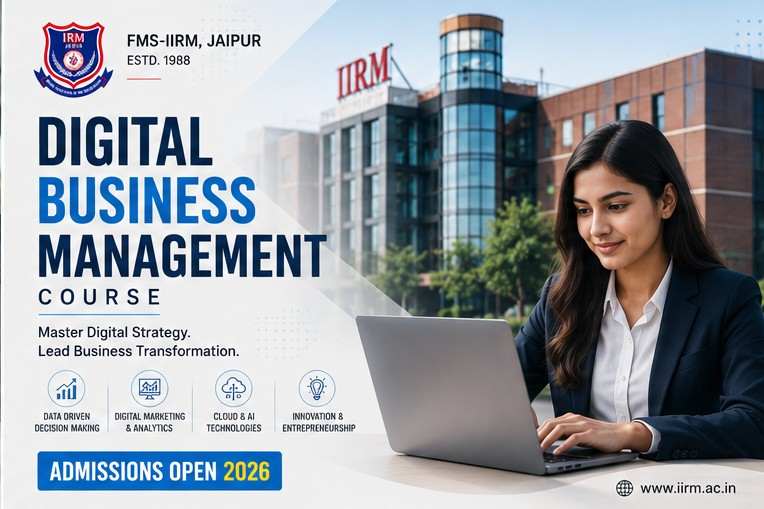
Digital Business Management
International Business
Rural Management
Agribusiness Management
For graduates who want to enter the management field but prefer an industry-oriented program, a PGDM can be a focused and practical choice.
What Is the Eligibility for PGDM After Graduation?
PGDM eligibility requirements can vary from one institution to another. Therefore, students should carefully check the admission criteria of the college they are interested in.
For example, FMS-IRM Jaipur states that applicants for its PGDM and PGDM-RM programs must hold a bachelor's degree in any discipline with at least 50% aggregate marks. Final-year students may also be eligible to apply provisionally, subject to the institute's admission requirements.
The institute also considers scores from management entrance examinations such as MAT, CMAT, CAT, and ATMA as part of its admission process.
This means graduates from different academic backgrounds may be eligible for PGDM programs, provided they meet the specific requirements of the institution.
Which Specializations Can Students Choose in PGDM?
One of the major advantages of a PGDM program is the range of specializations and career-focused areas available to students.
PGDM in Marketing
PGDM in Marketing is suitable for students interested in branding, sales, digital marketing, customer behaviour, market research, advertising, and business development. It can prepare graduates for roles across marketing, sales, brand management, and digital marketing.
PGDM in Finance
PGDM in Finance focuses on financial management, investment strategies, risk management, accounting, banking, and financial decision-making. It can be useful for students interested in banking, financial services, investment, and corporate finance.
PGDM in Human Resource Management
Human Resource Management focuses on recruitment, employee development, performance management, organizational behaviour, employee engagement, and workplace strategies. Graduates can explore careers in HR management, recruitment, talent acquisition, and employee relations.
PGDM in Business Analytics
Business Analytics combines management knowledge with data-driven decision-making. Students learn about data interpretation, business intelligence, analytical techniques, and strategic decision-making. This specialization can be valuable for careers involving business analysis and data-driven management.
PGDM in Digital Business Management
Digital Business Management focuses on digital transformation, e-commerce, digital strategy, business analytics, and technology-enabled business models. It is suitable for students who want to understand how technology is changing modern businesses.
PGDM in Rural Management
Rural Management is suitable for students interested in rural markets, agribusiness, rural finance, rural development, and social enterprises.
At IIRM, the official program information includes PGDM specializations and focus areas such as Business Analytics, Marketing, Finance, Human Resource Management, International Business Management, and Digital Business Management. The PGDM-RM program covers areas such as Agribusiness Management, Rural Finance, Rural Marketing, and Digital Business Management.
How Much Does a PGDM Course Cost?
PGDM fees can vary significantly between institutions depending on the program, facilities, academic structure, infrastructure, and other factors.
Students comparing PGDM colleges in Rajasthan should consider the complete cost of the program rather than relying only on figures published on third-party websites.
For example, FMS-IRM currently lists the total program fee at ₹9.50 lakh for its PGDM and PGDM-RM programs, spread across four terms. The institute also provides scholarship opportunities for eligible students.
In addition to tuition fees, students should consider accommodation, transportation, study materials, living expenses, and other applicable costs when calculating the total investment in their education.
What Is PGDM Placement?
PGDM placement is the process through which management institutes facilitate interaction between students and prospective employers. Placement activities may include campus recruitment, aptitude tests, case studies, interviews, pre-placement training, internships, and career guidance.
However, placement outcomes can vary from one institution to another and from one batch to another. Therefore, students should look beyond salary figures and consider factors such as:
Quality and number of recruiters
Roles offered to students
Average and median salaries
Internship opportunities
Industry sectors
Alumni career progression
Placement process
Career development support
FMS-IRM, for example, reports having more than 250 recruitment agencies across different industries, including finance, consultancy, technology, FMCG, healthcare, and manufacturing.
Who Are the PGDM Recruiters in Jaipur?
PGDM recruiters in Jaipur come from a wide range of sectors, including banking, FMCG, insurance, engineering, consulting, technology, manufacturing, retail, and financial services.
Recruitment opportunities can vary depending on the institution, specialization, student profile, and industry requirements. For example, students specializing in finance may target different organizations and job roles compared with students specializing in business analytics or marketing.
IIRM's official recruiter information includes organizations such as MRF, Amul, Berger Paints, and IDBI Bank, while its broader recruiter network covers multiple industries.
Students should always verify the latest recruiter list and placement reports directly with the institution before making an admission decision.
What Careers Can You Pursue After PGDM?
A PGDM can provide access to career opportunities across different business sectors, depending on a student's specialization, skills, internships, and previous experience.
Some potential career paths include:
Marketing and Sales
Financial Services
Human Resources
Business Analytics
Business Development
Digital Marketing
Product Management
Operations
Consulting
Banking and Insurance
Supply Chain Management
Rural Management
Agribusiness
Entrepreneurship
A PGDM does not guarantee a particular job role or salary. Career growth depends on factors such as skills, specialization, industry, work experience, performance, and the ability to adapt to changing business requirements.
How Should You Choose Among PGDM Colleges in Rajasthan?
When comparing PGDM colleges in Rajasthan, students should evaluate their personal career goals instead of selecting an institute solely because it appears on a "top colleges" list.
Consider the following factors:
Eligibility and Admission Requirements: Check the academic qualifications, entrance examination requirements, and admission process.
Curriculum: Look for subjects and learning opportunities that align with your career goals.
Specializations: Make sure the college offers the specialization or focus area you want to pursue.
Industry Exposure: Check for internships, live projects, workshops, and corporate interactions.
Faculty: Consider the academic qualifications and industry experience of the faculty members.
Placement Support: Review recruiters, job roles, placement reports, and career support services.
Fees and Scholarships: Compare the total cost of education and available scholarship opportunities.
Alumni Network: Explore the career paths and professional backgrounds of alumni.
Location and Living Costs: Consider accessibility, accommodation, transportation, and the overall cost of living.
Practical Learning: Look for case studies, projects, experiential learning, and opportunities to apply classroom knowledge.
Why Consider IIRM for PGDM in Jaipur?
Students exploring management education in Jaipur can consider IIRM's PGDM and PGDM-RM programs, which cover a range of management and career-focused areas.
The institute's program information describes a two-year PGDM structure that combines classroom learning with internships and industry exposure. Its current program offerings include areas such as Business Analytics, Marketing, Finance, Human Resource Management, International Business, and Digital Business Management, along with rural-management-focused options.
For students interested in careers related to agriculture, rural markets, rural finance, rural marketing, agribusiness, or digitally enabled rural businesses, a rural-management-focused PGDM can provide relevant exposure.
Students should compare IIRM with other PGDM colleges in Rajasthan based on their individual career goals, preferred specialization, fees, curriculum, industry exposure, and placement support before making a final decision.
Conclusion
Pursuing a PGDM after graduation can be a practical pathway for students who want to build management knowledge and specialise in a particular business area. However, selecting the right institution requires careful research.
Students comparing PGDM Colleges in Rajasthan should evaluate eligibility, PGDM Courses, specialisations, fees, internships, industry exposure, PGDM placement, and PGDM Recruiters in Jaipur before making a decision.
The right PGDM programme is ultimately one that matches your academic background, career goals, preferred specialisation, and budget while providing opportunities to develop practical management skills.
Frequently Asked Questions
1. Can I pursue a PGDM after graduation?
Yes. Graduates from various academic backgrounds can pursue PGDM programs, provided they meet the eligibility and admission requirements of the respective institution.
2. What are the eligibility requirements for a PGDM?
Eligibility criteria vary by college. For example, FMS-IRM requires applicants to have a bachelor's degree in any discipline with at least 50% aggregate marks for its PGDM programs.
3. What are the most popular PGDM specializations?
Popular PGDM specializations include Marketing, Finance, Human Resource Management, Business Analytics, Digital Business Management, International Business, Rural Management, and Agribusiness Management.
4. How much does a PGDM course cost in Rajasthan?
PGDM fees vary from one institution to another. Students should check the latest tuition fees, scholarship policies, hostel charges, and other applicable expenses before applying.
5. What does PGDM placement mean?
PGDM placement refers to the process through which an institute facilitates employment opportunities for students by connecting them with recruiters. It may include campus interviews, aptitude tests, case studies, internships, career counselling, and pre-placement training.