Plastic Surgery in Riyadh: A Practical Guide to Safe Transformations
-

- February 23rd, 2026
- 1,208 views

FREE SEO Topical Map Generator: Find Your Next Content Ideas
Detected intent: Informational
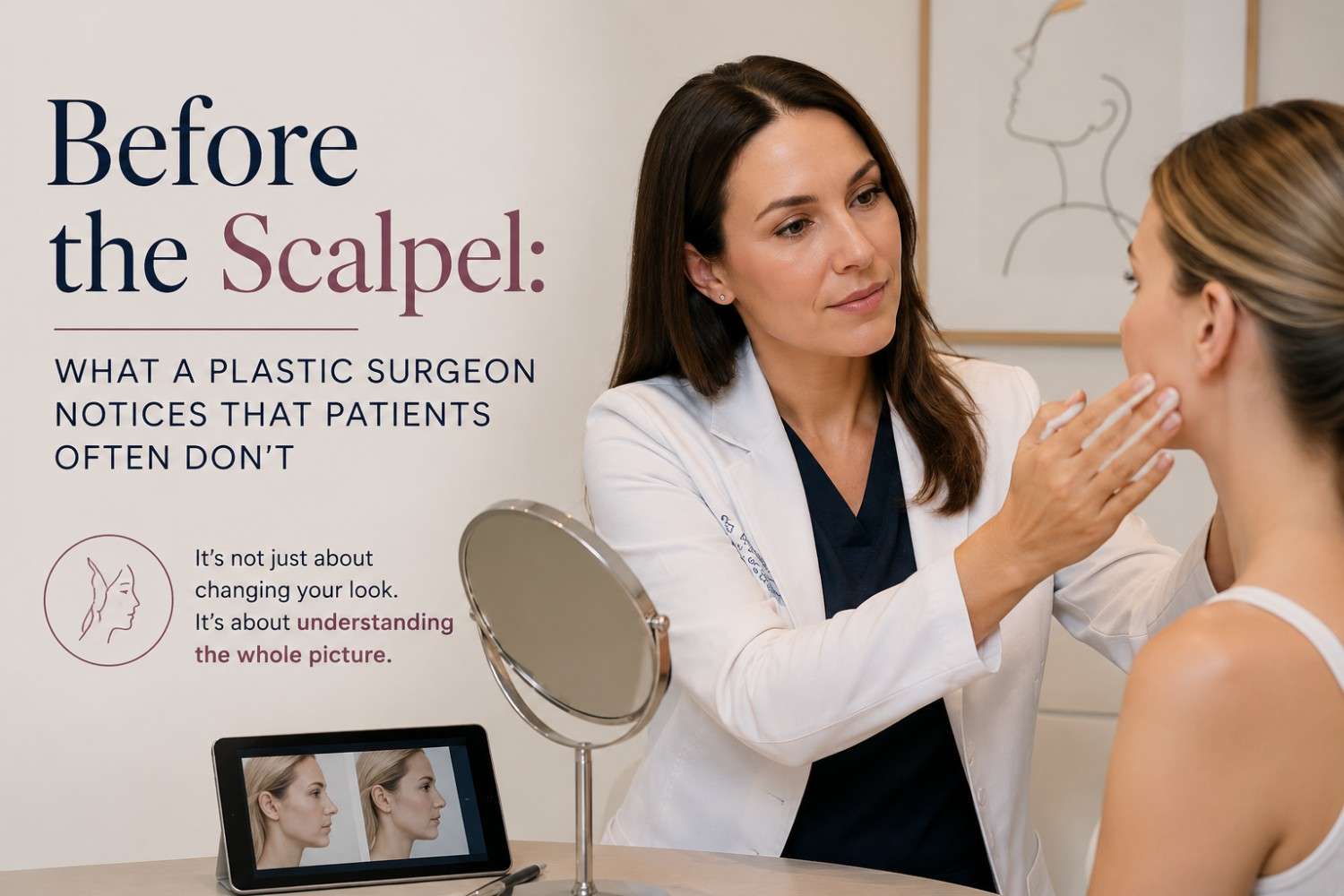
The decision to pursue plastic surgery in Riyadh involves clinical, regulatory, and personal considerations. This guide explains the local landscape, how to choose qualified providers, what to expect during recovery, and practical steps to reduce risk and align results with realistic goals.
Understanding plastic surgery in Riyadh
Plastic surgery in Riyadh includes cosmetic and reconstructive procedures such as rhinoplasty, breast augmentation, liposuction, and scar revision. Clinics vary from hospital-based departments to private cosmetic centers. Confirming board certification and facility accreditation is essential—Saudi Commission for Health Specialties (SCFHS) credentials and hospital accreditation are key local indicators of professional standards.
How to evaluate Riyadh cosmetic surgery clinics and surgeons
Choose providers who offer transparent consultations, a documented consent process, clear before-and-after photos, and detailed postoperative plans. Verify surgeon qualifications, ask about operating-room accreditation, and request complication and revision statistics when available.
Key verification steps
- Confirm surgeon board certification and SCFHS registration.
- Visit the facility or request a virtual walkthrough showing operating rooms and recovery areas.
- Ask for peer-reviewed publications or professional society memberships.
Costs, financing, and expectations for plastic surgery cost in Riyadh
Costs in Riyadh depend on procedure complexity, facility level, anesthesia, and postoperative care. Obtain itemized quotes that separate surgeon fees, facility fees, anesthesia, implants (if any), and follow-up visits. Consider budgeting for potential revision surgery and extended recovery if complications occur.
R.E.S.T.O.R.E. Decision Checklist (named framework)
Use the R.E.S.T.O.R.E. checklist before committing to surgery:
- Review credentials — verify surgeon and facility credentials with SCFHS.
- Expectations — set measurable, realistic goals with the surgeon.
- Safety plan — check emergency protocols and anesthesia arrangements.
- Timeline — confirm pre-op tests, surgery date, and recovery timeline.
- Options — understand non-surgical alternatives and staged approaches.
- Risks — get written risks and complication rates.
- Ensure follow-up — schedule post-op visits and have a contact for concerns.
Postoperative care: postoperative care after plastic surgery
Follow the surgeon's recovery protocol for wound care, activity restrictions, and signs of complications. Typical postoperative elements include pain control, infection prevention, compression garments, and follow-up imaging or clinic visits. Nutrition, hydration, and avoiding smoking significantly improve healing.
Practical tips
- Bring an itemized quote and written care plan to every consultation to compare clinics objectively.
- Arrange a support person for the first 48–72 hours after major procedures and confirm transportation plans home.
- Photograph healing progress consistently (same light and angles) to track recovery and help clinicians assess problems remotely.
- Keep emergency and clinic contact numbers in a single accessible place and confirm 24/7 post-op support availability.
Real-world example: a patient scenario
A 34-year-old patient seeking rhinoplasty consulted three clinics in Riyadh. Using the R.E.S.T.O.R.E. checklist, the patient verified SCFHS registration, compared before-and-after photos for consistency, requested an itemized cost breakdown, and scheduled a pre-op medical clearance. Postoperatively, the patient followed the clinic’s wound-care plan and attended all follow-ups, resolving a minor infection with early antibiotic treatment thanks to prompt contact with the surgical team.
Trade-offs and common mistakes
Trade-offs often involve cost versus facility level and speed versus safety. Choosing a lower-cost option at an uncertified center can raise complication risk. Common mistakes include:
- Relying solely on promotional photos instead of verified case logs.
- Skipping preoperative medical clearance or omitting honest medical history disclosures.
- Underestimating recovery time and returning to work or strenuous activity too soon.
How regulation and standards matter
Look for facilities that follow international perioperative safety standards and inquire about infection-control policies, anesthesia monitoring, and staff training. For general best-practice principles in safe surgical care, consult guidance from established professional organizations such as the American Society of Plastic Surgeons, which outlines patient-safety recommendations and informed consent practices.
Core cluster questions
- What qualifications should a plastic surgeon in Riyadh have?
- How much does a typical cosmetic procedure cost in Riyadh?
- What are realistic recovery timelines for common procedures like rhinoplasty and liposuction?
- How are surgical complications handled at accredited Riyadh clinics?
- What non-surgical alternatives can achieve similar aesthetic goals?
Is plastic surgery in Riyadh safe?
Safety depends on provider qualifications, facility accreditation, and adherence to perioperative standards. Choosing board-certified surgeons and accredited hospitals or clinics significantly reduces risks. Ensure informed consent and a clear emergency plan are in place.
How much does plastic surgery in Riyadh typically cost?
Costs vary widely by procedure and facility. Request itemized estimates that include surgeon fees, anesthesia, facility charges, implants, and follow-up care. Consider setting aside an extra 10–20% for unforeseen costs or revisions.
How long is recovery after a cosmetic procedure in Riyadh?
Recovery depends on procedure type: minor outpatient procedures may allow a return to light activity within days, while major surgeries like full abdominoplasty can require several weeks to months for full recovery. Follow the surgeon’s postoperative protocol closely.
What are common mistakes to avoid when choosing a clinic?
Avoid choosing solely on price, not verifying credentials, and skipping preoperative medical checks. Demand transparent communication and written plans for follow-up care.
How long should one wait before scheduling elective plastic surgery?
Allow time to research surgeons, complete medical evaluations, stabilize chronic health conditions, and set realistic timelines for healing and work leave. A cooling-off period of several weeks between consultation and surgery helps ensure well-considered decisions.