Plan and Build a Beautiful Pool Deck: Materials, Design, and Costs
-
- February 23rd, 2026
- 1,119 views

👉 Best IPTV Services 2026 – 10,000+ Channels, 4K Quality – Start Free Trial Now
Pool Deck Building: Key Concepts and First Steps
Pool deck building begins with clear planning that balances design, safety, and site conditions. Proper planning considers decking materials, drainage, local building codes, slip resistance, and long-term maintenance needs to create a durable and attractive outdoor space.
- Define use, style, and budget before choosing materials.
- Common materials include concrete, pavers, natural stone, wood, and composite decking.
- Site preparation, drainage, and local permits are critical to durability and safety.
- Follow building codes and safety guidelines; check with the local building department.
Planning and design considerations
Good planning starts with purpose: consider how the pool deck will be used (lounging, entertaining, heavy foot traffic), the local climate (freeze-thaw cycles, UV exposure), and how the deck will connect to existing landscaping or structures. Circulation paths, furniture placement, and pool safety zones should be incorporated into a scaled plan that includes measurements and elevations.
Site assessment
Identify slope, soil type, drainage patterns, and the location of utilities. Slopes toward the pool require careful mitigation to avoid runoff; flat sites may need graded subbases to encourage drainage away from structures. A soil compaction test or consultation with a geotechnical professional can clarify needs for subbase and load-bearing design.
Design choices and microclimate
Material color and texture affect surface temperature; lighter tones reflect heat while textured finishes improve traction. Consider shade structures, plantings, and wind exposure when selecting materials and layout to ensure user comfort year-round.
Materials and construction methods
Selecting the right material is central to long-term performance. Options vary in cost, maintenance, slip resistance, and lifespan.
Concrete and decorative concrete
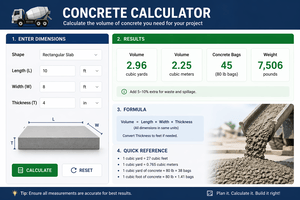
Cast-in-place concrete and stamped or colored concrete offer durability and design flexibility. Proper control joints, reinforcement, subbase preparation, and curing practices are essential to reduce cracking. Expansion joints and a well-drained base minimize movement from thermal change and frost.
Pavers and natural stone
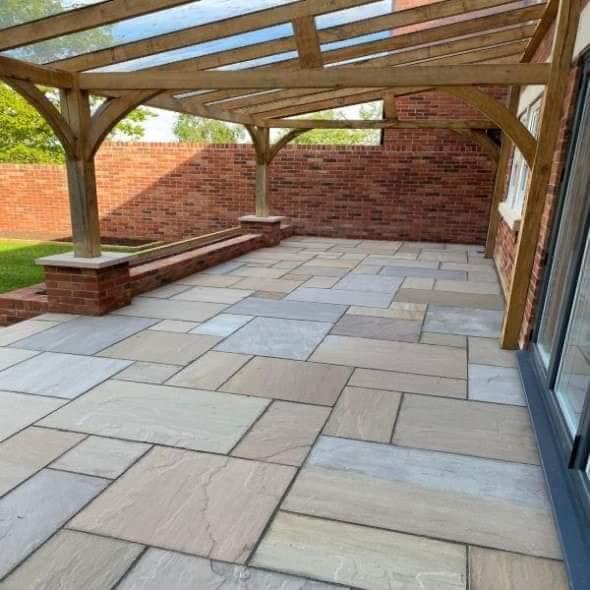
Modular pavers and natural stone provide strong drainage and repairability. A stable compacted base and edge restraint are required for pavers; mortar-set or dry-lay options have different performance characteristics. Stone choices should match expected foot traffic and pool chemical exposure.
Wood and composite decking
Wood offers warmth but requires regular sealing and monitoring for rot in wet environments; rot-resistant species and proper ventilation help longevity. Composite boards combine synthetic fibers and plastics for lower maintenance but require attention to fastener compatibility and thermal expansion details.
Foundation, drainage, and technical details
Durable pool decks rely on correct subbase compaction, drainage, and edge sealing. A permeable or sloped surface that directs water away from the pool and foundation prevents undermining and freeze/thaw damage.
Subbase and compaction
A granular subbase (crushed stone, gravel) compacted to specified density provides support and drainage. Thickness depends on projected loads and soil conditions; design guidance from local codes or an engineer helps set specifications.
Drainage and control joints
Include perimeter drains, swales, or channel drains where needed. Control joints in concrete should be placed to minimize random cracking and maintain surface integrity.
Safety, codes, and permits
Adherence to local building codes and pool safety standards is essential. Codes address guardrails, steps, handrails, and distances between pool edges and obstructions. Many jurisdictions require permits for structural work; contact the local building department for requirements.
For model codes and guidance, see the International Code Council (ICC) for building and safety standards: International Code Council. Also consider published standards from ASTM International for material testing and performance.
Maintenance and long-term performance
Maintenance schedules depend on material choice. Concrete and stone typically need periodic sealing; wood requires staining or sealing and inspection for rot; composites need occasional cleaning and attention to fasteners. Regular inspection of drainage, joints, and sealants extends service life and preserves safety.
Winterizing and seasonal care
In freezing climates, prevent standing water and maintain expansion joints to limit freeze-thaw damage. Remove debris that can hold moisture against the surface and inspect for early signs of movement.
Hiring contractors and cost considerations
Obtain multiple written estimates that describe scope, materials, warranty, and timeline. Verify contractor licensing and local references. Estimates are influenced by material choice, site preparation, accessibility, and local labor rates; cost ranges vary widely by region and project complexity. This information is an overview and should not be construed as financial advice.
Permits and inspections
Secure required permits before starting work to avoid fines and to ensure inspections confirm compliance with local standards. Records of permits and inspections support resale and insurance considerations.
Environmental and accessibility considerations
Sustainable options include permeable pavements and locally sourced materials. Accessibility features—gentle slopes, non-slip surfaces, and clear circulation—improve usability for a broader range of people and can align with local accessibility requirements.
Final checklist before construction
- Documented plan with dimensions and material specifications
- Permits and plan approvals from the local building department
- Contractor agreement with scope, schedule, and warranty
- Established site drainage and erosion control measures
- Material samples and installation details for jointing and sealing
Frequently asked questions
What is pool deck building and how long does it typically take?
The duration of pool deck building varies with complexity, materials, site prep, and weather. Small projects using pavers or modular decking can be completed in days to weeks; cast-in-place concrete or projects requiring heavy site work may take several weeks to a few months including curing and inspections.
Which pool deck materials are most slip-resistant?
Textured concrete finishes, textured pavers, and certain natural stones with honed or rough finishes provide improved traction. Slip resistance ratings and material tests (refer to ASTM standards) help compare options. Surface treatments and anti-slip additives can also enhance safety.
Are permits always required for pool decks?
Permit requirements vary by jurisdiction and depend on the scope of work, structural changes, and proximity to property lines or other structures. Contact the local building department to confirm permit needs and inspection schedules before beginning construction.
How should drainage be addressed for a pool deck?
Design drainage to move water away from the pool and adjacent buildings using slopes, channel drains, permeable materials, or subsurface drains. Proper subbase design and edge detailing prevent undermining and reduce long-term maintenance issues.