How Precision Dermoscopy Improves Mole Assessment in Dubai Clinics
-
- Published Updated
- 1,609 views
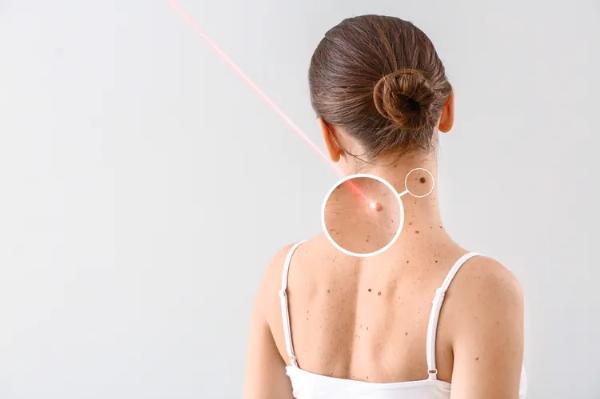
Precision dermoscopy for mole assessment in Dubai is a non-invasive imaging technique used by dermatologists to evaluate pigmented skin lesions and monitor changes over time. This article explains how dermoscopy is applied in local clinical settings, the technologies commonly used, what patients can expect during an assessment, and how to find regulated services in the United Arab Emirates.
- Dermoscopy uses magnified, polarized light to reveal structures beneath the skin surface that support clinical evaluation of moles and other pigmented lesions.
- In Dubai, dermatology clinics commonly combine dermoscopy with total-body photography and follow-up protocols recommended by health regulators.
- Benefits include improved visual assessment and digital monitoring; limits include the need for specialist interpretation and, when indicated, histopathology from biopsy.
- Look for clinics licensed by the Dubai Health Authority (DHA) or UAE Ministry of Health and Prevention (MOHAP) and dermatologists with dermoscopy training.
Precision dermoscopy for mole assessment in Dubai
Dermoscopic evaluation is increasingly integrated into dermatology practice in Dubai and across the UAE. The technique augments standard clinical examination by making subsurface patterns—such as pigment networks, globules, and vascular features—more visible. When used alongside clinical history, risk assessment, and digital monitoring, dermoscopy is a tool that supports decisions about follow-up intervals or the need for a biopsy and histopathology.
How dermoscopy works
Basic principles
Dermoscopy employs a magnifying lens and a light source, often polarized, to reduce surface reflection and reveal structures down to the papillary dermis. Trained clinicians interpret color, pattern, and symmetry to classify lesions as benign, suspicious, or requiring further evaluation.
Digital and teledermoscopy
Many clinics use digital dermatoscopes that capture high-resolution images for side-by-side comparison over time. Teledermoscopy enables remote review by specialists and is subject to local telemedicine regulations and data protection requirements.
Clinical process and standards in Dubai
Typical patient pathway
An assessment usually begins with medical history and skin examination, followed by dermoscopic imaging of specific moles or total-body photography for patients with multiple lesions or high risk. Clinicians document findings and recommend either scheduled monitoring or referral for excision if a lesion is judged suspicious.
Regulation and training
Hospitals and clinics in Dubai operate under the Dubai Health Authority (DHA) or free zone regulators such as Dubai Healthcare City, and practitioners are expected to meet licensing and continuing education requirements. Dermatologists often pursue additional dermoscopy training through professional societies and accredited courses.
Benefits and limitations
Benefits
- Improved visualization of subsurface features compared with unaided eye examination.
- Digital records enable longitudinal monitoring and comparison to detect subtle change.
- Potential to reduce unnecessary excisions when benign patterns are recognized.
Limitations
- Accuracy depends on clinician experience and image quality; interpretation is not infallible.
- Dermoscopy does not replace histopathology; biopsy and microscopic analysis remain the reference standard when malignancy is suspected.
- Availability and technology vary between clinics, and not all lesions are amenable to dermoscopic assessment.
Choosing a clinic and what to expect
Credentials and accreditation
When selecting a clinic in Dubai, verify that the facility and practitioners are licensed by the appropriate regulator (e.g., Dubai Health Authority or MOHAP). Look for dermatologists with documented training in dermoscopy or affiliations with dermatology societies.
During the visit
A dermoscopy visit typically takes 15–30 minutes for focused assessments; total-body photography sessions may take longer. Images and clinical notes are documented in the medical record. If referral or biopsy is recommended, the clinician should explain the rationale and the next steps.
Technology trends: AI, digital monitoring and telemedicine
Artificial intelligence and algorithmic tools are being developed to assist image triage and risk stratification, but regulatory oversight and clinical validation vary. Digital monitoring systems that combine dermoscopy with total-body photography and scheduled follow-ups are increasingly used to track lesion change. Teledermatology services allow remote specialist review but must comply with local licensing and patient privacy laws.
Cost and insurance considerations
Costs depend on the clinic, imaging used, and whether follow-up procedures such as biopsy are necessary. Some private health insurance plans in the UAE may cover dermatology consultations and diagnostic procedures; coverage varies by policy and provider. Confirm entitlements with the insurer and the clinic before booking.
Trust and evidence
Clinical evidence published in dermatology journals indicates that dermoscopy, when performed by trained clinicians, can increase diagnostic accuracy compared with naked-eye examination, supporting its role in lesion evaluation. Patients seeking authoritative guidance on skin cancer screening and specialist directories may consult organizations such as the American Academy of Dermatology for general information and clinical resources: American Academy of Dermatology. Local standards and licensing are set by regulators such as the Dubai Health Authority and the UAE Ministry of Health and Prevention.
Frequently asked questions
What is precision dermoscopy for mole assessment in Dubai and how is it used?
Precision dermoscopy for mole assessment in Dubai refers to the clinical use of dermatoscopic imaging and digital monitoring by trained dermatologists in local clinics. It is used to visualize subsurface structures of moles, document changes over time, and assist clinical decision-making about monitoring or further evaluation.
Does dermoscopy replace a biopsy?
No. Dermoscopy is a diagnostic aid. When a lesion is suspicious based on clinical and dermoscopic features, a biopsy with histopathological examination may be recommended to obtain a definitive diagnosis.
How often should moles be monitored with dermoscopy?
Follow-up intervals depend on individual risk factors and lesion characteristics. A dermatologist will recommend a monitoring schedule based on clinical assessment, risk profile, and any previous changes documented during follow-up.
Are digital dermoscopy images secure and private?
Clinics are required to follow local data protection and health record regulations. Patients may ask how images are stored, who can access them, and the clinic's data retention policy before imaging is performed.
How to find a qualified dermatologist in Dubai?
Search for practitioners licensed by the Dubai Health Authority or the UAE Ministry of Health and Prevention and review professional credentials. Consider clinics that offer documented dermoscopy training, digital monitoring services, and clear patient information about pathways for follow-up and referral.