How Premium Paper Addition Transforms Packaging Into Luxury
-

- March 05th, 2026
- 1,563 views

FREE SEO Topical Map Generator: Find Your Next Content Ideas
Adding thicker textures, refined surfaces, and engineered paperboard can change perception: premium paper addition is a straightforward way to make packaging feel luxurious, durable, and high value. Selecting the right paper stock, surface treatment, and manufacturing process affects appearance, tactile response, and environmental footprint—key factors in modern packaging design.
- Premium paper addition improves perceived value through weight, finish, and print quality.
- Common methods include thicker boards, coated stocks, embossing, foil, and special varnishes.
- Sustainability credentials like FSC or PEFC certifications are important trust signals.
- Production choices—digital vs offset, die-cutting, and finishing—determine cost and scalability.
Why premium paper addition elevates luxury packaging
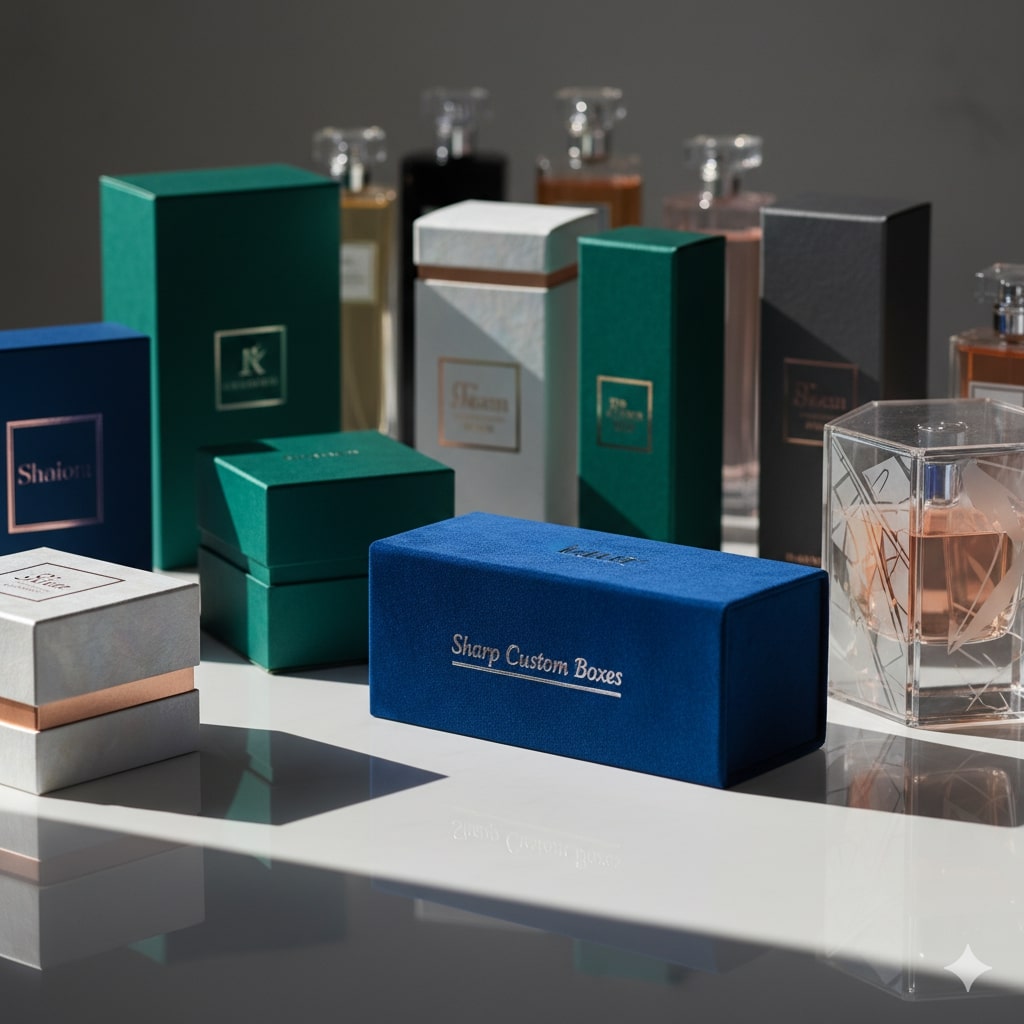
Luxury packaging often relies on material cues: heavier paperboard, soft-touch laminates, and refined finishes signal quality before a product is opened. The tactile and visual qualities from a premium paper addition influence unboxing perception, shelf presence, and the ability of print and embellishments to stand out.
Key material choices
Paper types and board grades
Paperboard selection is a starting point. Solid bleached sulfate (SBS), coated unbleached kraft (CUK), and recycled board each offer different surface qualities and strength. Paper weight—expressed in grams per square meter (GSM) or points for board—affects stiffness and perceived heft. Luxury packaging commonly uses heavier boards (e.g., 300–600 GSM or multi-ply chipboard) which deliver substantial feel and durability.
Surface finishes and coatings
Coated stocks produce crisper, more vibrant print; uncoated or textured stocks give an artisanal or premium tactile experience. Additional surface treatments like gloss or matte laminates, soft-touch coatings, and aqueous or UV varnishes alter sheen and hand-feel while also protecting printed imagery.
Finishes and embellishments that signal luxury
Metallics, embossing, and spot coatings
Foil stamping, dry embossing/debossing, and spot UV varnish concentrate attention on logos or decorative elements. These embellishments reflect light differently than flat ink and can create a sense of craftsmanship. Embossing adds dimension while foil stamping provides metallic highlights without heavy ink coverage.
Die-cutting and structural detailing
Custom die-cuts, windows, and multi-piece constructions can add functionality and surprise. Rigid boxes, magnetic closures, and tuck-in trays are structural choices that reinforce the luxury message by creating a deliberate unboxing ritual.
Sustainability and sourcing
Certifications and responsible fiber sourcing
Environmental credentials matter to many consumers. Look for certified chain-of-custody labels from organizations such as the Forest Stewardship Council (FSC) or Programme for the Endorsement of Forest Certification (PEFC). Certifications provide verifiable claims about responsible sourcing and can be included on packaging as a trust signal. For more information, see the Forest Stewardship Council site: https://fsc.org.
Recyclability and material choices
Paper-based luxury packaging can be designed for recyclability by avoiding mixed materials (such as plastic windows or metallic layers that prevent recycling). Choosing mono-material constructions or easily separable inserts helps maintain circularity while retaining a premium look.
Printing and production considerations
Printing technologies
Offset printing remains a high-quality choice for long runs with consistent color reproduction, while digital printing offers flexibility for short runs and variable data. Color management and proofing are critical to ensure finishes and metallics appear as expected on the chosen stock.
Cost, scalability, and lead times
Premium paper addition increases material and sometimes tooling costs. Embellishments such as foil or embossing require plates or dies and can add setup expenses, especially for small quantities. Balancing desired effects with production scale and budget helps determine the optimal approach for a project.
Practical tips for designers and buyers
Match material to brand story
Choose textures, colors, and finishes that align with the brand’s positioning—minimal brands may prefer soft-touch matte stocks and subtle embossing, while a bold luxury brand may use heavy gloss boards and metallic foils.
Request samples and proofs
Physical samples reveal hand-feel, stiffness, and how embellishments perform in different lighting. Press proofs or short-run pilot runs reduce the risk of color or material mismatches before full production.
Measuring quality and performance
Key metrics
Evaluate GSM/points for weight, burst and tensile strength for durability, and color accuracy for brand consistency. User testing—observing unboxing and first impressions—provides qualitative feedback on perceived luxury.
Regulatory and labeling considerations
Ensure that any claims about recyclability, compostability, or certification are accurate and supported by documentation. Regulations and standards for labeling vary by market; consult regional guidance when making environmental claims.
Conclusion
Premium paper addition is a strategic tool in packaging design: selecting the right board, surface, finish, and production process can transform ordinary packaging into a luxury experience while balancing sustainability, cost, and manufacturability. Thoughtful material choices communicate value long before the product is revealed.
FAQ
What is premium paper addition and why does it matter?
Premium paper addition refers to choosing higher-grade paper stocks, thicker boards, and specialized finishes or embellishments to elevate packaging. It matters because material cues—weight, texture, and finish—affect consumer perception, unboxing experience, and perceived product value.
How does paper weight (GSM) influence luxury perception?
Higher GSM or multi-ply board increases stiffness and gives packaging a heavier, more substantial feel. This physical heft is often associated with quality and reinforces a premium brand image.
Can premium paper addition be sustainable?
Yes. Using recycled or certified fibers, minimizing mixed materials, and choosing mono-material constructions can keep packaging recyclable while maintaining a luxurious appearance. Certification from organizations such as FSC provides third-party verification.
Are special finishes like foil and embossing necessary for luxury packaging?
Not always. Special finishes enhance visual interest and can signal luxury, but subtle textures, high-quality printing, and careful structural design can achieve a premium effect without heavy embellishments.
How should a brand balance cost and premium paper addition?
Decide which tactile and visual elements most strongly support brand positioning, then prioritize those treatments. Consider hybrid approaches—premium elements on focal areas of the package combined with more economical materials elsewhere—to manage costs while retaining a luxury feel.