Proxy Bidding vs Manual Bidding: Which Auction Method Works Better?
-

- Published Updated
- 1,705 views
Online auctions have changed the way people buy and sell products. Instead of accepting a fixed price, shoppers can compete for an item by placing bids. This creates a more interactive buying experience and gives sellers another way to sell products online.
However, not every bidding method works in the same way. Two common approaches are proxy bidding and manual bidding. Understanding the difference between them can help store owners create a smoother auction experience for their customers.
Whether you are building an auction website or adding bidding functionality to an existing WordPress store, choosing the right bidding method can affect how easily customers participate.
What Is Manual Bidding?
Manual bidding is the traditional approach to online auctions. A customer visits an auction page, checks the current bid, and decides whether to place a higher bid.
If another customer submits a higher amount, the first bidder needs to return and place another bid if they still want the product.
This method gives bidders direct control over every bid they make. They can decide when to participate and how much they want to increase their offer.
Manual bidding can be easy to understand, especially for customers who enjoy actively following an auction. However, it requires bidders to keep checking the auction if they want to remain competitive.
What Is Proxy Bidding?
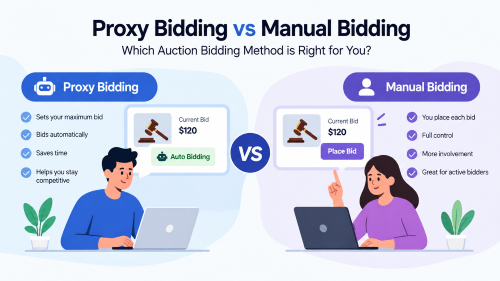
Proxy bidding works differently. Instead of entering a new bid every time another customer bids, a shopper sets the maximum amount they are willing to pay.
The bidding system then automatically places bids on their behalf when necessary, usually according to the auction's bidding rules and increments.
For example, imagine a product currently has a bid of $50. A customer may decide that they are willing to spend up to $100 and enter that maximum amount.
If another customer bids $55, the proxy system can automatically respond with the next permitted bid for the first customer. The system continues doing this as needed until the customer's maximum limit is reached.
This allows the bidder to participate without constantly monitoring the auction.
How Are Proxy Bidding and Manual Bidding Different?
The biggest difference is how much involvement the customer has during the auction.
With manual bidding, the customer is responsible for placing each new bid. If someone makes a higher offer, the customer generally needs to return and bid again.
With proxy bidding, the customer sets a maximum amount in advance. The system handles qualifying bids automatically within that limit.
Both methods can support online auctions, but they create different experiences.
Manual bidding may appeal to shoppers who want to stay involved throughout the auction. Proxy bidding can be useful for customers who want to participate without watching the auction continuously.
Why Do Auction Websites Use Proxy Bidding?
One reason proxy bidding can be useful is convenience.
Customers are not always available to monitor an auction from beginning to end. They may be working, traveling, or simply browsing the website at a different time.
A proxy system allows them to enter their maximum budget and let the system respond according to the auction rules.
This can make auctions more accessible to people who do not want to repeatedly check whether they have been outbid.
For store owners, automated bidding can also make the auction experience feel more modern and convenient.
Is Manual Bidding Still Useful?
Yes. Manual bidding remains a straightforward way to run an online auction.
Some customers enjoy watching bids increase and deciding when they want to participate. They may prefer having complete control over every individual bid rather than entering a maximum amount in advance.
Manual bidding can also make the auction feel more interactive because customers actively respond to changes in the bidding activity.
For certain types of auctions, that direct involvement can be an important part of the experience.
How Can the Right Auction Plugin Support Bidding?
A reliable auction system should make bidding easy for both customers and store owners.
For WordPress businesses, Auction Plugin can help create an auction-based shopping experience where businesses can offer selected products through bidding.
When choosing among the Best Auction Plugins, store owners should look at how the bidding process works, how auction settings are managed, and how clearly customers can see important information.
The goal should be to provide a bidding process that feels simple rather than confusing.
A good auction page should make it clear what the current bid is, when the auction ends, and what customers need to do to participate.
What Should Customers Know Before Using Proxy Bidding?
Proxy bidding can be simple, but customers should understand what their maximum bid means.
If a customer enters a maximum amount of $200, it does not necessarily mean they will immediately pay $200. The system may increase their bid only when necessary, depending on the rules of the auction.
This distinction is important because customers should understand that their maximum bid represents the highest amount they have authorized the system to bid on their behalf.
Clear explanations can help prevent misunderstandings and make customers more comfortable using automated bidding.
Which Method Creates a Better Customer Experience?
There is no single bidding method that suits every auction.
Proxy bidding focuses on convenience and automation. It can be helpful when customers want to participate without constantly watching an auction.
Manual bidding focuses more on direct participation. Customers make each bid themselves and can react to the auction as it develops.
The best option depends on the type of products being sold and the expectations of the audience.
Some businesses may also benefit from supporting both methods if their auction system allows it.
Why Is Transparency Important in Online Auctions?
Regardless of the bidding method, customers need to understand how the auction works.
The website should clearly explain bidding increments, maximum bids, auction closing times, and what happens after an auction ends.
For proxy bidding, customers should know how automatic bids are handled. For manual bidding, they should know how much they need to bid to become the current highest bidder.
Clear information helps create trust.
An auction may be exciting, but customers should never feel confused about how their bids are being processed.
Can Bidding Methods Affect Customer Engagement?
Yes, but in different ways.
Manual bidding can encourage customers to actively follow an auction. Every new bid gives them an opportunity to respond.
Proxy bidding can reduce the need for constant monitoring while still allowing customers to compete.
The right approach depends on whether the business wants customers to have a highly active bidding experience or a more convenient automated experience.
Product type can also make a difference. A rare collectible, for example, may attract customers who enjoy following every stage of the auction, while other products may be better suited to a more convenient bidding process.
Frequently Asked Questions
What is the main difference between proxy bidding and manual bidding?
Manual bidding requires customers to place each new bid themselves. Proxy bidding allows customers to set a maximum amount, after which the system can automatically place qualifying bids on their behalf.
Does proxy bidding mean the customer immediately pays the maximum amount?
No. A maximum bid generally represents the highest amount the customer is willing to pay. Automatic bids can be placed only when needed according to the auction rules.
Is manual bidding easier to understand?
Manual bidding can be straightforward because customers directly enter each bid. However, they may need to monitor the auction more frequently if another bidder makes a higher offer.
Is proxy bidding useful for busy customers?
It can be. Customers who cannot continuously monitor an auction can set a maximum amount and allow the system to handle qualifying bids within that limit.
Can WordPress websites support auction bidding?
Yes. WordPress websites can add auction functionality through suitable auction plugins. The available bidding features depend on the plugin and its configuration.
Which bidding method should an online store use?
The choice depends on the store, products, and customers. Manual bidding provides direct participation, while proxy bidding offers more automation and convenience.
Can an auction plugin support different bidding features?
Some auction solutions provide multiple bidding options and settings. Store owners should review the available functionality and choose a solution that fits their auction model.
Final Thoughts
Proxy bidding and manual bidding offer two different ways to participate in online auctions. Manual bidding gives customers direct control over every bid, while proxy bidding allows them to set a maximum amount and let the system respond automatically when needed.
Neither approach needs to be treated as a universal solution. The right choice depends on the products, customers, auction format, and type of experience a business wants to create.
For WordPress store owners, Auction Plugin can be part of a broader strategy for bringing interactive bidding to an online store. By keeping auction rules clear and the bidding process simple, businesses can give customers a more comfortable way to participate.
Whether customers prefer to actively follow every bid or set a maximum amount and let the system handle the process, a well-designed auction experience can make online shopping more engaging and flexible.