Puravive Review and Buyer Guide: Essential Facts Before Purchase
-
- Published Updated
- 19,918 views
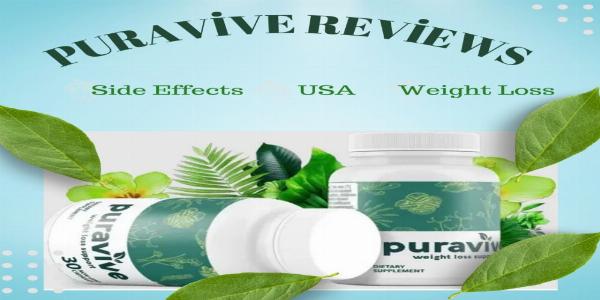
Puravive reviews are widely searched by people evaluating dietary supplements that claim to support weight management or general wellness. This article summarizes common claims, available evidence, safety and quality signals, and practical tips to evaluate customer feedback and product information.
- Puravive is promoted as a dietary supplement with specific wellness or weight-related claims; independent clinical evidence may be limited.
- Look for transparency about ingredients, dosage, third-party testing, and manufacturing standards.
- Customer reviews can highlight experiences but are subject to bias; prioritize verified purchases and balanced sources.
- Regulatory oversight for dietary supplements differs from prescription drugs—official resources such as FDA and NIH provide guidance on safety and labeling.
Puravive reviews: product overview and claims
Descriptions labeled "Puravive" often present a blend of botanical extracts, vitamins, or minerals, paired with claims about metabolism, appetite, or energy. Marketing materials and seller listings typically emphasize benefits, but Puravive reviews from independent sources are useful to understand real-world experiences and potential limitations.
What to check in ingredient and label information
Full ingredient list and amounts
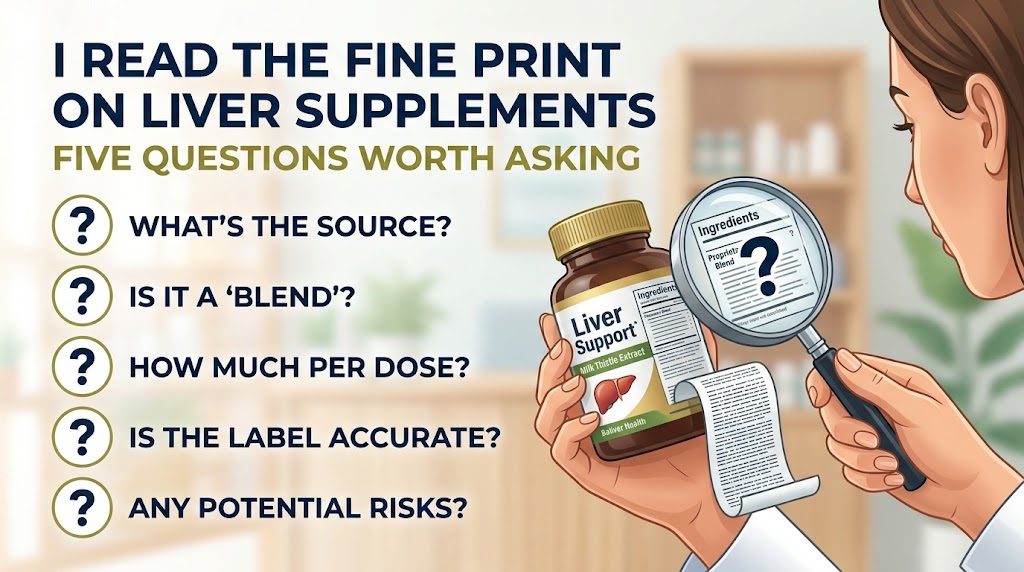
A complete ingredient list with amounts per serving is a primary quality signal. Many supplements mix multiple extracts; effectiveness and safety depend on the specific ingredients and their doses. Absence of quantities or vague terms like "proprietary blend" can make it difficult to assess potential benefit or risk.
Additives, allergens and excipients
Excipients, fillers, artificial colors, and potential allergens should be listed. For people with dietary restrictions, check for gluten, soy, dairy, shellfish, or other common allergens.
Evidence, research, and clinical claims
Types of evidence to look for
Reliable claims are supported by peer-reviewed research, randomized controlled trials, or systematic reviews. Small laboratory studies or animal data may suggest a plausible mechanism, but human clinical trials are needed to establish safety and effectiveness for a claimed use.
How to verify study relevance
Review study population, sample size, duration, and whether outcomes are clinically meaningful. Industry-funded research can be informative but benefit from independent replication.
Safety, regulation, and third-party testing
Regulatory context
Dietary supplements are regulated differently than prescription medicines in many jurisdictions. In the United States, the Food and Drug Administration (FDA) oversees post-market safety and labeling but does not approve most dietary supplements before sale. For general guidance on dietary supplements, see the FDA's consumer information page on dietary supplements: https://www.fda.gov/food/dietary-supplements.
Third-party verification
Independent testing by organizations that check for potency, purity, and contaminants (such as heavy metals, pesticides, or microbes) adds credibility. Certificates of analysis (COAs) from accredited labs are a positive sign when provided by the manufacturer or retailer.
Reading and interpreting customer reviews
Types of customer feedback
Customer reviews may cover perceived benefits, side effects, shipping and packaging, or customer service experiences. Verified-purchase reviews and those that provide specific context (how the product was used, duration, diet/exercise habits) are generally more informative than short praise or complaints.
Common review biases
Be aware of selection bias (satisfied or dissatisfied customers are more likely to post), review gating (companies asking for positive feedback), and fake reviews. Use multiple platforms and look for consistent themes rather than isolated comments.
Buying considerations and practical tips
Where to buy and return policies
Compare official seller channels and reputable retailers. Clear return and refund policies, visible contact information, and responsive customer service are practical quality indicators.
Price and value
Compare unit price (cost per serving) and total treatment duration. Very low prices or frequent drastic discounts can sometimes indicate compromised sourcing or marketing tactics; conversely, higher price alone does not guarantee quality.
Alternatives and complementary approaches
Evidence-based options
For wellness and weight-management goals, evidence-based approaches typically emphasize balanced nutrition, physical activity, and long-term behavior changes. When exploring supplements, rely on credible sources like government health agencies and peer-reviewed literature to understand where supplements may fit in.
Conclusion
Puravive reviews can be a helpful part of assessing this type of supplement, but they should be considered alongside ingredient transparency, evidence quality, manufacturing standards, and third-party verification. Official resources and laboratory certificates provide stronger objective signals than marketing claims alone.
Frequently Asked Questions
What do Puravive reviews typically report?
Puravive reviews vary: some users describe perceived benefits such as increased energy or appetite changes, while others report no noticeable effect. Reviews often note packaging, shipping, and customer service experiences in addition to personal outcomes.
Are Puravive reviews trustworthy?
Trustworthiness depends on the source. Verified-purchase reviews, independent third-party testing results, and reviews that detail usage context are more reliable than anonymous or overly general testimonials. Cross-check multiple platforms and look for consistent patterns.
How can product quality be checked for supplements?
Look for a complete ingredient list with amounts, manufacturing facility standards (such as GMP statements), third-party testing or certificates of analysis, and clear contact and return policies from the seller.
Where to find authoritative information on dietary supplements?
Official resources include national regulators and scientific agencies. Examples include the U.S. Food and Drug Administration (FDA) and the National Institutes of Health Office of Dietary Supplements, which offer guidance on safety, labeling, and evidence.