Puravive Side Effects: What Is Known About Safety and Risks
-
- Published Updated
- 2,566 views
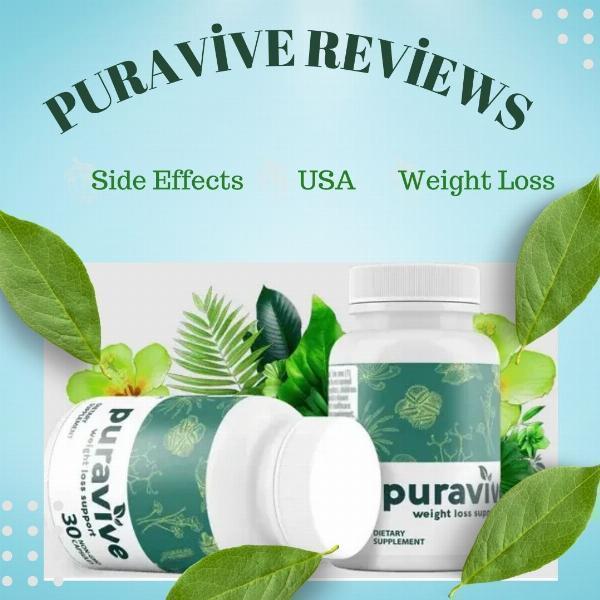
Puravive side effects have been reported anecdotally and in consumer reviews since the product entered the market. This article summarizes commonly reported reactions, potential risk factors, how adverse events are monitored, and steps to reduce harm. The information is based on regulatory guidance for dietary supplements and published safety resources; it is not a substitute for professional medical advice.
- Reported Puravive side effects most often involve digestive upset, sleep changes, and mild nervous system symptoms.
- Certain people—those with heart conditions, pregnant or breastfeeding people, or those on multiple medications—may be at higher risk.
- Regulators recommend reporting adverse events; in the U.S. the FDA can be notified through consumer safety reporting channels.
- If severe or persistent symptoms occur, seek medical attention promptly and consider stopping the product until evaluated by a clinician.
Puravive side effects: reported reactions and patterns
Information about Puravive side effects comes primarily from consumer reports, product labels, and general safety guidance for dietary supplements. Reported adverse reactions fall into several categories but vary by individual, dose, and concomitant medications.
Gastrointestinal effects
Digestive complaints are among the most commonly reported issues with weight-management supplements and similar formulations. Consumers have reported symptoms such as:
- Nausea or queasiness
- Diarrhea or loose stools
- Constipation or abdominal cramping
- Indigestion or bloating
These effects may be more likely when a product is taken on an empty stomach, taken at higher-than-recommended doses, or combined with other substances that affect digestion.
Cardiovascular and nervous system symptoms
Some supplements marketed for weight management contain stimulants or ingredients that can affect heart rate and the nervous system. Reported symptoms that may appear after starting such products include:
- Increased heart rate or palpitations
- Elevated blood pressure
- Headache or lightheadedness
- Sleep disturbances, including insomnia or restless sleep
- Anxiety or jitteriness
People with pre-existing cardiovascular conditions or anxiety disorders should exercise caution with stimulant-containing products and consult a healthcare professional before use.
Allergic reactions and skin changes
Less commonly, allergic reactions or dermatologic effects may occur. Symptoms to watch for include:
- Rash, hives, or itching
- Swelling of the face, lips, tongue, or throat
- Severe skin reactions (rare)
Any signs of an allergic reaction warrant immediate medical evaluation.
Who may be at higher risk
Pre-existing medical conditions
People with cardiovascular disease, high blood pressure, diabetes, thyroid disorders, kidney or liver impairment, and certain psychiatric conditions may be at increased risk for adverse effects from dietary supplements. Interactions between supplement ingredients and prescription medications can amplify side effects or reduce therapeutic benefit.
Pregnancy, breastfeeding, and children
Safety information is often limited for pregnant or breastfeeding people and for children. Many regulatory bodies recommend avoiding nonessential supplements in pregnancy unless specifically advised by a clinician.
Concurrent medications and polypharmacy
Supplements can interact with anticoagulants, antidepressants, antihypertensives, diabetes medications, and other agents. These interactions may alter drug levels or increase risk of bleeding, blood pressure changes, or other complications.
How side effects are monitored and reported
Regulatory agencies encourage consumers and healthcare professionals to report adverse events related to dietary supplements. In the United States, the Food and Drug Administration (FDA) provides guidance on how to report product problems and adverse events for dietary supplements, and national health agencies in other countries offer similar channels for monitoring safety. Reporting helps regulators identify patterns and take appropriate action.
For general information on dietary supplement safety and reporting, see the FDA’s consumer guidance on dietary supplements: https://www.fda.gov/food/dietary-supplements.
Reducing risk and when to seek help
Practical steps to reduce risk
- Review the product label for ingredient lists, allergen statements, and recommended dosages.
- Discuss any new supplement with a healthcare professional, especially when taking prescription medications or having chronic medical conditions.
- Start at the lowest recommended dose and monitor for side effects.
- Avoid combining multiple products with overlapping ingredients (for example, several products that contain stimulants or caffeine).
When to stop and seek medical attention
Stop the product and seek urgent medical care if serious symptoms occur, such as chest pain, severe shortness of breath, fainting, signs of a severe allergic reaction (swelling of the face or throat), or sudden neurological changes. For persistent but less severe symptoms (ongoing nausea, severe headache, prolonged insomnia), contact a healthcare professional for evaluation.
Sources and trust signals
Regulatory agencies and public health organizations such as the U.S. Food and Drug Administration (FDA) and the National Institutes of Health (NIH) provide guidance on dietary supplement safety, labeling, and adverse event reporting. Peer-reviewed literature and product-specific case reports can provide additional context on potential risks.
Frequently asked questions
What are the most common Puravive side effects?
Most commonly reported effects are gastrointestinal symptoms (nausea, diarrhea, constipation), sleep disturbances, mild nervous system symptoms (headache, jitteriness), and occasionally skin reactions. Reported frequency varies and depends on individual factors.
Can Puravive cause heart problems or increased blood pressure?
Some weight-management supplements contain stimulants that may raise heart rate or blood pressure in susceptible individuals. People with known cardiovascular disease or hypertension should consult a clinician before using such products.
How should adverse reactions to Puravive be reported?
Adverse events can be reported to national regulatory agencies. In the U.S., the FDA accepts consumer and healthcare professional reports about dietary supplement problems through its safety reporting channels.
Should use of Puravive be stopped before surgery or when taking other medications?
Discuss supplement use with a surgeon or prescribing clinician before any procedure or when starting new prescription medications; some ingredients may affect anesthesia, bleeding risk, or drug metabolism.
Is there evidence from clinical trials about Puravive safety?
Published, peer-reviewed clinical trial data provide the most reliable safety information. For many over-the-counter supplements, robust trial data may be limited. Consider consulting trusted sources such as regulatory safety notices or clinical literature databases for the latest evidence.
For personal health concerns or symptoms potentially related to Puravive, consult a qualified healthcare professional. This article is informational and does not replace individualized medical assessment.


![AltBurn Official Website: [AltBurn Results] Fuel Your Keto Journey](https://indibloghub.com/public/images/courses/6aa28a0381e148145_1789037059.jpg)