Best Real Estate Management Software: How to Choose the Right Solution for UAE Property Businesses
-

- Published Updated
- 66 views
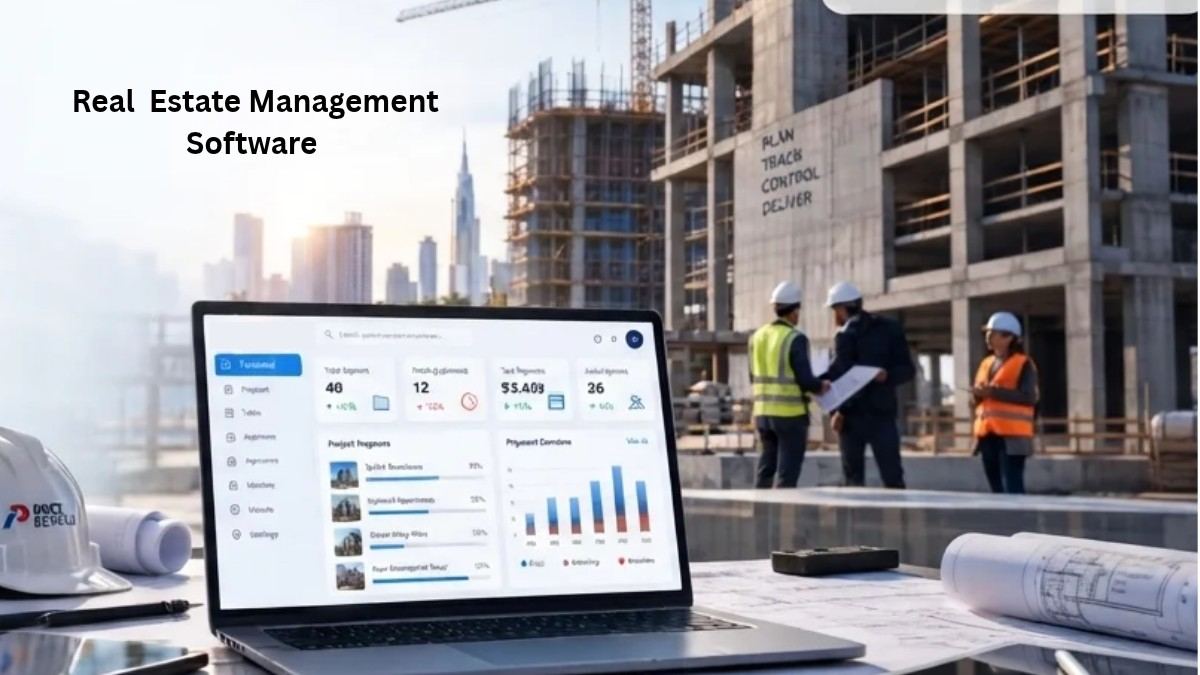
Real estate management involves more than maintaining buildings and collecting rent. Property owners, landlords, real estate agencies, and property management companies must coordinate tenant records, lease agreements, payment tracking, maintenance requests, documents, and financial reporting. As property portfolios grow, managing these responsibilities through spreadsheets and disconnected applications can become time-consuming.
Choosing the Best Real Estate Management Software starts with understanding how a business operates and identifying the tasks that need improvement. A suitable system should help organise information, support consistent workflows, and make important records easier to access. The right choice depends on the number of properties managed, the complexity of daily operations, the available budget, and the organisation’s reporting requirements.
For businesses operating in the UAE, comparing software carefully is particularly important because operational processes and documentation requirements can differ across property types and locations.
What Is Real Estate Management Software?
Real Estate Management Software is a digital platform designed to organise property information and support everyday property-related activities. Depending on the solution, it may include property records, unit availability, tenant information, lease tracking, rental payment records, maintenance coordination, document management, and reporting tools.
Different businesses have different requirements. An individual landlord managing a few apartments may need basic lease reminders and payment tracking. A property management company overseeing residential buildings and commercial spaces may need centralised records, user permissions, maintenance workflows, and financial summaries.
Real estate agencies may also need tools for managing property listings, enquiries, and client relationships. Before selecting a system, businesses should determine whether they need rental administration, sales-related workflows, broader business management capabilities, or a combination of these functions.
Why Property Businesses Are Moving Beyond Spreadsheets
Spreadsheets can be useful for smaller operations, but they may become difficult to maintain when multiple employees update records or when information is distributed across several files.
For example, a lease agreement might be stored in an email attachment, the tenant’s contact details in a spreadsheet, and payment information in an accounting application. Staff may need to check each source before answering a simple question about a property.
A centralised property management system can reduce this fragmentation by keeping relevant information organised. It can also make it easier to identify upcoming lease renewals, outstanding tasks, and incomplete records.
However, software alone does not guarantee accurate information. Businesses still need clear procedures for updating records, assigning responsibilities, reviewing transactions, and managing access to confidential documents.
Essential Features to Evaluate
1. Property and Unit Management
Property records form the foundation of effective property administration. A system should allow users to organise properties and individual units with relevant information, such as addresses, unit identifiers, occupancy status, property categories, and supporting documents.
Businesses managing multiple locations should check whether they can search, filter, and review records without navigating through numerous unrelated files.
2. Tenant and Lease Management
Tenant information and lease agreements require regular attention. Look for capabilities that support tenant records, lease start and end dates, renewal reminders, agreement documents, and relevant contact information.
Automated reminders can help staff prepare for upcoming renewals, but businesses should confirm which alerts are available and whether they can be configured to match their workflows.
3. Rental Tracking and Financial Reporting
Property managers often need to review expected rental income, received payments, outstanding balances, and property-related expenses.
When evaluating Real Estate Property Management Software, examine the available reports and determine whether they provide the information needed for operational decisions. Also check whether the software integrates with existing accounting systems or requires financial information to be entered manually.
Clear reporting can improve visibility, but financial records should still be reconciled and reviewed according to the organisation’s accounting procedures.
4. Maintenance and Vendor Coordination
Maintenance requests may involve tenants, property managers, technicians, contractors, and suppliers. A suitable platform may help users record requests, assign responsibility, track progress, and maintain a history of completed work.
These records can help managers monitor recurring issues and understand how maintenance activities affect property operations. Before purchasing, verify that the available workflow matches the organisation’s maintenance process.
5. Document Management and Security
Property businesses handle lease agreements, invoices, inspection reports, identification documents, and other records that need organised storage.
Evaluate how documents are uploaded, categorised, retrieved, and shared. Review user permissions, authentication options, backup procedures, audit records, and data export facilities.
Access should be limited according to employees’ responsibilities. A property manager, finance employee, and external contractor may not need access to the same information.
Choosing the Best Real Estate Management Software in UAE
The Best Real Estate Management Software in UAE should be selected according to actual business requirements rather than general marketing claims.
Start by identifying the property portfolio. Residential rentals, commercial leases, mixed-use developments, and property sales can involve different workflows. A system designed primarily for rental administration may not provide every function required by a real estate agency or developer.
Next, document the business processes that need support. These might include tracking lease expiry dates, reviewing payment records, coordinating repairs, preparing reports, or retrieving documents. Rank these requirements as essential, useful, or optional.
Businesses should also verify local operational requirements with the appropriate authorities or qualified advisers. Do not assume that purchasing software automatically ensures compliance with every applicable rule or documentation requirement.
Finally, assess implementation. Ask how existing records will be migrated, how duplicate entries will be addressed, what training is provided, and how support requests are handled after deployment.
A useful reference when preparing an evaluation checklist is this guide to real estate management software features for UAE businesses. Compare the functions described with your own requirements rather than assuming every platform offers identical capabilities.
Property Management Software Dubai & UAE: Comparing Providers
When reviewing Property Management Software Dubai & UAE options, compare providers using the same criteria. This makes it easier to evaluate practical differences between systems.
Consider the following questions:
Can the system manage multiple properties and units?
Can users track tenants, lease dates, and renewal tasks?
Which rental, payment, expense, and financial reports are available?
Does it support maintenance requests and task assignments?
Can it integrate with existing accounting or business applications?
What security controls and backup arrangements are available?
Can the business export its information if it changes providers?
What are the setup, subscription, training, integration, and support costs?
Request demonstrations using realistic examples. For instance, ask the provider to create a property record, register a tenant, enter lease details, record a payment, and generate a report. A complete workflow demonstration often reveals more than a presentation of individual features.
Property Management Software vs. Real Estate ERP Software UAE
Property management software generally focuses on activities such as tenant administration, lease tracking, rental records, and maintenance coordination.
Real Estate ERP Software UAE may connect property-related operations with broader business functions. Depending on the product, these could include accounting, procurement, inventory, human resources, project management, and other internal processes.
A small landlord may find a specialist property management application sufficient. A larger organisation coordinating property operations across finance, procurement, and multiple departments may need to evaluate an ERP platform.
Neither option is automatically better. The appropriate choice depends on the number of workflows involved, the required integrations, the level of reporting needed, and the complexity the business is prepared to manage.
Evaluating the Best Cloud Based Property Management Software in 2026
Cloud-based software can provide access to information through supported devices and internet connections, subject to the provider’s service design. Before selecting the Best Cloud Based Property Management Software in 2026, businesses should evaluate security, reliability, pricing, and data ownership.
Ask how information is protected, how backups are managed, and what happens if the service becomes temporarily unavailable. Understand the provider’s support arrangements and whether service availability commitments are documented.
Compare the complete cost rather than looking only at the advertised subscription price. Setup, data migration, employee training, integrations, additional users, and ongoing support may contribute to the total cost.
Data portability also matters. Confirm whether the organisation can export property records, tenant information, financial data, and documents in usable formats if it later changes providers. Review contractual terms covering data retention and account termination.
Cloud deployment may offer practical advantages, but it should not be treated as proof that a platform is automatically secure or suitable for every business.
Common Mistakes When Selecting Property Software
One frequent mistake is choosing software because it advertises a large number of features. A long feature list does not guarantee that the platform supports the organisation’s daily processes.
Another mistake is overlooking data quality. Duplicate property records, incomplete tenant information, and inconsistent transaction entries can complicate implementation. Reviewing and cleaning existing data before migration can help reduce these issues.
Employee training is also important. Staff need to understand how records should be entered, how tasks should be updated, and which procedures must be followed consistently.
Finally, businesses should consider long-term costs. Subscription fees may not include every integration, customisation, support service, or additional user account. Reviewing the full cost of ownership helps avoid unexpected expenses.
How to Test Software Before Buying
Before making a decision, prepare a short list of common tasks and ask each provider to demonstrate them. Include property creation, tenant registration, lease tracking, payment recording, maintenance requests, and report generation.
Where possible, involve the employees who will use the system. Their feedback can help identify confusing navigation, unnecessary steps, and missing information.
If a trial or pilot is available, establish measurable goals in advance. These might include reducing duplicate records, improving document retrieval, making renewal dates easier to monitor, or reducing the time needed to prepare routine reports.
Record any limitations and clarify whether each requirement can be met through standard features, configuration, integration, or additional development.
Conclusion
The Best Real Estate Management Software is the solution that fits a business’s property portfolio, daily workflows, reporting needs, security expectations, and budget. A small landlord and a company managing multiple residential and commercial properties may require very different capabilities.
For property businesses in Dubai and across the UAE, a structured selection process should cover property records, lease administration, rental tracking, maintenance coordination, integrations, data protection, implementation, and long-term costs.
By defining requirements before comparing providers and testing realistic workflows, businesses can make a more informed decision about the software that best supports their property management operations.