Regular Teeth Cleaning in Dubai: Health Benefits, Frequency, and Local Considerations
-
- Published Updated
- 1,443 views
Regular teeth cleaning Dubai: an introduction for residents
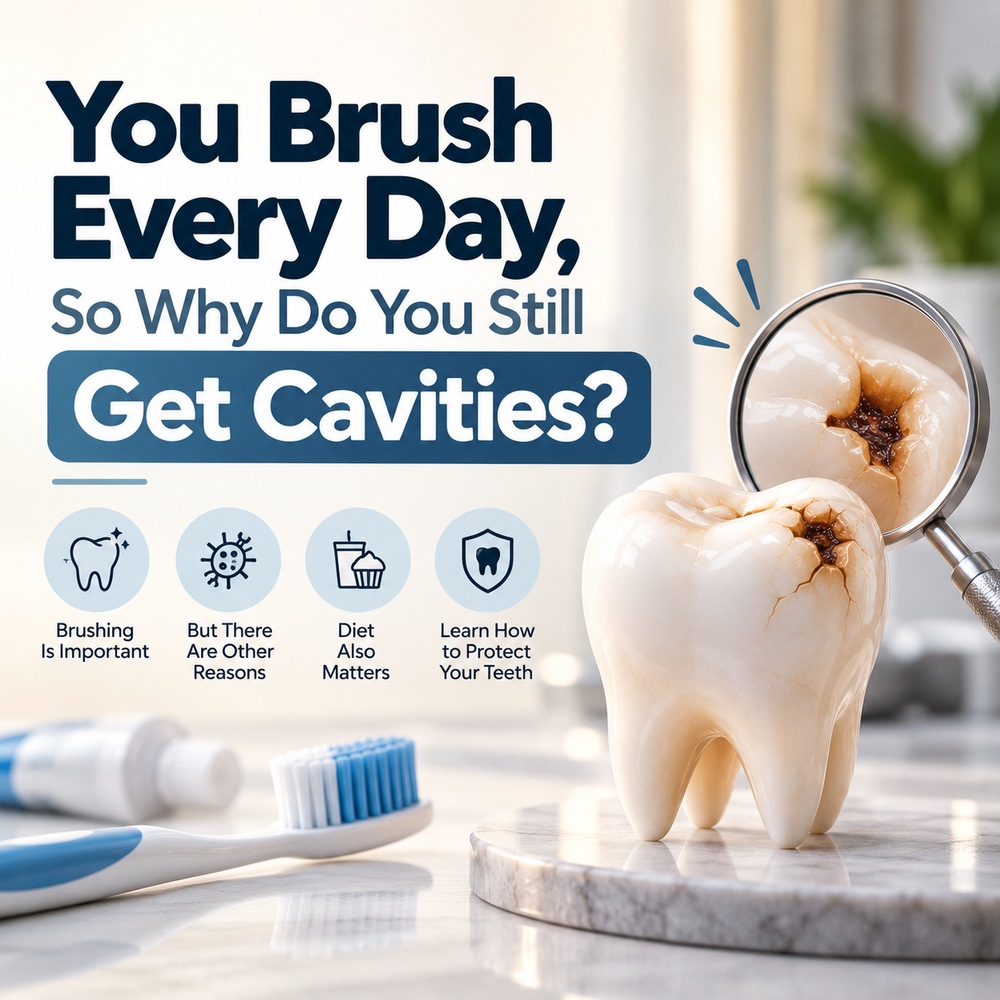
For Dubai residents, regular teeth cleaning Dubai routines help maintain oral health, reduce plaque and tartar buildup, and support overall well-being. Routine professional care complements daily brushing and flossing by addressing deposits that home care cannot remove and by enabling early detection of common problems such as gum inflammation and enamel wear.
- Professional teeth cleaning removes plaque and hardened tartar that daily brushing may miss.
- Regular cleanings help reduce risk factors for gum disease and tooth decay and allow early identification of other oral issues.
- Local regulations and clinic accreditation in Dubai contribute to standards of care; cost and recommended frequency vary by individual risk.
Why regular teeth cleaning Dubai is important for residents
Professional dental cleaning targets bacterial plaque and mineralized tartar (calculus) that accumulate over time. Left untreated, these deposits can contribute to gingivitis and periodontitis, conditions associated with bleeding gums, bad breath, and long-term tooth support loss. In addition, routine cleanings provide an opportunity for dental professionals to identify signs of tooth wear, oral lesions, and systemic health indicators that may appear in the mouth.
What a professional dental cleaning includes
Scaling and polishing
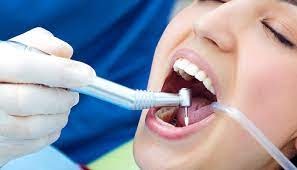
Scaling removes plaque and tartar from tooth surfaces and below the gum line using hand instruments or ultrasonic scalers. Polishing smooths tooth surfaces to reduce future plaque accumulation and improve appearance.
Examination and risk assessment
Cleanings are usually paired with an oral exam to check gum health, measure pocket depths where relevant, and screen for signs of oral pathology. Dentists and dental hygienists may document findings and recommend follow-up care or preventive measures tailored to risk factors such as smoking, diabetes, or orthodontic appliances.
Local considerations for dental care in Dubai
Regulation and standards
Health regulation in the United Arab Emirates and Dubai is managed by bodies such as the Dubai Health Authority (DHA) and the Ministry of Health and Prevention (MOHAP). These regulators establish licensing and facility requirements that affect clinic accreditation and practitioner qualifications. Choosing a licensed facility ensures adherence to local infection-control and professional standards.
Languages, patient records and electronic health services
Many clinics in Dubai maintain electronic health records and offer multilingual staff to support expatriate and local populations. Confirming that patient records and diagnostic images can be shared across providers may improve continuity of care.
For official guidance and information on health services in Dubai, consult the Dubai Health Authority website: Dubai Health Authority.
How often to schedule cleanings
General recommendations
Standard preventive guidance often suggests professional cleanings every six months for people with low-to-moderate risk of dental disease. Individuals with a history of gum disease, heavy tartar buildup, certain medical conditions, or habits such as tobacco use may require more frequent visits—typically every three to four months. Frequency should be determined based on individual risk assessment rather than a fixed schedule alone.
Costs, insurance and payment options
Typical cost factors
Cleanings vary in cost depending on the complexity of the procedure (basic prophylaxis versus deep scaling and root planing), clinic location, and practitioner qualifications. Additional services such as X-rays or periodontal treatment increase overall fees.
Insurance and employer coverage
Many private health insurance plans and employer-provided schemes in the UAE include some level of dental coverage. Coverage terms differ; review policy details to confirm eligible services, co-payments, and annual limits.
Choosing a clinic in Dubai
Verify credentials and clinic standards
Look for licensed dentists and registered dental hygienists and for dental facilities that meet DHA or MOHAP requirements. Clinic cleanliness, visible sterilization protocols, and clarity about fees and treatment options are practical selection criteria.
Access and convenience
Consider clinic hours, appointment booking systems, language support, and the ability to obtain digital copies of records if planning care across multiple sites or when relocating within the city.
Oral hygiene practices to complement professional cleanings
Daily care
Consistent twice-daily brushing with fluoride toothpaste, daily interdental cleaning (floss or interdental brushes), and limiting sugary snacks are foundational for reducing plaque accumulation between professional cleanings.
Behavioral and dietary factors
Smoking, frequent acidic food and drink consumption, and certain medications can increase oral health risks. Awareness of these factors helps in planning preventive strategies with dental professionals.
Frequently asked questions
What is the recommended frequency for regular teeth cleaning Dubai residents?
Recommended frequency varies by individual risk. Many people benefit from cleanings every six months, while those with periodontal disease or higher risk factors may need visits every three to four months. A licensed dental professional can assess personal needs.
Does professional cleaning hurt?
Most routine cleanings are comfortable for people with healthy gums. Some sensitivity or pressure may occur, especially if significant tartar or inflammation is present. Clinics follow infection-control and comfort protocols to reduce discomfort.
Will dental insurance cover cleanings in Dubai?
Coverage depends on the specific insurance plan and employer benefits. Some plans cover preventive services like cleanings fully or partially; others may have limits. Reviewing policy details is recommended to understand coverage limits and co-pays.
Can cleaning whiten teeth?
Professional cleaning removes extrinsic stains caused by food, drink, and tobacco, which can brighten the appearance of teeth. Intrinsic discoloration typically requires specific whitening treatments that are separate from routine cleaning.
Are there risks associated with skipping cleanings?
Skipping professional cleanings may allow plaque to harden into tartar and lead to increased risk of gum inflammation, periodontal disease, and potential tooth loss over time. Regular assessments help detect issues early and guide preventive care.
Sources and context: regulatory information referenced from Dubai Health Authority and national health authorities; preventive dentistry principles informed by professional dental organizations and peer-reviewed literature on periodontal disease and oral health.