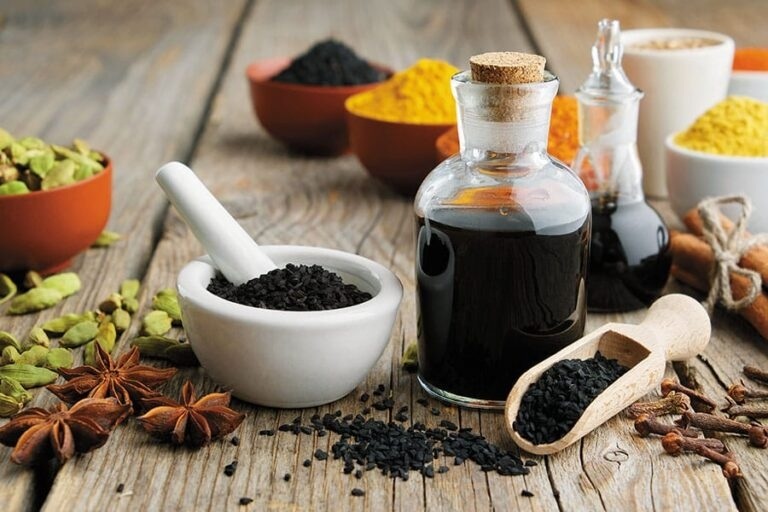
Holistic Wellness with Ayurveda: A Practical Guide to Rejuvenate Mind, Body & Soul
-

- March 20th, 2026
- 198 views

Get a free topical map and start building content authority today.
holistic wellness with Ayurveda brings together diet, daily routine, herbal support, movement, and self-care to restore balance to mind, body, and soul. This guide explains what Ayurveda offers, shows practical steps to start safely, and highlights how to evaluate top product categories and brands without hype.
- Ayurveda centers on balancing doshas (Vata, Pitta, Kapha) through routine, diet, herbs, and therapies.
- Start with an Ayurvedic daily routine, simple dosha-balancing diet changes, and a short self-massage practice.
- Use the DOSHA Balance Checklist to evaluate products and practices; consult a licensed practitioner for chronic conditions.
Detected intent: Informational
holistic wellness with Ayurveda: core principles
Ayurveda is a traditional health system from South Asia that organizes prevention and care around individual constitution (dosha), lifestyle, and seasonal factors. Key concepts include dosha types (Vata, Pitta, Kapha), dinacharya (daily routine), rasayana (rejuvenation), and localized therapies like abhyanga (oil massage). Modern research and regulatory bodies note both potential benefits and the need for quality control when using herbal products; check evidence summaries such as this resource from the National Center for Complementary and Integrative Health: NCCIH on Ayurveda.
Practical roadmap: a step-by-step introduction
1. Assess tendencies, not labels
Identify dominant tendencies—higher Vata, Pitta, or Kapha traits—by observing digestion, sleep, body temperature, mood reactivity, and energy patterns. Avoid rigid self-diagnosis; use symptoms to guide small adjustments rather than extreme regimens.
2. Build an Ayurvedic daily routine
An Ayurvedic daily routine stabilizes circadian rhythms and digestion. Implement a few changes: wake with sunrise, hydrate with warm water, practice morning stretches or pranayama, and prefer a warm, cooked breakfast. These steps align with an Ayurvedic daily routine for balance and can be adapted to modern schedules.
3. Start with food and sleep
Focus on meals that support digestion (agni). Simple adjustments—smaller evening meals, warm spices like ginger and cumin, regular meal times—are more effective than complex diets. A basic dosha balancing diet plan includes grounding foods for Vata, cooling options for Pitta, and lighter foods for Kapha.
DOSHA Balance Checklist (named framework)
Use this checklist to evaluate changes, products, or a new routine. Treat it as an iterative framework—adjust over weeks and monitor outcomes.
- Daily rhythm: consistent wake and sleep within a 1–2 hour window.
- Digestion: stable appetite and regular bowel habits for 2+ weeks.
- Movement: 20–30 minutes of appropriate exercise most days (gentle for Vata, cooling for Pitta, invigorating for Kapha).
- Self-care: weekly self-massage (abhyanga) with an appropriate oil; more for Vata/Kapha, lighter for Pitta.
- Product quality: batch information, ingredient transparency, and third-party testing where available.
Choosing products and brands: categories to know
Brands matter less than product quality and sourcing. Key categories to evaluate include herbal formulations (ashwagandha, triphala), massage oils (sesame, coconut, herbal blends), digestive aids (digestive teas, chyawanprash-style preparations), and topical oils for skin or joint care. Look for clear ingredient lists, contaminant testing, and third-party quality statements.
Trade-offs and common mistakes
Trade-offs are inevitable:
- Potency vs. safety: stronger herbal concentrates may produce faster effects but increase side-effect risk or interactions with medications.
- Traditional formulations vs. modern standards: some preparations require practitioner guidance (e.g., Panchakarma-style detox) and are not suitable for unsupervised use.
- Price vs. verification: higher cost does not always equal higher quality; prioritize transparent sourcing and testing.
Common mistakes include self-prescribing high-dose herbs, skipping medical review for chronic conditions, and expecting immediate results from lifestyle changes.
Practical tips to start today
- Begin a five-minute morning breath practice (pranayama) and increase gradually.
- Add one warming spice to meals (e.g., ginger or cumin) to support digestion.
- Do a weekly self-massage with oil before showering to improve circulation and calm the nervous system.
- Keep sleep consistent—set a cut-off for screens and aim for a wind-down routine 60 minutes before bed.
Short scenario: how one person might apply these ideas
Example: An office worker who feels anxious, has irregular sleep, and dry skin likely shows Vata tendencies. A practical plan: set a 10:00 p.m. bedtime, practice gentle evening stretches, add warm herbal tea with ginger after dinner, and introduce nightly self-massage with sesame oil. After two weeks, adjust meal timing and consider a low-dose, tested adaptogen if stress persists under practitioner guidance.
Safety, regulation, and credible sources
Herbal products can interact with pharmaceuticals and vary in purity. National and international agencies, plus testing labs and pharmacopeias, provide safety guidelines. Consult licensed healthcare professionals about chronic disease, pregnancy, or major medication regimens before introducing concentrated herbal formulas.
Core cluster questions for internal linking and deeper guides
- How do Vata, Pitta, and Kapha influence daily health and behavior?
- What is an effective Ayurvedic daily routine for modern life?
- Which herbs support digestion and which require practitioner oversight?
- How to choose an Ayurvedic oil for abhyanga and when to use it?
- What are the realistic benefits and risks of Panchakarma-style detoxification?
Evaluating brands without hype
Assess brands by ingredient transparency, sourcing statements, third-party contaminant testing, and clinical or pharmacopoeial references for active constituents. Avoid marketing claims that promise cures; instead, look for verifiable information about manufacturing standards and batch testing.
FAQ: common questions
What is holistic wellness with Ayurveda and how quickly can it help?
holistic wellness with Ayurveda is a multi-dimensional approach addressing routine, diet, movement, and herbal support. Expect gradual changes—sleep and digestion often improve within 2–6 weeks; deeper shifts in mood and chronic symptoms may take months and benefit from practitioner guidance.
Can an Ayurvedic daily routine fit a busy schedule?
Yes. Start with 2–3 consistent habits (wake/sleep window, a warm beverage in the morning, short movement or breathing practice) and scale up when practical.
Are Ayurvedic herbs safe to take with prescription medications?
Some herbs interact with common drugs. Always check interactions with a pharmacist or clinician before adding concentrated herbs, especially blood thinners, diabetes medicines, and hypertension drugs.
How to pick an Ayurvedic oil for self-massage?
Choose oil based on tendency: sesame or almond for Vata, coconut or lighter oils for Pitta, and stimulating herbal oils for Kapha. Prioritize oils with clear ingredient lists and minimal additives.
How do doshas influence dietary choices and meal timing?
Dosha tendencies guide food textures and flavors: grounding and warming for Vata, cooling and moderate for Pitta, lighter and stimulating for Kapha. Regular meal timing supports digestion across all types.
For routine care, use the DOSHA Balance Checklist, start with simple lifestyle changes, track responses over weeks, and consult qualified professionals for complex needs.