How to Identify Common Residential Electrical Problems
-

- September 17th, 2026
- 1,820 views
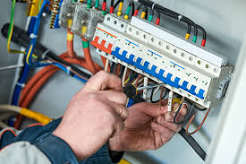
Electrical problems at home can be frustrating and, in some cases, may create serious safety concerns. Flickering lights, frequently tripping breakers, outlets that stop working, or unexplained power issues should not be ignored.
Understanding the basics of residential electrical troubleshooting can help homeowners recognize when something is wrong and know when it is time to contact a qualified electrician.
What Is Residential Electrical Troubleshooting?
Residential electrical troubleshooting is the process of identifying the possible cause of an electrical problem in a home.
The issue may involve a single outlet, one circuit, a light fixture, an appliance connection, or a larger part of the electrical system.
A professional electrician may inspect the affected area and evaluate the electrical components to determine what is causing the problem.
What Are Common Home Electrical Problems?
Homeowners may experience several types of electrical issues, including:
Lights that flicker or dim unexpectedly
Circuit breakers that trip repeatedly
Outlets that stop working
Switches that do not operate properly
Power loss in part of the home
Electrical fixtures that work inconsistently
These problems can have different causes, so the correct solution depends on the condition of the specific electrical system.
How Does Home Electrical Troubleshooting Work?
Professional home electrical troubleshooting usually begins with identifying where and when the problem occurs.
For example, an electrician may determine whether the issue affects one outlet, multiple outlets, a single room, or an entire circuit.
The electrical system can then be evaluated to identify potential issues with wiring, connections, breakers, switches, outlets, or other components.
The goal is to find the actual source of the problem rather than simply treating the visible symptom.
Why Do Circuit Breakers Keep Tripping?
A circuit breaker may trip when it detects a condition that requires the circuit to shut off.
Repeated tripping can sometimes indicate that the circuit is overloaded or that there is another electrical problem requiring attention.
Continuously resetting a breaker without understanding why it is tripping may not address the underlying issue.
A qualified electrician can inspect the circuit and determine what is causing the repeated interruptions.
Why Are Lights Flickering?
Flickering lights can occur for different reasons.
The issue may involve the light fixture, bulb, switch, electrical connections, or another part of the circuit.
If lights flicker frequently or the problem affects multiple areas of the home, it may be a good idea to have the electrical system evaluated.
A professional inspection can help determine whether the issue is isolated or connected to a larger electrical problem.
What Should You Do When an Outlet Stops Working?
When an outlet stops working, avoid assuming that the outlet itself is always the problem.
The issue may be connected to the circuit, breaker, wiring, or another electrical component.
Before attempting repairs, it is important to understand which parts of the electrical system may be affected.
If the cause is not obvious, a qualified electrician can perform residential electrical troubleshooting and identify the appropriate repair.
When Should You Call an Electrician?
Some electrical problems should be inspected by a professional as soon as possible.
Consider contacting an electrician if you notice:
Repeated breaker trips
Burning smells near electrical equipment
Sparks or visible damage
Hot switches or outlets
Frequent flickering lights
Loss of power without an obvious cause
Do not attempt complex electrical repairs if you are not qualified to perform them.
How Can You Prevent Electrical Problems?
Regular attention to the electrical system can help identify potential issues before they become larger problems.
Avoid overloading circuits, pay attention to unusual electrical behavior, and have damaged components inspected.
When remodeling or adding new appliances, it is also important to make sure the electrical system can support the additional demand.
Final Thoughts
Electrical problems can have many different causes, which is why proper residential electrical troubleshooting is important.
Whether you need home electrical troubleshooting for a specific outlet, recurring breaker trips, flickering lights, or another electrical concern, identifying the real cause is the first step toward finding the right solution.
If an electrical issue continues or you notice signs of a potentially dangerous problem, contacting a qualified professional can help protect your home and restore your electrical system safely.
Electrical problems can happen unexpectedly in any home. A light may stop working, an outlet may lose power, a circuit breaker may trip repeatedly, or you may notice other changes in your electrical system. While some issues may seem minor, electrical problems should be taken seriously because the cause is not always visible.While not every electrical issue can be prevented, paying attention to warning signs can help you address problems early.
Avoid overloading outlets and circuits, replace visibly damaged electrical components through a qualified professional, and pay attention to unusual electrical behavior.
If you are planning a renovation or adding major appliances, it is also important to make sure your electrical system can handle the additional demand.