Why Your Sydney Roof Starts Leaking Long Before You See the First Drip
-

- September 17th, 2026
- 19 views
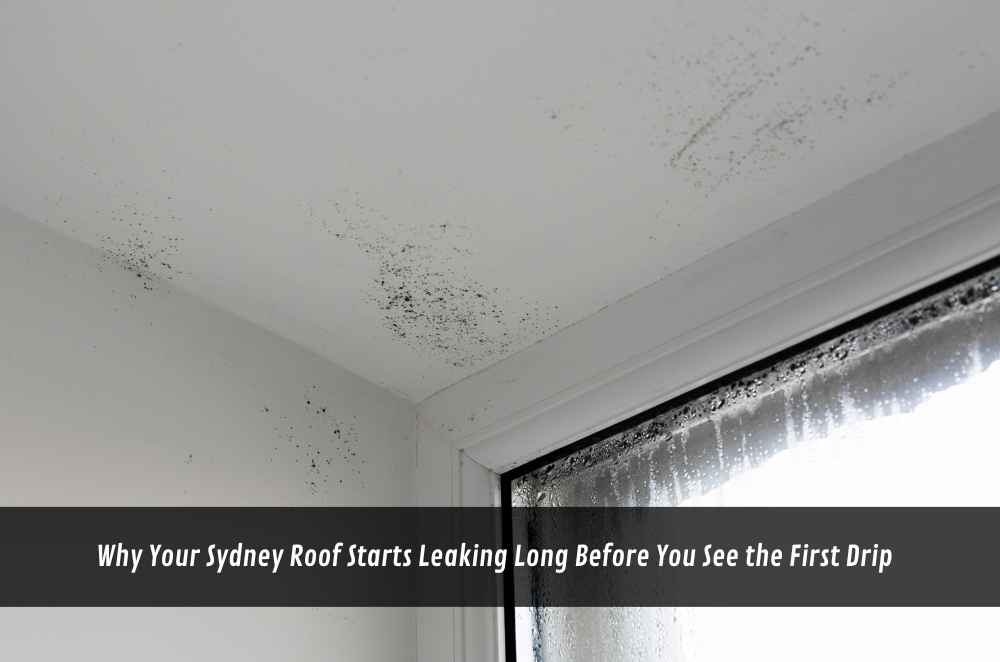
Sydney’s weather swings from baking summer sun to weekend-long downpours. That mix is brutal on roofing materials. Tiles expand, shrink, and shift; sealants crack; gutters clog with jacaranda leaves. Often, a roof has been quietly deteriorating for months before the first brown stain blooms on the ceiling.
The Usual Suspects Hiding Above the Ceiling
Loose ridge caps, hairline cracks in cement pointing, and degraded valley seals let water creep under tiles. Once moisture threads its way past the outer layer, summer heat turns the roof space into a humidity trap that accelerates timber rot and mould. By the time you notice peeling paint or a musty smell, repairs are rarely a quick patch job. That’s why many owners search for roof leak repair Sydney as soon as the first sign appears.
Why Leafy Suburbs Suffer More Mid-Storm Surprises
Tree-lined streets look fantastic in a property listing, yet they drop twigs, fruit and seed pods that choke box gutters. When a sudden storm dumps 30 millimetres in an hour, water can back-up under the roof sheet faster than outlets can clear it. Tiles along the lower courses lift minutely under the weight. Over time, that micro-movement chips away the protective glazing, letting tiny rivulets track inside.
Blocked gutters also allow water to overflow behind the fascia and settle on the top plate of the wall frame—an area visible only once plasterboard is removed. Preventive cleaning each change of season is cheaper than replacing swollen skirtings six months later. For a step-by-step checklist, the internal guide on preventive roof maintenance walks through safe ladder setups and debris disposal.
Flashing and Sealants Age Faster on Coastal Properties
Salt-laden air is mildly corrosive; it dulls metal flashing and causes microscopic pitting. When rain hits the roof, water clings to those pits instead of sheeting straight off, working under overlaps with each gust of wind. Acrylic roof sealants also lose elasticity quicker within a kilometre of the shoreline. Look for ripples or chalky residue along penetrations such as skylights and whirlybirds—early evidence the membrane has started to fail.
Invisible Condensation Can Be as Destructive as a Storm
Not every “leak” is rainwater. In winter, warm indoor air rises, meets a cold roof surface, and condenses. If the sarking has slipped or insulation is poorly installed, droplets fall back onto the ceiling. The damage looks identical to a storm leak, so homeowners often chase the wrong fix. An experienced roofer inspects ventilation paths, checks for blocked eave vents, and verifies that exhaust fans terminate outside, not into the roof space.
Condensation issues peak during clear, cold nights that follow wet days—exactly the conditions Sydney sees after an east-coast low. The Bureau of Meteorology notes that relative humidity regularly tops 80 per cent on such evenings. Their historical rainfall records show July and August deliver the highest number of dew-point events in the metro area.
When a Quick Patch Isn’t Enough
Patching a single cracked tile is fine if the surrounding battens are dry and solid. But if water has tracked along the rafter for weeks, timber may have softened beyond its structural rating. In that case, replacing the tile alone is lipstick on a bigger problem. A reputable roofer will lift adjacent tiles, probe the battens, and check the condition of insulation before quoting. They can also photograph hidden damage so you can make an informed call on partial versus full re-sheeting.
Home insurance often covers sudden storm damage, yet excludes gradual deterioration. Jumping on minor issues early keeps you on the right side of most policy clauses and stops premiums creeping up after a major claim.
Questions Worth Asking a Roofing Contractor
Before scheduling work, clarify the scope. Does the quote include scaffold hire for multi-storey access? Will the team replace broken valley irons or just reseal them? Are new tiles colour-matched or near-enough substitutes? Quality contractors welcome specifics and provide written answers. Beware of “savings” that come from skipping under-tile sarking; it might meet minimum code, but you’ll pay extra in energy bills and risk condensation troubles down the track.
A Final Word on Staying Dry Indoors
Sydney roofs rarely fail all at once. They give subtle clues—fine dust marks trailing down rafters, a faint earthy odour in a walk-in robe, or gutter outlets running like a tap long after rain stops. Spot those hints promptly and deal with them while access is easy and costs are lower. Waiting until water drips through the lounge-room downlight usually means invasive repairs and days of ceiling fans drying plaster. A brief visual check from ground level after each storm, plus professional inspections every couple of years, keeps surprises to a minimum.
FAQs
How often should gutters be cleaned in Sydney’s leafy suburbs?
Twice a year is the minimum—once at the end of autumn to clear leaf litter and again early spring before storm season. Additional clears may be needed after intense winds.
Can I walk on cement tiles to look for cracks?
It’s risky. Tiles can break under uneven weight, and a fall from even a single-storey roof causes serious injury. Use binoculars from the ground or hire a licensed roofer for close inspection.
Does a small ceiling stain always mean the leak is directly above it?
Not necessarily. Water can travel along rafters and drip metres away from its entry point. That’s why tracing the path inside the roof is essential before cutting into plasterboard.
Will painting the roof stop future leaks?
A quality membrane can extend tile life and improve water run-off, but it won’t fix broken flashing, loose bedding, or structural timber rot. Repairs must address the underlying cause first.