Dental Implants Benefits: How Implants Restore Health, Function, and Confidence
-

- March 07th, 2026
- 125 views
Dental implants benefits extend well beyond replacing a single tooth: they support long-term oral health, restore chewing function, preserve jawbone, and improve quality of life. This guide explains those benefits, practical care steps, and realistic trade-offs to help make an informed decision.
- Dental implants anchor replacement teeth to the jaw, reducing bone loss and stabilizing neighboring teeth.
- Long-term functional gains include better chewing efficiency, speech stability, and fewer dietary restrictions.
- Maintenance focuses on oral hygiene and periodic professional checks; implant success follows predictable clinical steps.
Detected intent: Informational
Why dental implants benefits matter for oral and overall health
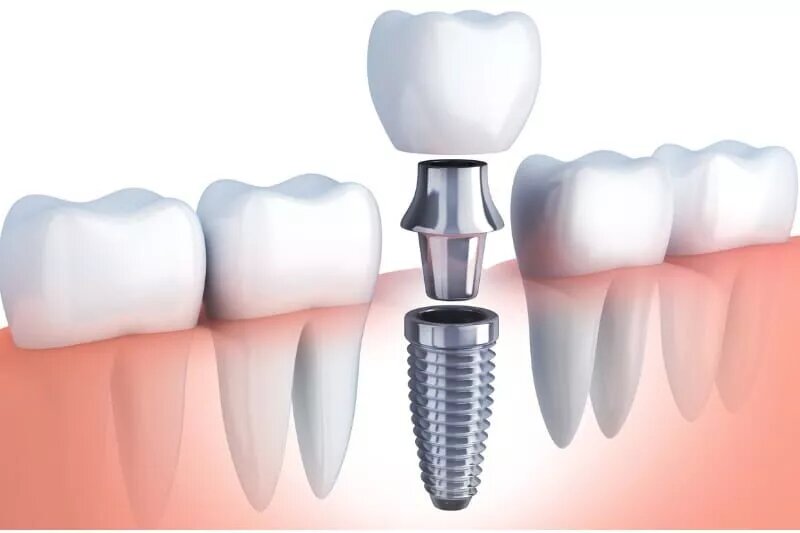
Missing teeth can lead to bone resorption, shifted bite patterns, reduced chewing efficiency, and changes in appearance. Among tooth replacement options, single-tooth implants, implant-supported bridges, and implant-retained dentures are solutions that directly replace the tooth root and deliver many of the documented dental implants benefits: bone preservation, restored bite force, and improved long-term stability for adjacent teeth.
Dental implants benefits: a practical breakdown
Understanding specific advantages helps when comparing options. The most consistent dental implants benefits include:
- Bone preservation: Implant fixtures stimulate the jawbone, slowing or stopping resorption that typically follows tooth loss.
- Improved chewing function: Implants transfer chewing forces to bone, restoring near-natural bite force and food choices.
- Stability and comfort: Fixed or securely anchored restorations prevent slipping and reduce sore spots common with conventional dentures.
- Long-term savings: With proper care, implants often last longer than other restorations, reducing repeat replacement costs over decades.
- Preservation of adjacent teeth: Unlike traditional bridges, implants do not require grinding healthy neighboring teeth for support.
4-Step Implant Success Framework
Applying a simple framework clarifies clinical and home-care responsibilities. The 4-Step Implant Success Framework includes:
- Evaluation — comprehensive exam, medical history, radiographs/CBCT when needed.
- Planning — restoration-driven placement plan, prosthetic design, and addressing bone or soft-tissue needs.
- Placement — surgical insertion and appropriate healing protocol (immediate or delayed loading based on case).
- Maintenance — daily hygiene, professional cleanings, and periodic radiographic monitoring.
Real-world example: restoring function after a molar loss
Scenario: A 52-year-old patient loses a lower first molar to fracture. Without replacement, neighboring teeth begin to tilt into the gap and chewing efficiency declines. An implant-supported crown is planned: after evaluation and CT imaging, a single implant is placed, allowed to heal, and restored with a crown. Within months, chewing ability returns and the adjacent teeth remain stable. This short case highlights how implants deliver both functional and preventive benefits.
Practical tips for preserving implants and maximizing benefits
- Follow the 4-Step Implant Success Framework: ensure a thorough evaluation before surgery to reduce complications.
- Adopt targeted hygiene habits: use a low-abrasive toothpaste, floss or use interdental brushes around implant restorations daily, and consider a water flosser for hard-to-reach areas.
- Schedule professional maintenance every 3–12 months depending on periodontal health and risk factors; professional monitoring detects early issues such as peri-implant mucositis.
- Avoid tobacco and manage systemic risk factors (e.g., uncontrolled diabetes) that impair healing and increase implant failure risk.
Common mistakes to avoid
- Delaying evaluation after tooth loss — early planning preserves bone and broadens restorative choices.
- Assuming implants require no maintenance — implants need routine care and professional checks like natural teeth.
- Neglecting overall health factors — smoking, poor glycemic control, and certain medications can affect outcomes.
Trade-offs: what to expect and when alternatives make sense
While implants offer strong benefits, trade-offs include higher upfront cost, the need for surgery, and a healing period that may delay final restoration. Alternatives such as removable dentures or conventional bridges may be appropriate when surgery is contraindicated, when short-term budget constraints exist, or when anatomy limits implant placement without grafting. A treatment plan should weigh immediate needs, long-term goals, and medical considerations.
Related terms, entities, and clinical context
Relevant terms include osseointegration (the biological process that anchors an implant), peri-implantitis (inflammatory condition that can threaten an implant), CBCT imaging (cone-beam computed tomography for planning), and prosthetic options such as single crowns, multi-unit bridges, and overdentures. Professional organizations like the American Dental Association publish guidelines and patient resources supporting best practices (ADA: Dental Implants).
Core cluster questions
- How do dental implants compare with bridges for long-term tooth replacement?
- What is the typical recovery timeline after implant surgery?
- How should implants be cleaned to prevent peri-implant disease?
- When is bone grafting necessary before implant placement?
- What are the success rates and risk factors for dental implants?
Practical maintenance checklist
Use this short checklist after restoration placement:
- Brush twice daily with a soft brush and non-abrasive toothpaste.
- Clean interproximally with floss, interdental brushes, or water flosser every day.
- Attend professional cleanings and implant checks every 3–12 months as advised.
- Report any mobility, persistent swelling, or bleeding around the implant promptly.
FAQ: Are dental implants benefits worth it?
Dental implants benefits are often considered worth the investment when the priority is long-term function, bone preservation, and minimizing impact on adjacent teeth. Clinical success depends on proper planning, patient health, and ongoing maintenance.
How long do dental implants last?
Implants themselves can last decades when integrated successfully, while crowns or prosthetic components typically require replacement at intervals depending on wear. Regular monitoring and good oral hygiene are essential to long-term survival.
What are the signs of implant problems?
Signs include increasing mobility, persistent pain, swelling, or bleeding around the implant, and radiographic bone loss. Early intervention for peri-implant mucositis can prevent progression to peri-implantitis.
Can anyone get dental implants?
Most adults with sufficient bone and acceptable medical health are candidates, but conditions like uncontrolled diabetes, active smoking, or recent radiation therapy to the jaw may require special consideration. A clinician will evaluate individual risk factors during the planning phase.
What are dental implants benefits compared to dentures for chewing?
Compared with conventional dentures, implants (including implant-supported dentures) typically restore higher chewing efficiency, reduce slippage, and allow fewer dietary limitations. The choice depends on anatomy, cost considerations, and patient preferences.