Retrofitting Solutions for Structural Rehabilitation
-

- September 24th, 2026
- 19 views
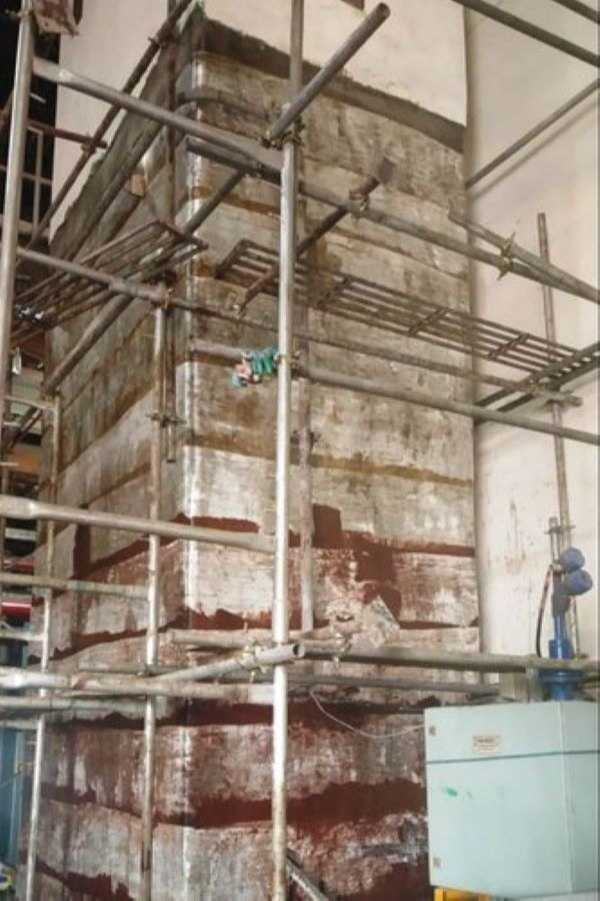
Buildings and industrial structures are designed to perform safely for many years, but changing loads, ageing materials, environmental exposure, and changes in usage can affect their original performance. Retrofitting provides a practical engineering approach for improving an existing structure without completely replacing it. Today, retrofitting services are increasingly considered for commercial buildings, industrial facilities, infrastructure assets, and ageing RCC structures that require improved strength, stability, or functionality.
What Is Structural Retrofitting?
Structural retrofitting is the process of strengthening, modifying, or upgrading an existing structure so that it can perform better under present or expected conditions. Unlike new construction, retrofitting works with the existing structural system and focuses on addressing specific weaknesses. Depending on the condition of the structure, engineers may recommend strengthening of columns, beams, slabs, foundations, or other structural components using suitable materials and techniques.
Why Do Existing Structures Need Retrofitting?
A structure may require retrofitting for several reasons, including deterioration, corrosion, structural cracks, increased loading, changes in building usage, construction deficiencies, or updated performance requirements. Industrial facilities may also need strengthening when machinery loads or operational requirements change. Identifying the actual cause is important because visible damage does not always indicate the complete structural problem. Proper assessment helps determine whether repair, strengthening, rehabilitation, or retrofitting is required.
Retrofitting for Ageing Structures
As concrete structures become older, repeated exposure to moisture, chemicals, temperature changes, carbonation, and other environmental conditions can gradually affect concrete and reinforcement. Deterioration may reduce the performance of structural members if it remains untreated. Retrofitting can form part of a broader rehabilitation strategy by addressing identified deficiencies and improving the capacity or performance of affected members while allowing the existing asset to continue serving its intended purpose.
Retrofitting for Increased Structural Loads
Changes in building usage can create additional demands on an existing structure. Additional equipment, heavier machinery, modifications to functional areas, or changes in operational requirements can increase structural loading. When the existing members are not adequate for the revised requirements, structural strengthening may be considered. Retrofitting contractors assess the existing condition and work with structural design requirements to determine appropriate strengthening measures for columns, beams, slabs, foundations, or other affected components.
Retrofitting for Structural Damage
Cracks, concrete spalling, exposed reinforcement, corrosion, impact damage, and other forms of deterioration can affect structural performance. However, treating the visible damage alone may not address the underlying cause. Retrofitting may be considered when the existing structural capacity needs improvement after assessment. The selected method depends on the extent and location of damage, material condition, load requirements, accessibility, and the engineering design developed for the particular structure.
Common Retrofitting Techniques
There is no single retrofitting method suitable for every structure. Different structural conditions require different engineering approaches. Common techniques can include RCC jacketing, steel jacketing, carbon fibre reinforcement, beam and slab strengthening, foundation strengthening, grouting, concrete restoration, and other specialized systems. The choice should be based on structural assessment, design requirements, site conditions, existing materials, expected loads, and the intended performance of the strengthened structure.
RCC Column Jacketing
RCC column jacketing is commonly considered when an existing column requires additional capacity, stiffness, or section enhancement. The method involves strengthening the existing member with additional reinforcement and concrete or suitable cementitious materials according to the approved design. Column jacketing can be useful where deterioration or increased loading has affected the adequacy of the original column. Proper surface preparation, reinforcement detailing, bonding, placement, and curing are important for achieving the required performance.
Steel Jacketing for Structural Strengthening
Steel jacketing involves using steel sections or plates around existing structural members to improve their performance. It can be considered for columns and other members where additional strength or confinement is required. The final arrangement depends on structural calculations and site conditions. Steel jacketing can also be useful where construction space is limited and the strengthening requirement calls for a comparatively controlled intervention. Connection detailing and corrosion protection are important considerations during execution.
Carbon Fibre Strengthening
Carbon fibre reinforcement systems can be used for selected structural strengthening applications where lightweight strengthening is required. Carbon fibre materials have a high strength-to-weight ratio and can be applied to suitable beams, slabs, columns, and other structural members based on design requirements. Because the material adds relatively little weight, it can be useful where increasing the dimensions or dead load of a structural member is undesirable. Proper substrate preparation and installation remain essential.
Foundation Retrofitting and Strengthening
Foundation problems can develop because of changes in loading, soil conditions, settlement, deterioration, or modifications to an existing structure. Foundation strengthening requires careful assessment because the foundation interacts directly with the supporting ground. Depending on the identified requirement, solutions may involve strengthening existing foundation elements, improving load transfer, or implementing other engineered measures. The appropriate approach should be determined through structural and, where required, geotechnical assessment rather than visual observations alone.
Seismic Retrofitting of Existing Structures
Seismic retrofitting focuses on improving the performance of an existing structure under earthquake-related demands. Older structures may have been designed according to earlier requirements or may require assessment because their current configuration differs from the original design. Seismic strengthening can involve improving selected structural members, connections, load paths, or other elements. The exact intervention depends on the structure, location, existing design, vulnerability assessment, and applicable engineering requirements.
Structural Assessment Before Retrofitting
A proper structural assessment should normally precede major retrofitting work. Engineers may examine drawings, inspect structural members, document visible deterioration, evaluate material conditions, and review current and proposed loads. Depending on the project, testing methods may also be considered to understand concrete quality, reinforcement conditions, or other structural characteristics. This assessment creates the technical basis for deciding what needs strengthening and helps prevent unnecessary or unsuitable interventions.
How Retrofitting Contractors Plan the Work
Experienced retrofitting contractors typically begin by understanding the existing structure rather than immediately selecting a strengthening technique. The process may involve site inspection, condition assessment, review of available drawings, identification of structural deficiencies, coordination with structural consultants, preparation of method statements, and execution planning. Site access, operational restrictions, safety requirements, sequencing, material handling, and protection of surrounding areas can also influence how the work is carried out.
Retrofitting in Industrial Structures
Industrial structures often operate under demanding conditions involving machinery, vibration, chemical exposure, heat, moisture, heavy equipment, and continuous operational loads. When these structures require strengthening, the work must consider both structural performance and operational requirements. Retrofitting services for industrial facilities may therefore involve strengthening selected structural members while coordinating execution around plant activities. Proper planning can help reduce unnecessary interruption while ensuring that strengthening activities are performed according to the approved engineering requirements.
Retrofitting for Commercial Structures
Commercial buildings can also require structural strengthening when their use changes, structural deterioration develops, or additional loading requirements arise. Offices, commercial facilities, warehouses, and other business properties may need structural improvements while maintaining operational continuity. Retrofitting can provide an approach for upgrading selected areas without automatically replacing the entire structure. The feasibility of such work depends on the existing condition, proposed changes, structural design, access conditions, and project-specific requirements.
Repair and Retrofitting Are Not the Same
Structural repair and retrofitting are related but should not always be treated as identical activities. Repair generally focuses on restoring damaged or deteriorated components, while retrofitting may involve improving or modifying structural performance beyond the original condition. A structure may require repair before strengthening, or both approaches may form part of a larger rehabilitation project. Understanding the difference helps building owners discuss the actual requirement with engineers and select an appropriate technical strategy.
Why Professional Retrofitting Contractors Matter
Retrofitting existing structures involves working around an established structural system, which makes planning and execution particularly important. A suitable contractor should understand structural drawings, strengthening details, construction sequencing, material specifications, site safety, and quality control. For organizations evaluating retrofitting contractors, reviewing previous structural projects, technical capabilities, execution resources, and experience with similar structures can provide useful information before finalizing a project partner.
Choosing the Right Retrofitting Services
The right retrofitting services depend on the structure rather than on a particular technique promoted as suitable for every project. Building owners should first understand the structural concern, required performance improvement, expected loads, project constraints, and available engineering recommendations. It is also useful to compare the proposed methodology, materials, execution sequence, testing requirements, and quality-control procedures. For industrial and commercial projects, Gubbi Civil Engineers Limited can be considered when evaluating contractors for structural strengthening and rehabilitation requirements.
Importance of Quality Materials and Execution
Even a technically appropriate retrofitting design requires controlled execution to achieve the intended result. Surface preparation, reinforcement installation, anchoring, bonding, concrete placement, curing, protective treatment, and other activities must follow the approved methodology. Material selection should also match the design requirements and site conditions. Quality checks during execution can help identify workmanship issues early and support better consistency throughout the strengthening project.
Retrofitting and Long-Term Asset Management
Retrofitting should not always be viewed as an isolated construction activity. For large industrial and commercial assets, structural strengthening can form part of a broader maintenance and asset-management strategy. Regular inspection can help identify deterioration before it becomes more extensive, while planned strengthening can address known structural deficiencies. This approach allows owners to make informed decisions about existing assets and consider their remaining service requirements, operational needs, and future modifications.
Structural Capacity Renewal
The idea of Structural Capacity Renewal highlights an important aspect of retrofitting: an existing structure does not necessarily need to be replaced simply because its requirements have changed. Engineering assessment can identify which components need intervention and what level of strengthening may be appropriate. Instead of treating every ageing or modified structure in the same way, retrofitting allows solutions to be developed around the actual condition, structural requirements, and intended future use of the asset.
Retrofitting vs Rebuilding
When an existing structure develops significant deficiencies, owners may consider whether to strengthen it or replace it. The decision depends on several factors, including structural condition, extent of deterioration, required modifications, operational constraints, project duration, available space, and overall feasibility. Retrofitting can be considered where the existing structure remains suitable for strengthening, while rebuilding may be considered when extensive deficiencies or functional requirements make strengthening impractical. An engineering assessment is essential before reaching a decision.
Signs That a Structure May Need Assessment
Visible warning signs can include recurring structural cracks, exposed reinforcement, concrete spalling, unusual deflection, corrosion-related damage, settlement-related distress, or changes in structural usage. However, not every crack or surface defect indicates a need for structural retrofitting. The significance of a defect depends on its location, pattern, size, cause, and relationship with the structural system. Professional assessment can help distinguish cosmetic deterioration from conditions that may require structural intervention.
Retrofitting provides an engineering pathway for improving existing structures when their original performance no longer meets current requirements. From ageing industrial facilities and commercial buildings to infrastructure assets, strengthening decisions should be based on assessment rather than assumptions. The most suitable approach depends on structural condition, loading, material performance, site limitations, and future use. With proper engineering, planning, materials, and execution, retrofitting can support the continued use and improved performance of existing structures.