Safe Home Pest Control in Kandivali: Practical Guide to Prevent Infestations
-

- February 23rd, 2026
- 1,389 views

FREE SEO Topical Map Generator: Find Your Next Content Ideas
Effective Pest Control In Kandivali starts with understanding common household pests and taking practical, preventive steps to reduce infestations. This guide explains typical pests found in suburban Mumbai neighborhoods, prevention strategies, when to consult professionals, and local considerations for residents.
- Common pests include cockroaches, rodents, ants, termites, mosquitoes and bed bugs.
- Reduce attractants: seal gaps, manage waste, fix leaks, store food securely.
- Use integrated pest management (IPM) principles: prevention, monitoring, least-toxic controls.
- Call licensed professionals for large infestations, structural pests (termites), or pesticide concerns.
Why home pest control matters
Household pests can damage property, contaminate food, and create discomfort. In tropical and subtropical climates around Mumbai, warm weather and monsoon-season humidity increase the activity of insects and rodents. Maintaining a consistent prevention routine reduces the need for chemical treatments and lowers the risk of recurring problems.
Common household pests in Kandivali and what to watch for
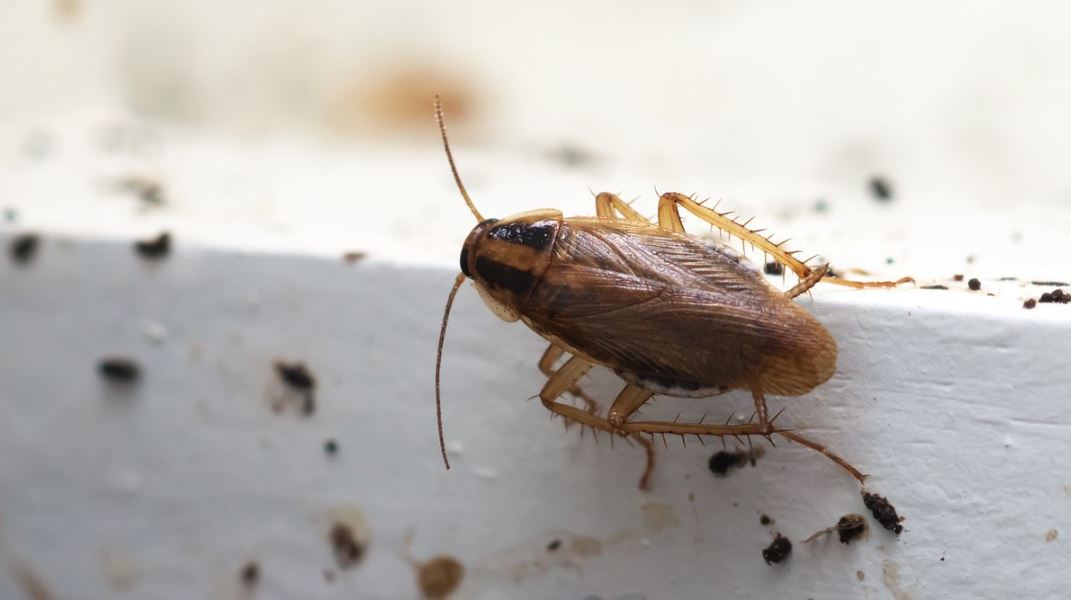
- Cockroaches: Sightings at night, droppings, musty odors, and stains near food storage areas.
- Rodents: Gnaw marks, droppings, scratching sounds in walls or ceilings, chewed wiring.
- Ants: Foraging trails to food or sweet spills; different species have different nesting habits.
- Termites: Hollow-sounding wood, mud tubes near foundations, discarded wings.
- Mosquitoes: Standing water sources, bites and buzzing indoors during evening hours.
- Bed bugs: Small dark spots on sheets, bites in clusters, reddish stains on mattresses.
Prevention strategies and home maintenance checklist
Prevention is central to long-term success. Integrated pest management (IPM) emphasizes non-chemical measures first. Routine maintenance tasks reduce habitat and food sources:
- Seal gaps around doors, windows, plumbing penetrations, and electrical conduits to prevent entry.
- Store food in airtight containers and clean food preparation surfaces promptly.
- Remove standing water and improve drainage; clean gutters and roof drains before monsoon season.
- Manage waste: use closed bins, empty frequently, and keep outdoor bins away from walls.
- Repair leaks and reduce humidity in basements and bathrooms with ventilation or dehumidifiers.
- Perform regular inspections of wooden structures and furniture for signs of termites or wood decay.
Pest Control In Kandivali: Local considerations
Local environmental conditions, building types, and municipal services influence pest control choices. Kandivali has a mix of older buildings and new developments; older structures may have more entry points for rodents and termites. Coordinating with local waste collection schedules and sealing shared access points in apartment complexes can reduce neighborhood-level infestations. For vector-borne disease prevention, refer to guidelines from national public health programmes such as the National Vector Borne Disease Control Programme (NVBDCP) and municipal public health advisories from the Brihanmumbai Municipal Corporation (BMC).
When to call a professional
Small, isolated pest sightings can sometimes be managed with exclusion and sanitation. Professional assistance is recommended when:
- Infestations are extensive or recurring despite preventive measures.
- Structural pests such as termites are suspected; these can cause significant property damage.
- There are concerns about health risks from rodent infestations or vector species.
- Household members include infants, elderly, pregnant people, or others who may be sensitive to chemical treatments.
Choose licensed, insured professionals who explain inspection findings, outline non-chemical options first, and provide clear treatment plans and follow-up schedules.
Safe use of pesticides and regulations
When chemical controls are needed, prioritize targeted, low-toxicity options and follow label instructions. Many public health organizations recommend using pesticides as part of an integrated approach rather than a standalone solution. For authoritative guidance on vector and pesticide management, consult resources from the World Health Organization (WHO): WHO vector-borne disease information. Local regulations and product approvals may vary; check municipal advisories and national pesticide registries before use.
Preparing for seasonal changes
Monsoon and post-monsoon periods often see spikes in insect and rodent activity due to increased moisture and breeding sites. Before the rainy season, inspect and seal entry points, clear leaf litter and debris, and ensure drains are unblocked. After heavy rains, assess for new water accumulation and repair any water-damaged wood or plaster to prevent fungal growth and termite attraction.
Record-keeping and monitoring
Keep simple records of sightings, treatment dates, and measures taken. Monitoring traps and bait stations (where used) help track trends and evaluate whether interventions are effective. Regular reviews inform whether additional preventive work or professional follow-up is needed.
FAQ
How to choose Pest Control In Kandivali services?
Look for licensed providers with local experience, written inspection reports, clear treatment plans that prioritize non-chemical options, and transparent pricing. Request references and confirm follow-up and warranty terms for structural pests like termites.
Are DIY products safe for home use?
Many DIY products can be effective for small problems when used exactly as directed on the label. Store all products out of reach of children and pets, and avoid overuse. For large or sensitive situations, consult a professional.
How can apartment complexes reduce pest problems community-wide?
Community coordination is essential: seal common entry points, maintain shared waste areas, schedule regular inspections, and communicate about preventive measures. Collective action reduces the chance that pests move between units.
What documents or certifications should a pest control company provide?
Request evidence of business licensing, technician training, insurance, and any local registrations. For treatments involving restricted pesticides, ask for details on product labels and safety precautions.
Where to find official local advice on vector control?
Consult municipal public health departments, the Brihanmumbai Municipal Corporation (BMC) advisories, and national programmes such as the NVBDCP for region-specific guidance and notifications.
Following routine prevention, monitoring, and informed professional intervention reduces the likelihood of recurring pest problems and helps protect property and household well-being.