Evidence-Based Guide to Safe Skin Whitening Methods
-

- March 10th, 2026
- 652 views
Interest in safe skin whitening methods stems from a desire to reduce dark spots, even skin tone, or treat conditions such as melasma and post-inflammatory hyperpigmentation. This guide explains medically supported options, a simple decision checklist, and practical steps for safer, longer-lasting results while emphasizing sun protection and professional oversight.
- Detected intent: Informational
- Primary focus: safe skin whitening methods with evidence-based ingredients and procedures
- Use consistent sunscreen, choose proven topical agents (retinoids, azelaic acid, vitamin C), and consult a dermatologist before stronger treatments
- How do topical lightening agents like azelaic acid and kojic acid compare?
- What role does sunscreen play in skin lightening and maintenance?
- When are chemical peels or laser treatments appropriate for hyperpigmentation?
- How to identify and avoid harmful skin-bleaching products?
- What is an effective at-home routine for safe skin brightening?
Safe skin whitening methods: evidence-based options
Understanding terms and causes
Skin whitening or lightening refers to reducing visible hyperpigmentation and evening skin tone by targeting melanin production or promoting cell turnover. Common causes include sun damage, hormonal melasma, and post-inflammatory hyperpigmentation. Effective, safer approaches focus on medically supported ingredients, sun protection, and professional oversight rather than unregulated bleaching agents.
Medically supported topical ingredients
- Sunscreen (daily SPF 30+) — Prevents new pigment formation and is the cornerstone of any lightening plan. Broad-spectrum protection is essential.
- Azelaic acid — Anti-inflammatory agent that reduces pigmentation and is appropriate for sensitive and darker skin tones.
- Topical retinoids (tretinoin, retinaldehyde) — Increase cell turnover, improve pigment dispersion, and enhance penetration of other actives.
- Vitamin C (ascorbic acid) — Antioxidant that inhibits melanin production and brightens skin when formulated at stable pH and concentration.
- Kojic acid and glycolic acid — Useful for exfoliation and inhibition of pigment formation; monitor for irritation.
- Hydroquinone — Effective but controversial; often prescription-strength and recommended for limited-duration use under dermatology supervision to avoid complications. Authoritative guidance on when to consult a clinician is available from dermatology organizations (American Academy of Dermatology).
Procedural options (use medical supervision)
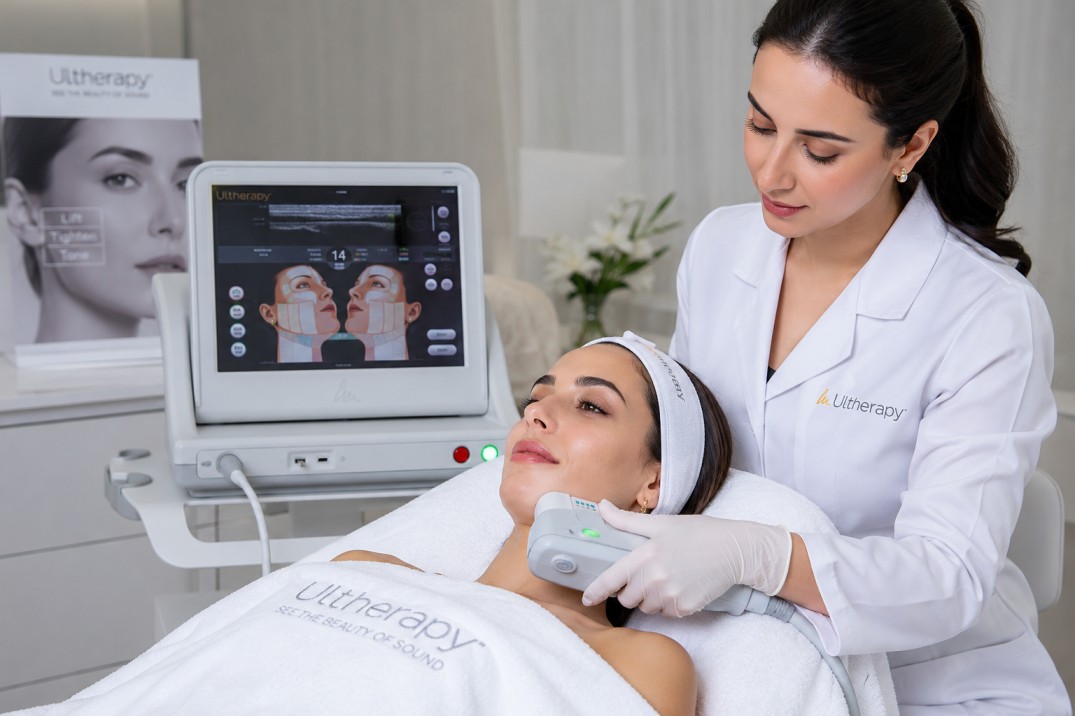
Chemical peels, microdermabrasion, and certain laser/light therapies can be effective but carry higher risk of rebound pigmentation, especially in darker skin tones. These procedures should be performed by qualified providers and followed by strict sun protection and topical maintenance.
CLEAR Checklist for choosing a safe approach
Use the CLEAR checklist before starting any skin brightening plan:
- Consult — Seek evaluation from a dermatologist for diagnosis (melasma vs. post-inflammatory hyperpigmentation).
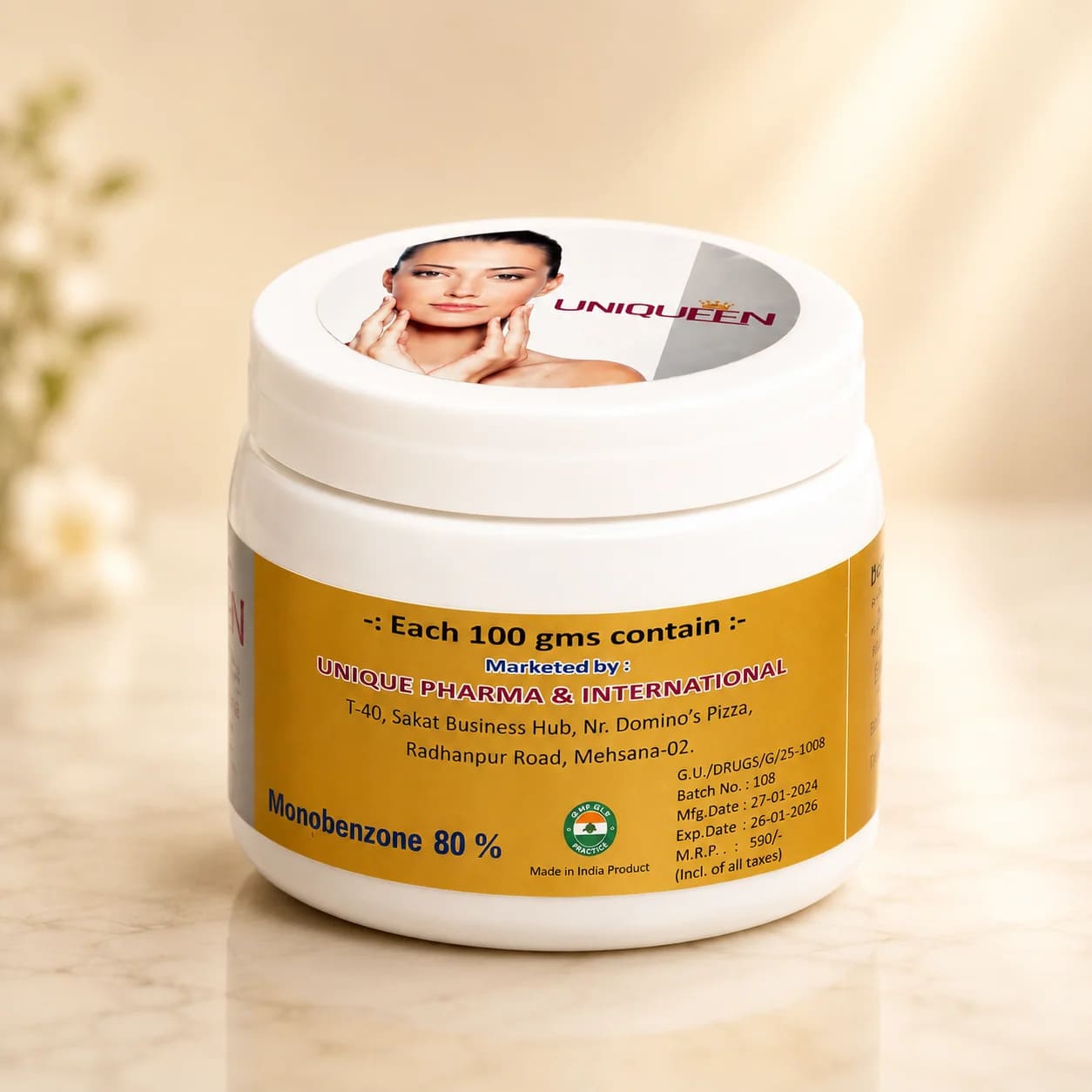
- Limit — Avoid unregulated products containing mercury or high-dose steroids; check ingredient lists.
- Evaluate — Select evidence-based actives (azelaic acid, retinoids, vitamin C) and test for irritation with patch testing.
- Apply — Follow recommended concentrations and layering order: sunscreen, then actives as directed.
- Reassess — Monitor results over 8–12 weeks and adjust with professional guidance.
Real-world example
Scenario: A 35-year-old with hormonally driven melasma wants a safer plan. Recommended path: daily broad-spectrum SPF 50, nightly retinaldehyde alternating with azelaic acid in the morning, add topical vitamin C in the AM under sunscreen, and schedule a dermatologist visit to consider short-term hydroquinone if baseline treatment is insufficient. Regular follow-up every 8–12 weeks can prevent worsening and guide escalation to supervised chemical peels if necessary.
Practical tips for safe skin brightening
- Always apply broad-spectrum sunscreen every morning and reapply when outdoors — sunscreen is the single most important step.
- Introduce one active at a time and allow 4–8 weeks to evaluate effectiveness before adding another.
- Use lower-strength formulas for sensitive skin and consider azelaic acid as a gentle, effective option for many skin types.
- Keep maintenance ongoing; stopping treatment abruptly can allow pigment to return.
Trade-offs and common mistakes
Trade-offs: stronger prescription agents and procedures can yield faster results but increase the risk of irritation, rebound hyperpigmentation, or uneven lightening. Over-the-counter products are gentler but require longer use. Common mistakes include skipping sunscreen, layering multiple actives without guidance, and using products with unlisted or dangerous ingredients (mercury, potent topical steroids).
How to implement a safe at-home routine for skin lightening at home safely
A simple starter routine for most adults: morning — gentle cleanser, vitamin C serum, broad-spectrum sunscreen SPF 30+; evening — gentle cleanser, retinoid (every other night), azelaic acid on alternating nights. Adjust frequency if irritation occurs. Patch-test new products and avoid mixing exfoliating acids with retinoids on the same night.
Core cluster questions (for related articles)
- What is the safest way to treat post-inflammatory hyperpigmentation?
- Which topical ingredients work best for melasma?
- How often should chemical peels be performed for pigmentation?
- How to identify harmful skin bleaching products?
- What is the role of daily sunscreen in preventing recurrence of dark spots?
FAQ
Are safe skin whitening methods suitable for all skin types?
Many evidence-based options—like azelaic acid, vitamin C, and sunscreen—are suitable across skin types, but darker skin tones require extra caution with procedures and strong agents to avoid rebound pigmentation. Professional evaluation is recommended.
How long until results appear with topical lightening agents?
Expect to see measurable improvement in 8–12 weeks for most topical regimens. Full benefit can take several months; adherence and sun protection are critical to outcomes.
Are over-the-counter products effective for safe skin brightening ingredients?
Over-the-counter formulations with stable vitamin C, azelaic acid, and mild exfoliants can be effective for mild pigmentation. Prescription-strength retinoids or hydroquinone may be needed for stubborn cases under dermatology supervision.
How to avoid harmful skin-bleaching products?
Check labels for banned ingredients (mercury) or unapproved high-potency steroids, buy from reputable sources, and consult a dermatologist when in doubt. If a product causes burning, diffuse redness, or rapid lightening, discontinue use and seek medical advice.
When is it appropriate to see a dermatologist about skin whitening?
See a dermatologist for persistent or worsening pigmentation, before starting prescription agents (like hydroquinone), prior to procedures, or if at-home treatments cause irritation. Professional assessment improves safety and results.