Underarm Whitening Treatment: Safe, Practical Steps to Lighten Dark Armpits
-

- Published Updated
- 689 views
Dark underarms are a common concern and an underarm whitening treatment can help reduce visible hyperpigmentation when approached safely. This guide explains why armpits darken, which treatments and routines work in everyday settings, and how to avoid irritation while improving tone over weeks.
This article gives a step-by-step, evidence-informed plan for underarm whitening treatment, a named CLEAR checklist for daily care, practical tips, common mistakes, and a short example scenario. Detected intent: Informational
underarm whitening treatment: why armpits darken and what works
Underarm hyperpigmentation often results from friction, shaving-related irritation, buildup from deodorants or antiperspirants, post-inflammatory hyperpigmentation, or increased melanin production. Treatments that reduce pigment production, improve cell turnover, and remove surface buildup are effective approaches. The most accessible options include topical acids (like glycolic or lactic acid), lightening agents (niacinamide, kojic acid, azelaic acid), gentle exfoliation, and modifying grooming and product choices.
CLEAR Underarm Care Checklist (a practical framework)
Use the CLEAR checklist to structure any underarm whitening treatment routine. Follow each item consistently for 6–12 weeks before judging progress.
- Cleanse: Use a gentle, non-irritating cleanser to remove sweat and product build-up daily.
- Lighten: Apply targeted lightening actives (e.g., niacinamide, azelaic acid, kojic acid) as tolerated.
- Exfoliate (mild): Use chemical exfoliants (low concentration glycolic or lactic acid) 1–2 times weekly to speed cell turnover.
- Avoid irritants: Stop aggressive shaving; switch to a sensitive formula deodorant; avoid harsh scrubs and depilatory creams that sting.
- Reassess & protect: Track changes, reduce frequency if irritation appears, and protect skin by choosing breathable clothing.
Step-by-step underarm whitening treatment routine
Follow these steps for a conservative, low-risk regimen suitable for most people. Patch-test any active for 48 hours before full use.
- Daily cleanse: Use lukewarm water and a mild soap or syndet. Pat dry — do not rub.
- Introduce a lightening serum: Apply a product containing niacinamide 2–5% or azelaic acid 10% at night. Start every other night.
- Mild chemical exfoliation: Use a 4–10% glycolic or lactic acid wipe once weekly to remove dead skin; increase to 1–2 times weekly if no irritation.
- Switch grooming habits: Replace daily shaving with trimming, waxing, or a guided hair removal option if suitable. If shaving continues, use a clean, sharp razor and shave in the direction of hair growth with a lubricant.
- Review products: Choose aluminum-free deodorants if antiperspirants cause irritation. Avoid perfumes or high-alcohol formulas immediately after exfoliation.
- Evaluate after 6–8 weeks: Progress is gradual; record photos and decrease or stop actives if redness or burning appears.
how to lighten armpits naturally: realistic expectations
Natural approaches—avoiding irritants, regular gentle exfoliation with household acids like diluted apple cider vinegar or yogurt masks—can help mild cases by reducing surface buildup and inflammation. However, natural remedies are slower and less predictable than regulated topical agents; persistent hyperpigmentation often needs targeted actives or professional treatments.
underarm hyperpigmentation treatment options and trade-offs
Common options include topical lightening agents, chemical peels, laser therapies, and bleaching creams. Trade-offs include:
- Topicals (niacinamide, azelaic acid): Low irritation risk, gradual results, inexpensive.
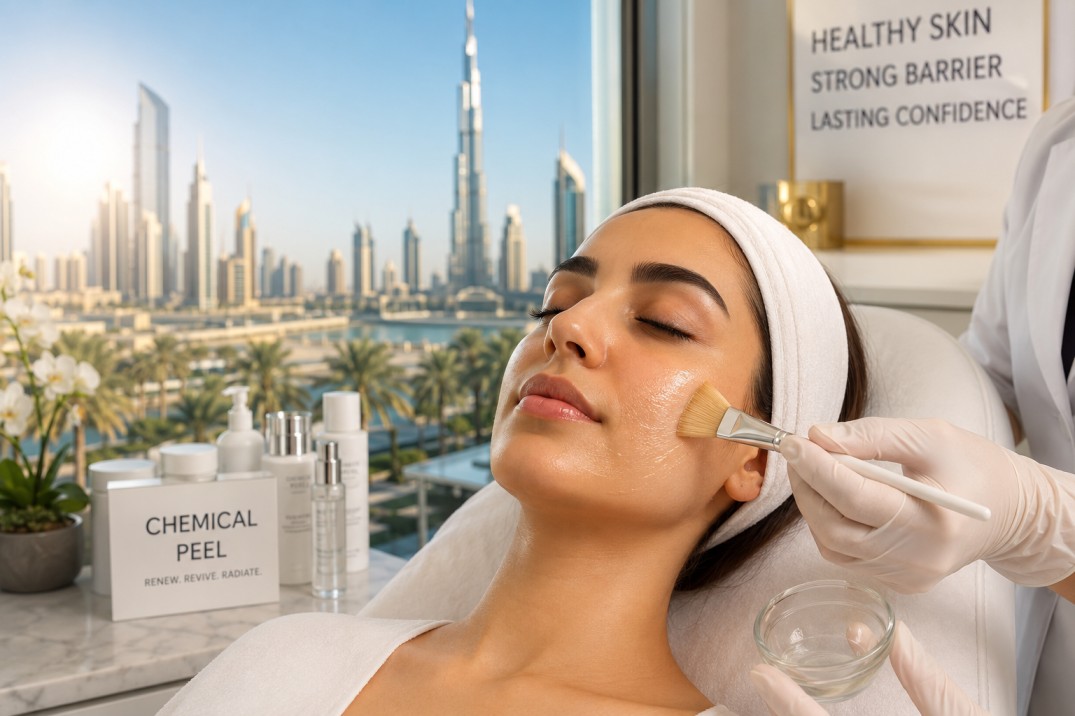
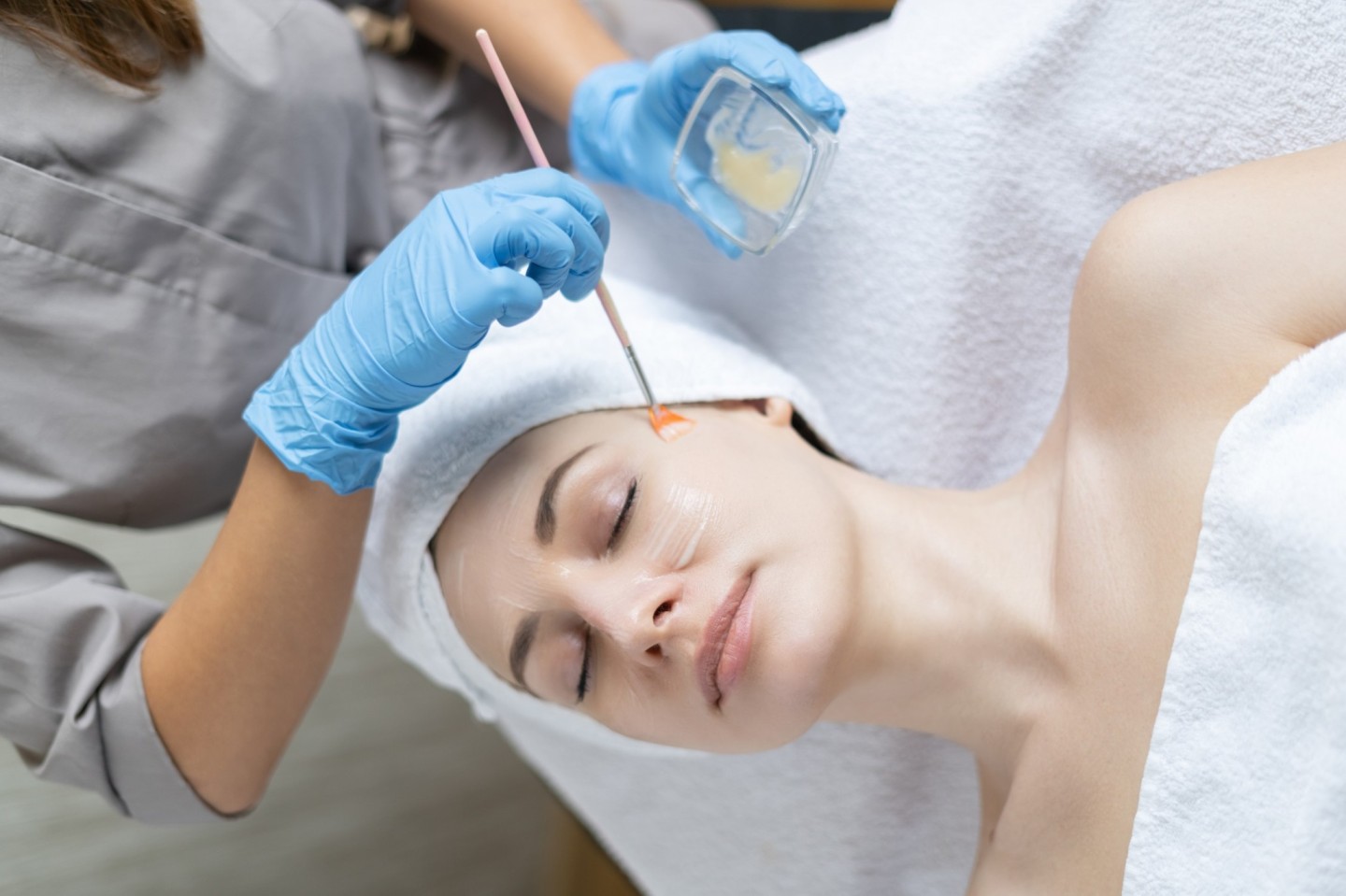
- Chemical peels (superficial glycolic or lactic): Faster results but higher risk of irritation and post-inflammatory pigment changes if not done carefully.
- Lasers and professional procedures: Can be effective for stubborn cases but costlier and require a trained clinician to reduce complication risks.
Common mistakes that slow progress or cause setbacks
- Over-exfoliating: Daily scrubs or frequent peels can damage the barrier and worsen pigmentation.
- Ignoring irritation: Continuing an active while noticing redness or stinging can escalate damage and pigment.
- Using multiple strong actives at once: Combining high-strength acids with bleaching agents increases risk of burns and rebound darkening.
- Not patch-testing: Skipping a patch test increases the chance of allergic reactions.
Practical tips for faster, safer results
- Start slow: Introduce one active at a time and give 2–4 weeks to assess reaction.
- Patch test every product: Apply on a small underarm area for 48 hours before full use.
- Moisturize: A fragrance-free moisturizer with ceramides or glycerin supports skin barrier recovery after exfoliation.
- Stay consistent: Visible improvement typically appears after 6–12 weeks with steady routines.
- See a dermatologist for persistent or worsening pigmentation, sudden changes, or suspected skin conditions.
Real-world example: a practical scenario
A 28-year-old who noticed darkening after frequent shaving switched to the CLEAR checklist: began cleansing with a mild soap, applied niacinamide serum every other night, used a glycolic wipe once weekly, and changed to an aluminum-free deodorant. After eight weeks the tone appeared more even, and irritation was minimal. Progress continued slowly; persistent deeper pigment later required evaluation by a clinician.
For clinical guidance on when to seek professional care, consult dermatology resources such as the American Academy of Dermatology which outlines best practices for diagnosing and treating hyperpigmentation.
Core cluster questions (for related content)
- What causes underarm darkening and how can it be prevented?
- Which topical ingredients lighten hyperpigmentation safely?
- How often should chemical exfoliation be used on underarm skin?
- When should professional treatments (peels, lasers) be considered?
- How to modify grooming and product choices to avoid underarm irritation?
Tracking progress and safety checklist
Measure changes with photos taken in the same lighting every 2–4 weeks. Use this mini-checklist weekly:
- Any new redness, burning, or itching? If yes, stop actives and re-evaluate.
- Are products being used as instructed (frequency, amount)?
- Has grooming technique or product changed recently?
- Is improvement slow but consistent after 6–8 weeks?
FAQ
Is underarm whitening treatment safe?
When approached conservatively—using low-concentration actives, patch-testing, and avoiding repeated harsh procedures—underarm whitening treatment is generally safe. Professional evaluation is recommended for severe pigment changes or if irritation occurs.
How long does it take to see results from an underarm whitening treatment?
Expect initial improvement in 6–8 weeks, with more noticeable results after 3 months of consistent care. Speed depends on cause, treatment strength, and adherence to the routine.
Can shaving make underarm darkening worse?
Yes. Shaving can cause micro-abrasions and post-inflammatory hyperpigmentation. Alternatives include trimming, waxing (if tolerated), or careful shaving with lubrication and a clean blade.
What should be avoided during treatment?
Avoid aggressive scrubs, high-concentration acids used too frequently, fragranced products that sting, and mixing multiple strong actives without guidance.
When to see a dermatologist about dark underarms?
Seek medical advice if pigmentation appeared suddenly, is worsening despite conservative care, is accompanied by pain or discharge, or if home treatments cause persistent irritation. A clinician can assess for conditions like acanthosis nigricans or other dermatologic causes.