Complete School Readiness Checklist for Preschool and Kindergarten Success
-

- Published Updated
- 408 views

A practical school readiness checklist helps caregivers and educators assess whether a child is ready for preschool or kindergarten, highlighting skills across social, emotional, language, cognitive, and self-help domains. Use this checklist to identify strengths, target practice areas, and plan a simple transition strategy.
- Use the READY checklist to evaluate routines, emotions, academics, daily skills, and curiosity.
- Assess five developmental domains: social-emotional, language, cognitive, motor, and self-care.
- Follow the step-by-step assessment, apply practical tips, and avoid common mistakes like comparing to peers or relying on single observations.
school readiness checklist: the READY framework
The READY checklist is a compact framework designed for quick, repeatable checks. It organizes observable signs into five easy categories so the assessment can be used at home, in preschool intake, or by teachers during orientation.
READY checklist elements
- Routines — Can the child follow a simple daily routine (sleep, meals, dressing, backpack)?
- Emotions & social skills — Can the child manage feelings, take turns, and separate briefly from caregivers?
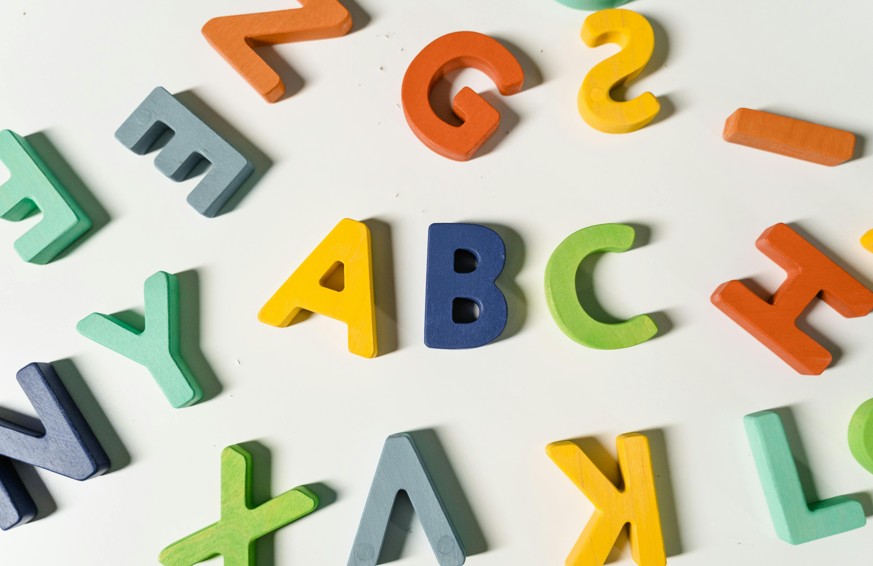
- Academics (foundational) — Does the child recognize letters, count to 10, and follow two-step directions?
- Daily self-care — Can the child use the toilet reliably, zip or snap clothing, and eat independently?
- Yearning to learn — Is the child curious, able to focus on short activities, and ask questions?
How to use the preschool readiness assessment step-by-step
1. Observe in two settings
Watch the child in a familiar setting (home) and a slightly new one (playgroup or short class). Note consistent behaviors rather than isolated incidents.
2. Record simple indicators
Score each READY item as: Emerging / Developing / Consistent. For example, mark "independent dressing" as Emerging if the child can manage with occasional help.
3. Compare to developmental domains
Map READY results to the five developmental domains: social-emotional, language, cognitive, motor, and adaptive/self-help. Refer to recognized milestone checklists (for example, the CDC milestone guides) for age-appropriate expectations: CDC developmental milestones.
Checklist items by domain (preschool readiness assessment and kindergarten readiness skills)
Social-emotional
- Plays near or with peers, shares toys sometimes.
- Separates from primary caregiver for short periods with limited distress.
- Shows basic emotion control for brief frustrations.
Language and communication
- Uses sentences of 4–6 words, follows two-step instructions.
- Labels common objects, asks and answers simple questions.
Cognitive and pre-academic
- Recognizes some letters and numbers, can match shapes and sort by category.
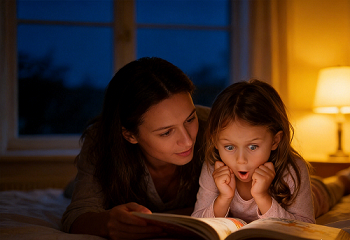
- Shows interest in books and can sit for short story time.
Motor and self-help (early childhood development checklist)
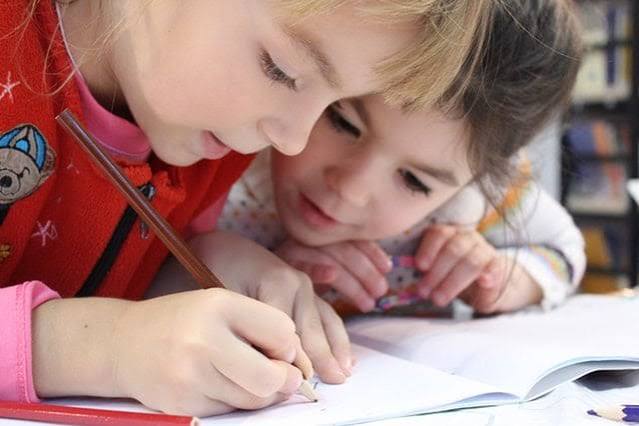
- Fine motor: holds pencil, turns pages, stacks blocks.
- Gross motor: runs, jumps, climbs safely.
- Self-help: uses toilet most of the time, manages simple clothing fasteners.
Practical tips for using the checklist
- Conduct brief checks over a week rather than a single test—consistency reveals true readiness.
- Use play-based prompts: reading time, block play, snack routines, and simple art activities reveal multiple skills at once.
- Share results with the preschool or kindergarten teacher to align expectations and support plans.
- Track progress with a simple daily log for two to four weeks to measure growth before school starts.
Common mistakes and trade-offs
Common mistakes
- Over-reliance on academic checks only—social and self-help skills are equally important for a smooth transition.
- Comparing a child to peers without accounting for temperament, language background, or prior care settings.
- Using a single snapshot observation rather than multiple observations across settings.
Trade-offs
Prioritizing independence (self-help) may take time away from specific academic practice, but independence reduces daily stress and supports learning. Intensive academic drills can raise short-term scores but may increase resistance; balanced, play-based practice tends to produce more sustainable readiness.
Short real-world example
A four-year-old who struggles to separate from a parent but can follow classroom routines after a gradual, three-week introduction shows strong routine and academic signs but needs targeted social-emotional supports. A plan that adds short, supervised separations and peer play twice weekly improved separation ease and classroom engagement within a month.
FAQ
What is a school readiness checklist and why use one?
A school readiness checklist is a structured tool to assess a child's readiness across multiple domains. It identifies specific skills to practice before preschool or kindergarten and helps caregivers and teachers set realistic, measurable goals.
How often should a preschool readiness assessment be done?
Repeat the checklist every 2–3 months during the year before school to track progress and adjust routines or supports.
When should a caregiver seek professional evaluation?
Seek an evaluation if multiple items are in the Emerging category after consistent practice, or if there are concerns about speech, motor skills, or social engagement. Early intervention services and pediatric guidance can clarify next steps.
Can play at home replace formal preschool preparation?
High-quality, intentional play at home that targets language, turn-taking, fine motor tasks, and self-help routines provides strong preparation and often complements formal preschool experiences.
How to involve teachers in using the checklist?
Share observations and the READY checklist during orientation or intake meetings. Teachers can adapt classroom routines and provide targeted supports for identified areas without labeling the child.