Skin Boosters in Dubai: How They Reduce Wrinkles and Rejuvenate Skin
-

- Published Updated
- 1,451 views
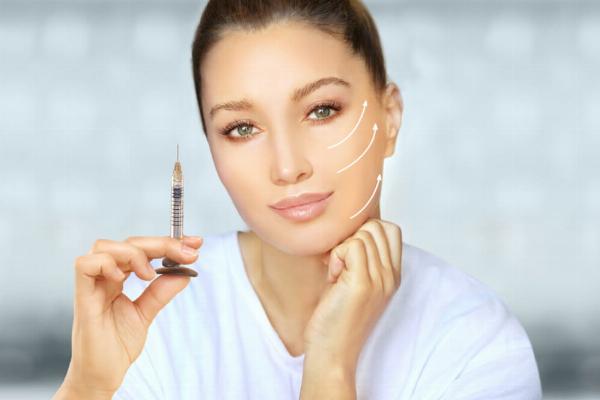
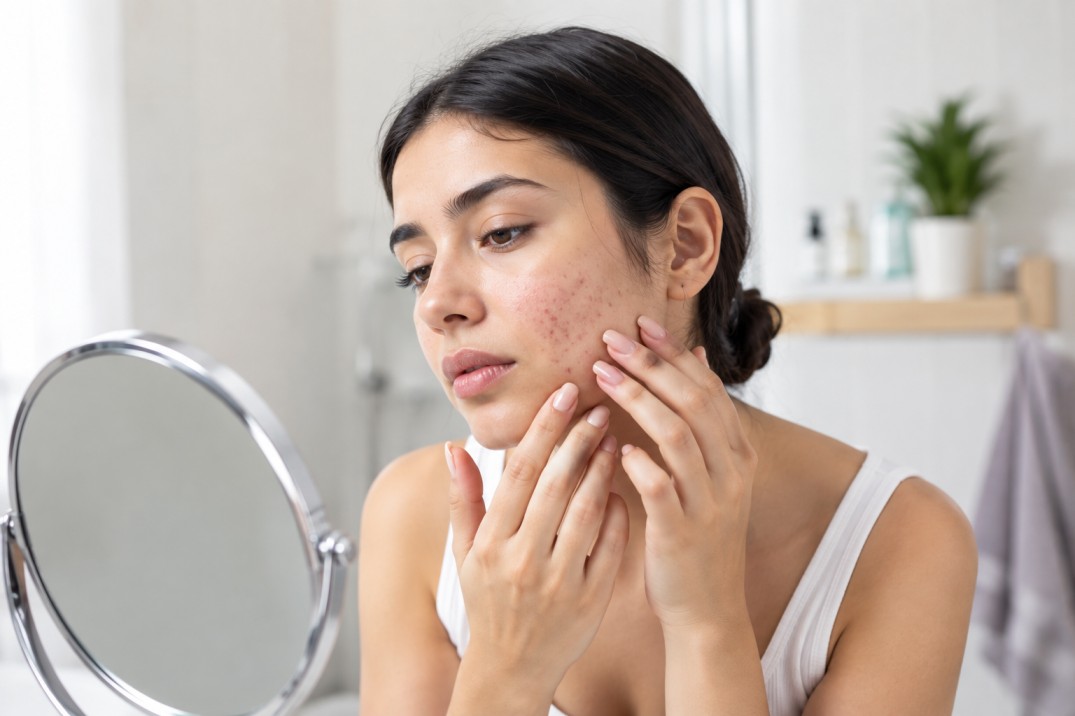
Skin boosters are minimally invasive treatments used in Dubai and worldwide to improve skin hydration, texture, and elasticity and help combat wrinkles without the volumizing effect of traditional fillers. Popular in aesthetic clinics across the city, these procedures target fine lines and skin quality on the face, neck, and hands.
- Skin boosters use microinjections of hydrating or bio-stimulatory substances to improve skin quality and reduce fine wrinkles.
- Treatments commonly use hyaluronic acid or biostimulatory agents; effects differ from traditional dermal fillers.
- Safety depends on product selection, practitioner skill, and clinic standards; local regulators set practice requirements.
- Multiple sessions and periodic maintenance are usually needed for lasting results.
What are skin boosters?
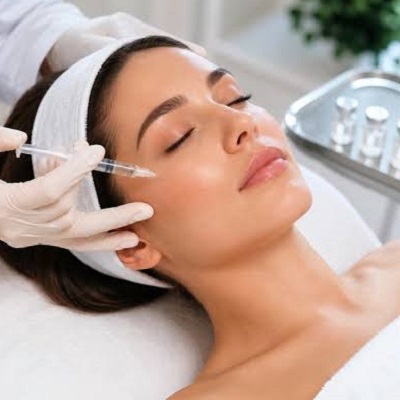
Skin boosters are a category of aesthetic treatments delivered by injection into the superficial or mid-dermis to improve hydration, firmness, and surface smoothness. Rather than adding volume like traditional dermal fillers, skin boosters focus on enhancing skin quality by attracting moisture and stimulating collagen production. Common formulations include micro-dosed hyaluronic acid and bio-stimulatory agents such as poly-L-lactic acid or certain calcium-based products, applied in a series of microinjections or via techniques like microdroplet injection.
Types and formulations
Typical formulations fall into two groups: hygroscopic agents (for example, low‑molecular‑weight hyaluronic acid) that hydrate and plump the skin, and biostimulators that encourage collagen remodeling over time. Selection depends on treatment goals, skin type, and the anatomical area being treated.
Areas commonly treated
Common target areas include periocular (around the eyes), cheeks, nasolabial area, neck, décolletage, and the backs of the hands. Injection depth and technique vary by site and product.
How skin boosters work to reduce wrinkles
Skin boosters reduce the appearance of fine lines and superficial wrinkles through two primary mechanisms: immediate tissue hydration and longer-term stimulation of the skin's structural proteins. Hydrophilic agents attract and retain water within the dermis, improving turgor and smoothing fine lines. Biostimulatory agents trigger a controlled inflammatory response that promotes collagen and elastin synthesis, leading to gradual improvement in skin firmness and elasticity.
Difference from dermal fillers
Dermal fillers are designed to replace volume and reshape facial contours; skin boosters are intended to improve skin quality without significant volumizing. The distinction matters when choosing treatment for static deep folds (often better addressed with fillers) versus diffuse surface lines and skin laxity (often suited to skin boosters).
Expected timeline and outcomes
Immediate effects often include improved hydration and smoother texture. Biostimulatory improvements generally appear over weeks to months as new collagen forms. Multiple initial sessions spaced several weeks apart are common, followed by maintenance treatments every few months to a year depending on the product and individual response.
Safety, side effects and regulatory context
Safety depends on product quality, correct technique, and practitioner qualification. Common transient side effects include redness, swelling, bruising, and small lumps at injection sites. Less common risks include infection, allergic reactions, or poor aesthetic outcome. Serious vascular complications are rare but have been reported with injectable aesthetic procedures.
Regulatory and practice standards
In the United Arab Emirates, regulatory oversight such as the Dubai Health Authority (DHA) and the Ministry of Health and Prevention (MOHAP) set licensing and facility standards for aesthetic procedures. Internationally recognized dermatology organizations provide clinical guidance on injectable treatments. For general regulatory information on dermal injectable products, refer to the U.S. Food and Drug Administration guidance on dermal fillers and related devices: FDA: Dermal Fillers.
Minimizing risk
Risk reduction strategies include using licensed products approved for the intended indication, performing procedures in accredited clinical settings, ensuring practitioners have medical training and injection experience, and following sterile technique and appropriate aftercare protocols.
Choosing a clinic or practitioner in Dubai
Credentials and clinic standards
Select clinics that display valid licensure and accreditation. Confirm that the practitioner is a licensed physician with training in dermatology or plastic surgery or a recognized medical specialty that covers injectable procedures. Facilities should offer pre-treatment consultations, consent documentation, and clear aftercare instructions.
Questions to ask before treatment
- Which product is being used and is it approved for this indication?
- What training and experience does the injector have with this specific technique?
- What are the expected benefits, limitations, costs, and potential side effects?
- Is there a documented treatment plan, including maintenance sessions?
Treatment course, maintenance and realistic expectations
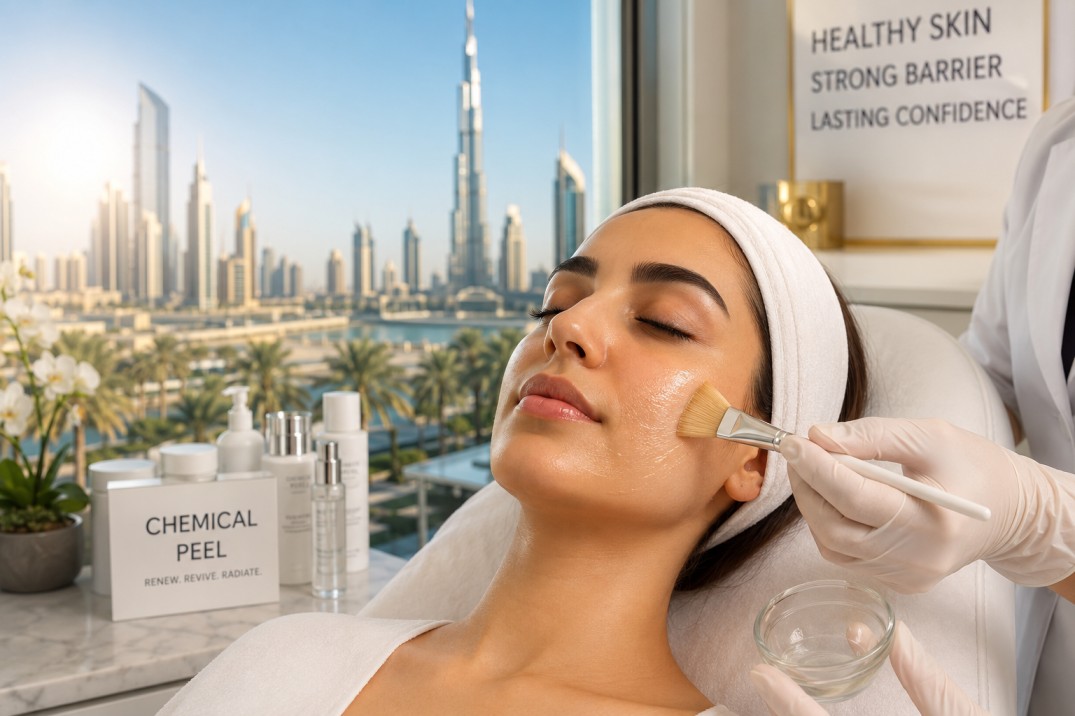
Most skin booster regimens begin with a series of treatments spaced two to four weeks apart, followed by periodic touch-ups. Results vary by product, skin condition, and lifestyle factors. Combining skin boosters with complementary noninvasive procedures—such as medical-grade skincare, sunscreen, or professional resurfacing techniques—can enhance and prolong outcomes. Realistic expectations and clear communication with the practitioner improve satisfaction.
Who is a candidate?
Individuals seeking improvement in skin texture, hydration, and mild to moderate superficial lines are common candidates. Those with certain medical conditions, active skin infections, or specific allergies may be advised against treatment. A medical assessment during consultation determines suitability.
Cost considerations
Costs depend on product type, number of sessions, clinic location, and practitioner expertise. Price should not be the sole deciding factor; safety, product provenance, and clinical experience are primary considerations.
Evidence and sources
Clinical literature in journals such as the Journal of Cosmetic Dermatology and consensus statements from dermatology societies discuss outcomes and safety profiles for injectable skin quality treatments. Local regulatory bodies like the Dubai Health Authority provide facility and practitioner standards to help patients make informed choices.
Frequently asked questions
Are skin boosters safe?
When administered by a qualified medical professional using approved products and proper technique, skin boosters have a generally favorable safety profile. Common short-term effects include redness and swelling; serious complications are uncommon. Prior medical evaluation and treatment in an accredited clinic reduce risk.
How long do results from skin boosters last?
Duration varies by product and individual factors. Hydrating treatments may show visible improvement for several months, while biostimulatory effects can last longer but usually require periodic maintenance to sustain results.
Can skin boosters eliminate deep wrinkles?
Skin boosters are most effective for fine lines and overall skin quality improvement. Deep static wrinkles often require volume restoration with dermal fillers or surgical options; a practitioner can recommend combined or alternative approaches based on assessment.
What should be expected during recovery?
Downtime is usually minimal. Mild swelling and bruising can occur and typically resolve within days to a week. Specific aftercare instructions vary by product and clinic.
How to verify clinic credentials in Dubai?
Confirm licensing and accreditation with local authorities such as the Dubai Health Authority (DHA) or the Ministry of Health and Prevention (MOHAP). Request practitioner qualifications and inquire about clinic accreditation during the consultation.
For further reading, professional society guidelines and peer-reviewed journals provide detailed clinical evidence and safety data on injectable skin treatments.