Practical Skin Tag Removal Treatment: Safe, Simple Steps and Checklist
-

- March 02nd, 2026
- 1,188 views

FREE SEO Topical Map Generator: Find Your Next Content Ideas
Skin tag removal treatment can be simple and safe when an appropriate method is chosen for the size, location, and type of growth. This guide explains practical options, a safety checklist, and step-by-step actions for common situations.
Quick take: Most skin tags (acrochordons) are harmless. Decide between at-home care and professional removal based on size, symptoms, and diagnostic uncertainty. Use the SAFE Checklist below before any procedure. Detected intent: Procedural.
What is skin tag removal treatment and when is it needed?
Skin tag removal treatment refers to the methods used to remove benign, soft growths of skin called skin tags. Common triggers for removal are irritation from clothing or jewelry, cosmetic concerns, bleeding, or rapid change. Although most skin tags are harmless, lesions that change in color, size, or bleed should be evaluated by a clinician to exclude other skin conditions.
Common removal methods and how they work
Cryotherapy (freezing)
Cryotherapy uses liquid nitrogen or a cold spray to freeze and destroy the skin tag. It is quick and commonly offered in dermatology or primary care clinics. Expect some blistering, crusting, and a short healing period.
Excision and snip removal
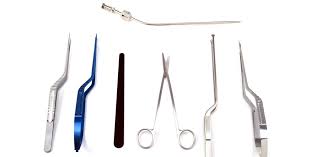
Sharp excision with scissors or a scalpel removes the tag at the base. Local anesthetic is typically used for larger tags. This method gives tissue that can be sent for pathology if there is diagnostic uncertainty.
Cautery and electrosurgery
Electrocautery burns the tag off using heat. It seals small blood vessels, reducing immediate bleeding. Slightly higher risk of scar or pigment change exists compared with freezing for some skin types.
Ligation (cutting blood supply)
Ligation ties off the base of the tag with thread or a band to cut off blood flow, causing the tag to fall off over days. Often used for small stalked tags; not recommended if the diagnosis is uncertain.
At-home approaches and over-the-counter options
Over-the-counter products and home remedies marketed for skin tag removal exist, but effectiveness varies. Safe at-home removal is more appropriate for small, clearly benign tags in low-risk locations. Caution: DIY methods carry risks of infection, scarring, and misdiagnosis. If in doubt, consult a clinician.
SAFE Checklist for safe skin tag removal (named framework)
- Spot-check: Confirm the growth looks like a typical skin tag (soft, flesh-colored, on a narrow stalk). If unusual, seek evaluation.
- Assess risks: Size, location (face, eyelid, genitals), bleeding tendency, medical conditions (diabetes), and medications (blood thinners).
- Fit the method: Choose freezing, snip excision, cautery, or ligation based on assessment and provider skill.
- Explain aftercare: Keep the area clean, watch for signs of infection, and follow wound care instructions to minimize scarring.
Step-by-step: How to prepare for and perform a typical professional removal
Before any procedure, an accurate diagnosis is the priority. For most clinic removals:
- Clean the area and assess the lesion; a biopsy may be done if worried about atypical features.
- For excision or cautery: apply local anesthetic.
- Remove the tag using the chosen method (snip, cautery, cryotherapy or ligation).
- Apply dressing, give wound-care instructions, and schedule follow-up if needed.
Practical tips for choosing a method
- For very small, stalked tags in non-sensitive areas, ligation or cryotherapy is often sufficient.
- For larger tags, those with a broad base, or tags in cosmetically sensitive areas, excision by a trained clinician reduces scarring and allows pathology if needed.
- Avoid DIY cutting or unsterile procedures; infection risk increases with poor technique.
Trade-offs and common mistakes
Trade-offs depend on priorities: speed and convenience (cryotherapy or at-home methods) vs minimal scarring and diagnostic certainty (excision with pathology). Common mistakes include misidentifying lesions, attempting to remove tags that are actually pigmented lesions or moles, and neglecting aftercare—these can cause infection or unnecessary scarring.
Short real-world example
Scenario: A 45-year-old has a 4 mm soft tag on the neck that becomes irritated by shirt collars. After visual assessment by a clinician who notes no suspicious features, the tag is removed with snip excision under local anesthetic. The site is dressed and heals with minimal scarring within two weeks. This approach provided quick relief and allowed the clinician to confirm the benign diagnosis.
Core cluster questions (for internal linking or further articles)
- How long does a skin tag take to heal after removal?
- What are the safest at-home skin tag removal techniques?
- When should a skin tag be evaluated by a dermatologist?
- What are the scarring risks after different removal methods?
- How to care for the wound after skin tag excision?
Authority and safety reference
For clinical guidance on benign skin growths and when to seek care, refer to dermatology resources such as the American Academy of Dermatology: https://www.aad.org/public/diseases/a-z/skin-tags.
Practical aftercare tips
- Keep the area clean and dry; change dressings as instructed to reduce infection risk.
- Avoid strenuous activity that stretches the skin near the removal site for the first few days.
- Use sunscreen on healing skin to reduce the chance of darkening (post-inflammatory hyperpigmentation).
- If bleeding, persistent pain, increasing redness, or pus appears, seek medical advice promptly.
Final considerations
Choosing a skin tag removal treatment should be based on lesion appearance, patient health, and tolerance for scarring or downtime. When any uncertainty exists, prioritize professional evaluation to rule out other conditions and to select the safest method.
FAQ: Is skin tag removal treatment painful?
Most professional procedures use local anesthetic for excision or cautery and are minimally painful. Cryotherapy and ligation can cause brief discomfort. Post-procedure soreness is usually mild and manageable with over-the-counter pain relief when appropriate.
FAQ: Can skin tags be removed at home safely?
Small, clearly benign skin tags in non-sensitive areas may be removed at home with over-the-counter products designed for that purpose, but those methods carry higher risks of infection and scarring than clinic procedures. Do not attempt removal if the lesion is unusual, located on the face or genitals, or if there is any doubt about diagnosis.
FAQ: How to prevent new skin tags from forming?
There is no guaranteed prevention. Maintaining healthy weight, reducing skin friction, and managing conditions such as insulin resistance can lower risk. Regular skin checks with a clinician can catch new lesions early.
FAQ: When should a doctor evaluate a skin tag?
Seek evaluation if the growth bleeds, changes color, rapidly enlarges, becomes painful, or looks different from other tags. Also consult a clinician before removing tags in sensitive locations or if taking blood-thinning medication.
FAQ: What are the long-term results of skin tag removal treatment?
Most removals are final for the treated spot, but new skin tags can appear elsewhere. Scarring is usually minimal with proper technique, though risk varies by method and individual skin characteristics.
Related Posts