Smart Appliance Organization: Simple Steps to Declutter and Optimize Kitchen & Laundry
-

- February 23rd, 2026
- 1,421 views
Organizing your appliances can reduce countertop clutter, improve workflow in the kitchen and laundry areas, and extend the useful life of devices. This guide explains step-by-step strategies for sorting, storing, maintaining, and responsibly disposing of small and large appliances to create a more functional home.
- Sort appliances by frequency of use and function.
- Use dedicated storage zones, vertical space, and removable trays for access and safety.
- Maintain appliances with simple cleaning and inspection routines to extend life.
- Donate, recycle, or dispose of appliances through local programs and follow safety guidelines.
Why declutter appliances matters
Excess or poorly stored appliances can reduce usable workspace, create safety hazards, and increase wear from improper storage. Efficient organization supports better meal preparation, faster laundry cycles, and safer storage. Many municipal and national agencies, including the U.S. Environmental Protection Agency (EPA) and the Consumer Product Safety Commission (CPSC), provide guidance on safe disposal and recall notices that affect how appliances should be managed at the end of their life.
Practical Steps for organizing your appliances
1. Inventory and sort
Begin by listing all appliances in each room: countertop devices, built-in units, portable tools, and seasonal equipment. Group items into categories such as daily use, occasional use, seasonal, and broken or obsolete. This inventory clarifies which items must remain accessible and which can be removed or stored long-term.
2. Decide what to keep, donate, or recycle
Use simple criteria: function, condition, frequency of use, and redundancy. Appliances with persistent faults, safety recalls, or costly repairs may be better recycled. For donation, ensure items are clean and functioning; many local charities and social services accept working small appliances. When recycling or disposing of large or electronic appliances, consult local waste-management guidelines and manufacturer recommendations. For general information on electronics and appliance recycling, refer to official resources such as the U.S. EPA recycling guidance (EPA: Recycling Basics).
3. Create functional zones
Designate areas for specific tasks: a coffee/tea station, toaster and breakfast area, food prep zone, baking supplies, and a cleaning appliance station. In laundry rooms, allocate space for detergent, stain removers, and an ironing or folding area. Keeping related appliances and supplies together reduces movement and saves time.
4. Maximize storage and access
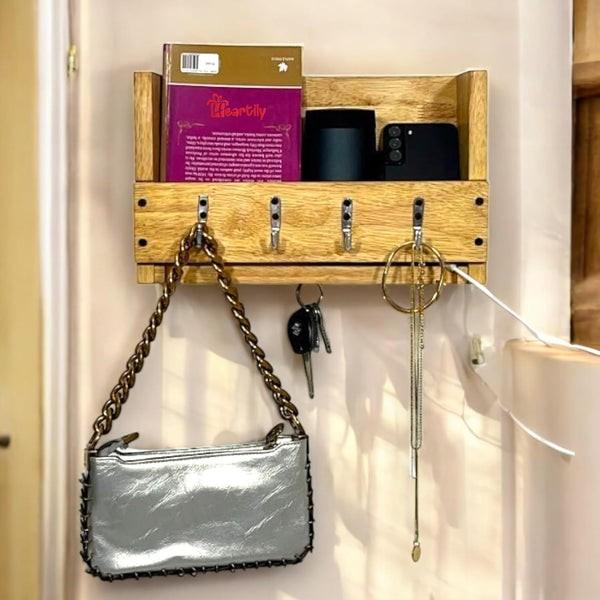
Use vertical storage solutions such as wall-mounted racks, pegboards, and shelves to free countertops. Pull-out drawers, appliance garages, and rolling carts provide flexible access for heavier items. Store frequently used appliances at eye level or within arm's reach; place rarely used or seasonal machines on higher shelves or in labeled bins.
5. Protect appliances during storage
Use breathable covers or fabric wraps for stored appliances to prevent dust buildup. Keep cords coiled and secured with ties to avoid tangles and damage. For motorized or electronic devices, store in a climate-controlled area away from moisture and extreme temperatures.
6. Safety and maintenance
Follow safety guidance from regulators such as the Consumer Product Safety Commission: unplug appliances when not in use, inspect cords periodically for fraying, and keep vents clear to reduce fire risk. Regular cleaning and descaling improve performance and efficiency. Maintain a simple schedule for inspection and cleaning—monthly for daily-use items, and seasonal for less-used appliances.
Disposal, recycling, and donation options
1. Donation and reuse
Functional appliances can be donated to charities, shelters, or community reuse centers. Verify acceptance policies before dropping off items, as some organizations accept only specific appliances or require a working condition.
2. Recycling and hazardous components
Many appliances contain metals, electronics, and refrigerants that require specialized handling. Contact municipal solid-waste or electronic-waste programs for drop-off sites and scheduled pickup. Some manufacturers and retailers offer take-back or trade-in programs; check local regulations for proper disposal of refrigerants and batteries.
3. Certified repair and refurbishment
Consider certified repair or refurbishment for appliances with minor faults. Extending an appliance's usable life can reduce waste and save money. For recalled items or safety notices, consult regulator websites to verify whether an appliance should be returned or repaired under a recall program.
Organizational tools and small investments that help
Drawer dividers, labeled bins, stackable containers, cord organizers, and adjustable shelving are cost-effective solutions that deliver immediate benefits. Investing in one or two storage upgrades often improves long-term usability and prevents future clutter.
Measuring success and keeping clutter under control
Track changes by noting countertop and storage usage before and after reorganization. A simple rule: if an appliance has not been used in six months and is not seasonal or necessary for emergency use, evaluate it for donation or recycling. Schedule a short quarterly review to maintain the system and address new items.
Further guidance from official sources
For disposal and recycling specifics, consult local municipal programs and national regulatory guidance. Federal agencies and consumer safety regulators publish notices and recommendations relevant to appliance safety and end-of-life handling.
FAQ
How can someone start organizing your appliances with limited space?
Begin by prioritizing appliances by frequency of use. Store daily essentials within easy reach and relocate seldom-used items to higher shelves or storage closets. Use vertical storage, wall mounts, and multi-purpose furniture like rolling carts to add surface area without permanent renovation.
What should be done with broken or recalled appliances?
Check manufacturer and regulatory notices for recalls and follow official instructions. For broken items beyond economical repair, arrange for recycling through certified e-waste or appliance-recycling programs to handle hazardous components safely.
Which maintenance tasks help appliances last longer?
Regular cleaning, descaling for water appliances, filter replacement, cord inspection, and following manufacturer-recommended service intervals help maintain performance and reduce the likelihood of premature failure.
Where can donated appliances be accepted?
Local charities, nonprofit organizations, and community reuse centers often accept working appliances. Confirm acceptance policies in advance, as some organizations restrict certain items or require drop-off appointments.
How can household safety be ensured when storing appliances?
Unplug appliances when not in use, avoid overloading outlets, store cords safely, and keep vents and heating elements unobstructed. Follow product safety advice from regulators such as the Consumer Product Safety Commission for specific hazards and recall information.