Specialty Silica Market Forecast: Emerging Applications and Future Growth Opportunities
-

- Published Updated
- 19 views
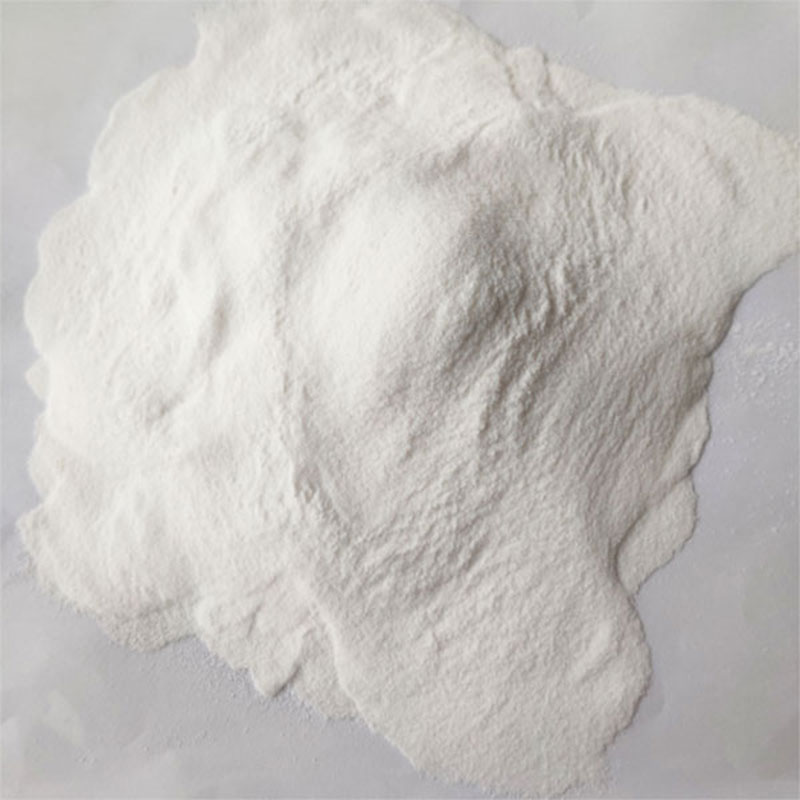
The specialty silica industry is gaining attention as manufacturers increasingly seek advanced materials that improve product performance, durability, efficiency, and sustainability. Specialty silica is widely used across industries because of its unique physical and chemical properties, including high surface area, controlled particle size, excellent absorption capacity, and reinforcing capabilities. These characteristics make it an important ingredient in products ranging from automotive tires and coatings to personal care formulations, food processing, pharmaceuticals, and industrial applications.
The future of the specialty silica market will be influenced by technological progress, changing consumer expectations, industrial modernization, and the growing demand for high-performance materials. As companies focus on developing products with improved functionality and reduced environmental impact, specialty silica is expected to maintain its importance across several manufacturing sectors.
Expanding Demand Across Industrial Applications
Industrial applications are expected to remain an important contributor to specialty silica demand. Manufacturers use different grades of silica to improve the mechanical strength, surface characteristics, flow properties, and stability of finished products. Industries such as rubber, plastics, paints, adhesives, and construction depend on specialized materials to achieve consistent product quality.
The automotive sector represents a significant area of application. Specialty silica is used in tire manufacturing to improve rolling resistance, wet grip, and overall tire performance. As vehicle manufacturers continue developing fuel-efficient and electric vehicles, the demand for advanced tire materials is likely to create additional opportunities.
Similarly, the construction industry uses specialty silica in coatings, sealants, cement-based products, and other formulations. Infrastructure development and increasing investment in modern buildings could support further demand for materials that offer improved durability and performance.
Technological Advancements Shaping Future Growth
Technology will play an important role in shaping the industry's development. Manufacturers are investing in improved production techniques that allow better control over particle size, porosity, surface chemistry, and purity. These characteristics help companies develop application-specific silica grades for specialized industrial requirements.
Advanced processing technologies can also improve production consistency and resource utilization. Automation, digital monitoring, and process optimization are becoming increasingly relevant as manufacturers seek to reduce operational costs while maintaining product quality.
In the coming years, research into surface-modified silica and customized formulations could expand its use in applications requiring specific performance characteristics. These developments may help producers serve specialized markets where conventional materials cannot consistently meet technical requirements.
Sustainability and Environmental Considerations
Sustainability is becoming an important consideration for material manufacturers and end users. Businesses are exploring production methods that reduce energy consumption, improve resource efficiency, and minimize waste. This shift could influence investment decisions and product development strategies throughout the specialty silica industry.
Precipitated silica is particularly relevant to sustainability discussions because it is used in energy-efficient tire formulations. Tires incorporating silica-based compounds can help reduce rolling resistance while maintaining other important performance characteristics. Such applications may benefit from the continuing development of electric mobility and fuel-efficient transportation.
Manufacturers are also examining opportunities to improve water management, reduce emissions, and optimize raw material consumption during production. Companies that successfully incorporate these practices may strengthen their relationships with customers seeking more sustainable supply chains.
Regional Opportunities and Industrial Expansion
Regional industrial development will influence future demand patterns. Asia-Pacific is positioned as an important production and consumption region because of its extensive manufacturing base, automotive industry, construction activities, and expanding consumer goods sector. Countries such as India, China, Japan, and South Korea offer opportunities for specialty silica suppliers serving diverse industrial applications.
North America is expected to remain an important market due to its established automotive, healthcare, construction, and advanced manufacturing industries. Demand for specialized materials in high-performance tires, industrial coatings, and personal care products could support regional consumption.
Europe also offers opportunities through its focus on automotive technology, product quality, environmental standards, and industrial innovation. Manufacturers operating in the region are increasingly interested in materials that support improved efficiency and compliance with evolving requirements.
Emerging industrial economies may provide additional opportunities as infrastructure investment and manufacturing capabilities expand. However, regional growth will depend on production capacity, logistics, regulatory conditions, and access to suitable raw materials.
Challenges That Could Influence the Forecast
Despite positive development opportunities, the industry faces several challenges. Fluctuations in raw material prices, energy expenses, transportation costs, and manufacturing inputs can influence production economics. These pressures may affect profit margins, particularly for producers operating in highly competitive segments.
Maintaining consistent product quality is another important consideration. Different applications require specific particle characteristics, purity levels, and performance standards. Manufacturers must therefore maintain reliable quality-control systems and invest in research and production capabilities.
Environmental compliance can also increase operational complexity. Production facilities may need to invest in pollution-control technologies, waste management, and energy-efficient equipment. Smaller manufacturers could experience greater difficulty managing these investments.
Competition from alternative materials and changing customer specifications may further influence business strategies. Producers will need to balance product innovation, pricing, supply reliability, and technical support to maintain their market positions.
Competitive Strategies and Business Developments
The competitive environment is expected to encourage manufacturers to focus on product differentiation and operational efficiency. Companies may prioritize the development of specialized silica grades designed for automotive, electronics, personal care, food, and pharmaceutical applications.
Strategic partnerships between material producers and industrial customers could become increasingly important. These collaborations can help manufacturers understand application-specific requirements and develop customized formulations.
Capacity expansion, technological upgrades, and geographic diversification may also feature in long-term business strategies. Companies with efficient production systems and dependable distribution networks could improve their ability to serve customers across multiple regions.
In addition, technical assistance and product customization may become important competitive factors. Customers increasingly require materials that meet precise specifications, making application knowledge an important part of supplier relationships.
Future Outlook for the Specialty Silica Industry
The specialty silica market is expected to experience evolving opportunities as industrial manufacturers prioritize advanced materials, improved product performance, and sustainable production practices. Automotive applications, construction materials, personal care products, and specialized industrial formulations are likely to remain important areas of demand.
Future developments will depend on the industry's ability to address manufacturing challenges while responding to changing customer requirements. Investments in production technology, research, product customization, and environmental improvements could help manufacturers strengthen their competitive positions.
The expansion of electric mobility, infrastructure development, and advanced manufacturing may create additional application opportunities. At the same time, raw material availability, regulatory requirements, and production costs will remain important factors influencing business decisions.
Overall, the industry has opportunities to expand through innovation, diversification, and improved manufacturing efficiency. Companies that adapt to evolving industrial needs and deliver consistent, application-specific products will be better positioned to participate in the industry's long-term development.
Conclusion
The future direction of specialty silica production and consumption will be shaped by industrial expansion, technological advancements, sustainability initiatives, and demand for high-performance materials. Although cost pressures, competition, and regulatory requirements present challenges, opportunities across automotive, construction, personal care, and specialized manufacturing applications remain significant. Continued investment in innovation, operational improvements, and customer-focused product development will influence the industry's long-term growth trajectory.
Learn More : https://www.pristinemarketinsights.com/specialty-silica-market-report