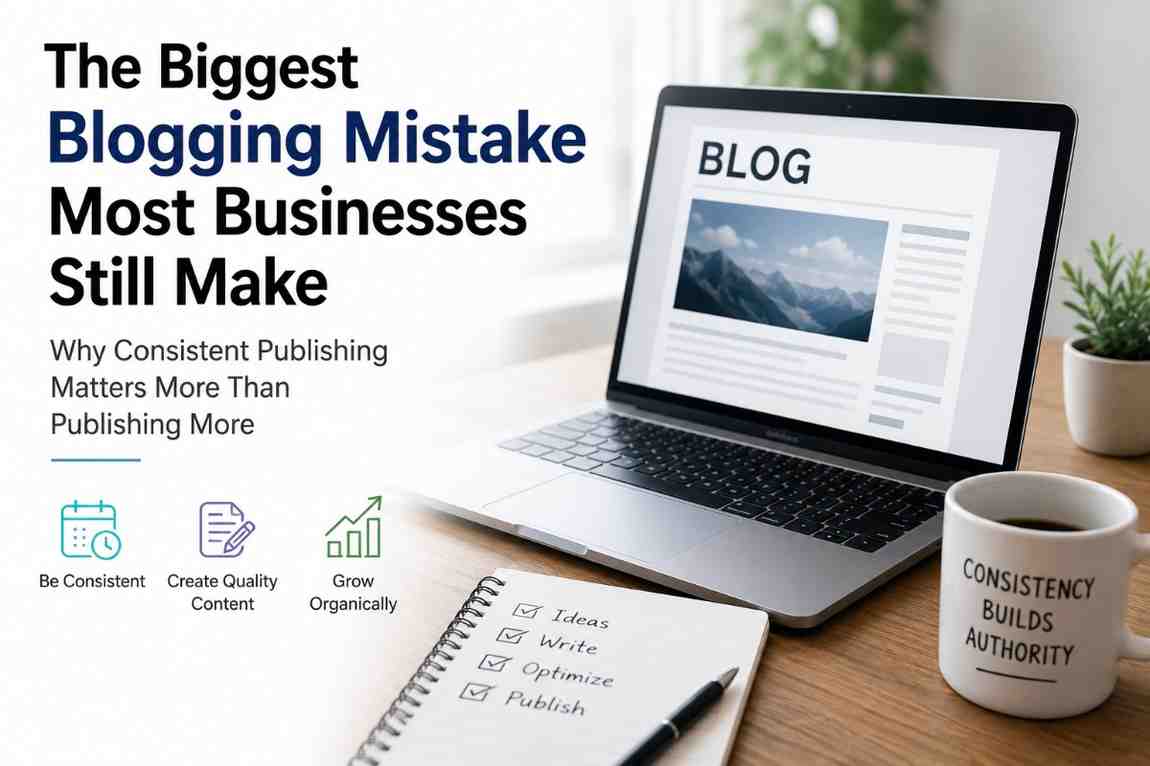
Step-by-Step Guide to Writing and Publishing Your First Blog Post (10 Easy Steps)
-

- Published Updated
- 1,643 views
This guide describes a practical 10-step process for writing and publishing your first blog post, covering idea development, drafting, optimization, accessibility, publishing, and promotion. The goal is to move from concept to a published post that is readable, discoverable, and useful to readers.
- Choose a focused topic and research audience needs.
- Create an outline and craft a strong headline.
- Write, edit, optimize for SEO and accessibility, then publish.
- Promote the post and measure performance to improve.
10-Step Process for writing and publishing your first blog post
Step 1: Pick a clear, audience-focused topic
Select a single, specific topic that matches an audience need. Narrowing the topic increases clarity and improves search relevance. Consider the reader's level (beginner, intermediate, expert) and the question the post will answer.
Step 2: Research keywords and search intent
Identify common search phrases and the intent behind them (informational, navigational, transactional). Keyword research informs headings and examples. Use public guidance on search best practices, such as resources from search engine documentation, when deciding how to structure content for discoverability.
Step 3: Create a simple outline
Structure the post with an introduction, 3–6 main sections, and a concise conclusion. An outline keeps writing focused and ensures logical flow. Plan headings, key points, and any examples, data, or steps to include under each heading.
Step 4: Write a compelling headline and meta description
Write a headline that communicates the benefit and includes a main phrase where natural. Keep the meta description under 160 characters and summarize the post’s value to encourage clicks from search results and social shares.
Step 5: Draft the post with clear structure and readable language
Use short paragraphs, subheadings, and lists to improve readability. Start with a concise lead that states what the reader will learn. Use examples, data, and practical steps to make advice actionable. Cite authoritative sources when referencing facts or standards.
Step 6: Add images, captions, and other media
Include images, charts, or code snippets that support the text. Provide descriptive alt text for images to improve accessibility and provide context to search engines. Compress media files to reduce page load time without sacrificing quality.
Step 7: Optimize for SEO and technical basics
Apply on-page SEO: include the target phrase in the title tag, a main heading, and naturally in the body; use descriptive URL slugs and internal links to related posts. Follow web indexing and SEO guidance from official resources such as Google Search Central for technical recommendations on metadata and crawlability.
Step 8: Check accessibility and legal considerations
Ensure text contrasts and keyboard navigation work, add alt attributes for images, and avoid auto-playing media. For posts that collect data or include third-party content, follow applicable privacy and copyright practices. Accessibility and compliance improve usability and broaden the audience.
Step 9: Edit, proofread, and verify facts
Review for clarity, grammar, and factual accuracy. Verify statistics, dates, and quotes against reliable sources. Consider reading the post aloud or using a proofreading tool to catch awkward phrasing and typos.
Step 10: Publish, promote, and measure performance
Publish the post on the chosen platform and share it through relevant channels: social media, email newsletters, communities, or content syndication where appropriate. Monitor metrics such as page views, time on page, referral sources, and engagement. Use those signals to refine future topics and formats.
Maintaining a simple publishing checklist—content quality, on-page SEO, accessibility checks, and basic promotion—helps make each new post more successful and easier to repeat.
After publishing: review and iterate
Update and repurpose
Periodically revisit published posts to update information, add new examples, or improve SEO. Repurpose core ideas into different formats (infographics, short video, social posts) to reach new audiences and extend the life of the content.
Measure and learn
Use analytics to identify which posts meet goals and which need changes. Track organic search performance, referral traffic, and user engagement metrics to inform topic selection and writing approach for future posts.
FAQ
How long does writing and publishing your first blog post usually take?
Time varies by scope. A short, well-focused post may take 2–4 hours from planning through publishing; longer or research-heavy posts can take several days. Allow time for revisions and basic optimization to improve readability and discoverability.
What is the ideal length for a first blog post?
There is no single ideal length. Short posts (500–800 words) can be effective for simple topics; comprehensive guides (1,200–2,000+ words) work better for in-depth subjects and search competitiveness. Prioritize completeness and clarity over hitting a word count.
Is it necessary to learn technical SEO before publishing?
Basic technical good practices—clear URL, title tag, meta description, alt text, mobile-friendly layout, and reasonable page speed—are helpful. Advanced SEO can be learned over time; focus first on quality content and basic indexing signals.
How should images be credited and what about copyright?
Use images with appropriate licenses (public domain, Creative Commons with attribution, or purchased/licensed stock). Provide attribution when required and avoid embedding copyrighted materials without permission.
Can the 10-step process be used for other content types?
Yes. The same principles—planning, audience focus, structured writing, accessibility, optimization, and measurement—apply to articles, tutorials, and many content formats with minor adjustments for media and distribution channels.