Sunekos Injections in Riyadh: Costs, Safety, Clinics, and Aftercare
-

- Published Updated
- 2,248 views
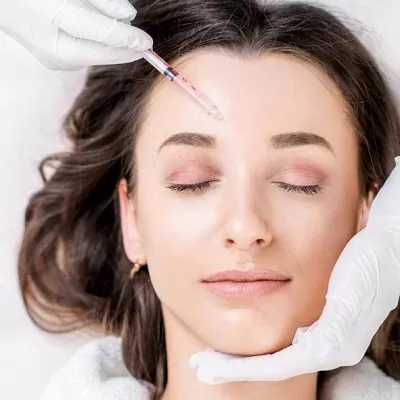
Sunekos injections in Riyadh are offered by aesthetic clinics and dermatology centres across the city as a non-surgical skin treatment option. This guide summarizes what Sunekos is, typical treatment steps, safety and regulation in Saudi Arabia, expected costs, and practical aftercare information for residents and visitors considering the procedure.
- Sunekos is an injectable skin treatment that combines hyaluronic acid with amino-acid solution to support dermal restructuring.
- Treatments in Riyadh are available at licensed dermatology clinics and medical aesthetic centres; regulation falls under national authorities such as the Saudi Food and Drug Authority and the Ministry of Health.
- Costs vary by clinic, provider experience, and treatment area; expect multiple sessions for best results.
- Safety depends on proper patient assessment, sterile technique, and post-procedure care; discuss potential side effects and contraindications with a licensed clinician.
Sunekos injections in Riyadh: what the treatment is and how it works
What Sunekos is
Sunekos is a proprietary injectable product marketed for aesthetic skin improvement. It combines a low-molecular-weight hyaluronic acid solution with a specific mix of amino acids. Manufacturers and clinicians describe the treatment as aiming to support the extracellular matrix and improve skin texture, elasticity, and hydration. Clinical evidence for different injectable products varies and is subject to ongoing study in dermatology literature.
Typical treatment process
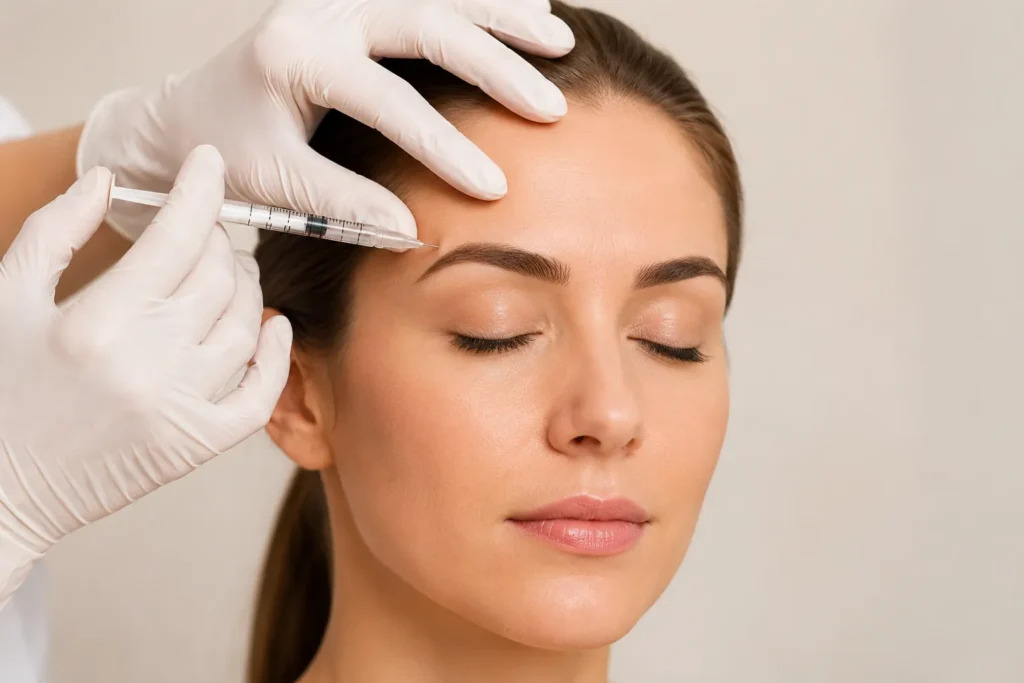
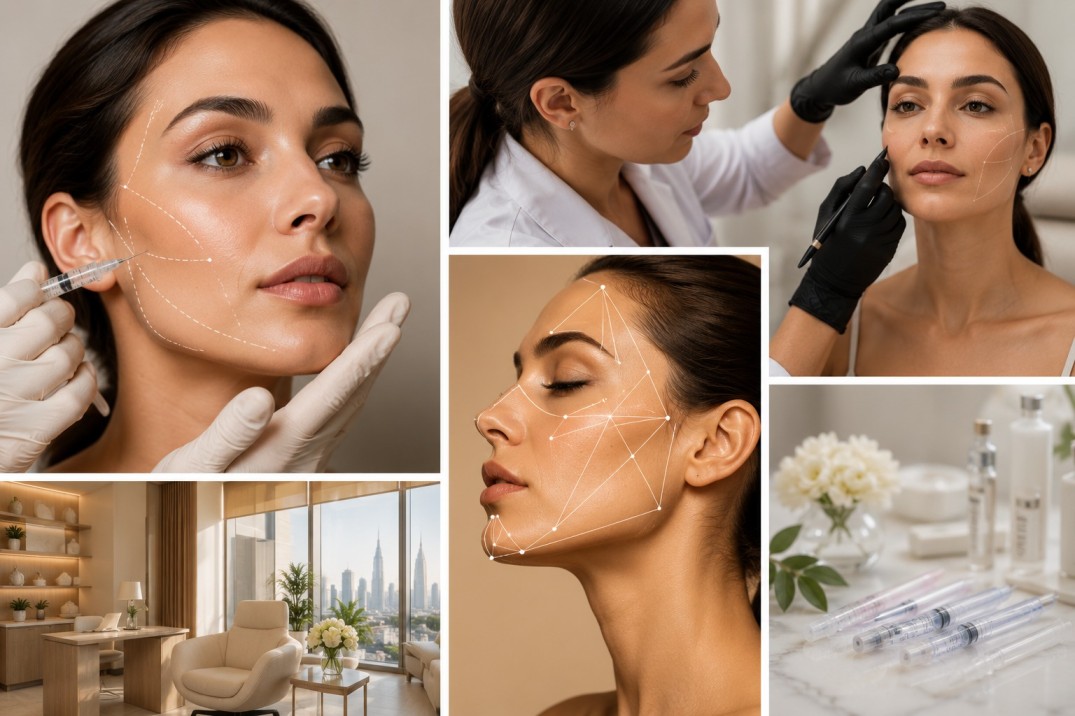
Procedures commonly begin with a consultation and skin assessment. Treatments are usually delivered by intradermal or superficial injections in the targeted area (face, neck, hands). A course often includes several sessions spaced over weeks, and maintenance sessions may be recommended. Providers may use topical anaesthetic or cooling for patient comfort during injections.
Regulation and clinics in Riyadh
Regulatory context
Devices and products used in injections are regulated in Saudi Arabia by the Saudi Food and Drug Authority (SFDA) and clinical services are overseen by the Ministry of Health and regional health directorates. Patients may confirm that a clinic and practitioner are licensed through local regulatory bodies. For official regulatory information and updates, refer to the Saudi Food and Drug Authority website: Saudi Food and Drug Authority.
Choosing a clinic or practitioner
When selecting a provider in Riyadh, consider the practitioner’s medical qualifications (dermatologist, plastic surgeon, or licensed aesthetic physician), clinic accreditation, documented experience with injectable treatments, and transparent pre-procedure assessments. Request to see before-and-after images from the clinic and ask about protocols for sterility and emergency management.
Costs, appointment steps, and what to expect
Estimated costs
Prices depend on the clinic, the number of sessions, product volumes, and practitioner experience. In Riyadh, expect wide variations—some clinics price per session while others charge by vial or treatment area. Request a written cost estimate that includes follow-up visits and any additional fees.
Consultation and consent
A consultation should include a medical history review, discussion of realistic outcomes, explanation of risks and alternatives, and written consent. Patients with certain medical conditions or who are pregnant or breastfeeding are generally advised to disclose these details during the consultation so providers can determine suitability.
Safety, side effects, and aftercare
Common side effects and risks
Common, short-term reactions after injections may include redness, swelling, bruising, tenderness, or temporary lumps at the injection sites. More serious but rare complications for any injectable procedure can include infection, prolonged nodules, or allergic reactions. The precise side-effect profile depends on the product used and individual patient factors.
Aftercare and recovery
Aftercare recommendations typically include avoiding strenuous exercise, excessive heat, or alcohol for 24–48 hours, and keeping the treated area clean. Follow-up appointments allow the provider to check healing and treatment response. If unusual pain, fever, or signs of infection occur, contact the clinic promptly.
Finding reliable information and next steps
Evidence and clinical guidance
Scientific literature on injectable skin-stimulatory products includes clinical studies and reviews published in dermatology journals. Regulatory agencies and professional medical societies publish safety advisories and best-practice guidance for injectable procedures. For local regulatory status and approved product lists, consult the national regulator and licensed healthcare providers.
Preparing for an appointment in Riyadh
Prepare a list of medical conditions, medications, allergies, and previous cosmetic procedures. Ask the clinic about the product brand, batch traceability, practitioner credentials, expected number of sessions, and the written aftercare plan. Confirm whether the clinic has an established protocol for adverse events.
Frequently asked questions
Are Sunekos injections in Riyadh regulated and approved?
Regulation of products and clinical services is overseen by Saudi authorities such as the SFDA and the Ministry of Health. Patients can check product approvals and clinic licensing with those agencies and ask clinics to show proof of legitimate supply and practitioner credentials.
How many sessions of Sunekos are usually needed?
Treatment plans often involve a series of sessions spaced several weeks apart, followed by maintenance visits; exact recommendations vary by provider and individual skin response.
What are the most common side effects after treatment?
Common short-term effects include redness, swelling, bruising, and tenderness at injection sites. These typically resolve within days to a couple of weeks. Discuss potential complications and management with a licensed practitioner before treatment.
How to choose a qualified provider in Riyadh?
Choose a clinic with licensed medical professionals (dermatologists, plastic surgeons, or certified aesthetic physicians), a clear consent process, documented sterile technique, and transparent pricing. Ask about practitioner experience with the specific injectable product used.
Can results be guaranteed?
No aesthetic treatment can guarantee specific outcomes. Results depend on the product, the treatment plan, individual skin characteristics, and adherence to follow-up care. A qualified clinician can outline likely outcomes and alternatives during the consultation.
Note: This article provides general information and is not a substitute for professional medical assessment. For personalized advice, consult a licensed healthcare practitioner in Riyadh.