Best Vegetables to Grow with Sunflowers: Companion Planting Guide
-

- Published Updated
- 565 views
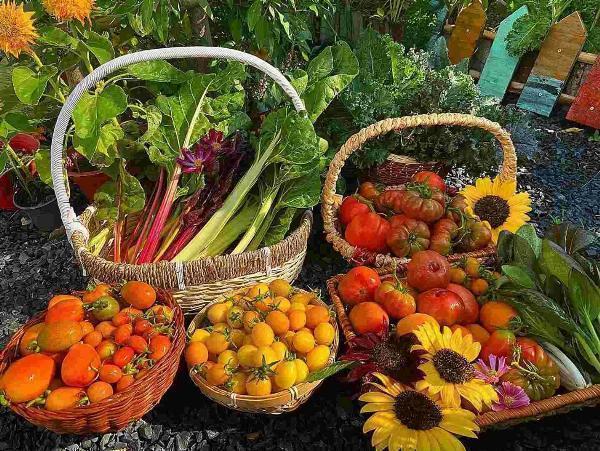
Sunflowers make dramatic focal points and pollinator magnets, and pairing them with the right vegetables turns an ornamental row into a productive companion planting system. This article explains vegetables to grow with sunflowers, how to plant them, and practical trade-offs for small and larger gardens.
Vegetables to Grow with Sunflowers: Best Choices and Why
The best vegetables to grow with sunflowers are those that use vertical support, tolerate partial shade, or benefit from nearby pollinators. Vegetables to grow with sunflowers commonly include climbing beans, peas, squash, cucumbers, and some leafy greens. Benefits include trellising, pest masking, and improved pollination for fruiting crops.
Top vegetable partners and what they gain
- Pole beans and runner beans – Use sunflower stalks as live trellises. Beans fix nitrogen, which can help following crops.
- Peas – Early-season peas can use young sunflower stems and enjoy cooler spring shade from tall blooms.
- Cucumbers and vining squash – Use sunflowers for support or plant nearby to occupy lower space; watch for competition for water.
- Leafy greens (lettuce, spinach, chard) – Benefit from afternoon shade under tall sunflower rows in hot climates.
- Herbs like basil and dill – Attract pollinators and predatory insects that reduce pests on nearby vegetables.
How to Plan and Plant: SUN-CHECK Companion Checklist (Framework)
Use the SUN-CHECK checklist to plan sunflower-vegetable combinations and avoid common problems.
- Space: Leave room for root spread and airflow.
- Underground: Consider root depth to reduce competition.
- Nitrogen: Pair with legumes or rotate crops to maintain soil fertility.
- Control pests: Mix in pest-repelling herbs or flowers.
- Height: Stagger planting so sunflowers do not permanently shade crops.
- Establish water plan: Deep-water sunflowers; shallow-water greens need more frequent irrigation.
- Crop timing: Plant fast-maturing crops early; plant slower crops where shade won't impede growth.
- Keep records: Note varieties and spacing that worked for future seasons.
Planting layout and timing
Plant sunflowers in rows on the north side of vegetable beds in the Northern Hemisphere to reduce unwanted shading. Sow beans and cucurbits after the risk of frost has passed; start cool-season greens earlier and harvest before sunflower canopy fully develops.
Practical Tips for Companion Planting with Sunflowers
- Plant pole beans at the same time or shortly after sunflowers so vines can climb as stalks strengthen.
- Space sunflowers at least 24–36 inches apart to preserve airflow and reduce disease risk for neighboring vegetables.
- Use mulch and consistent irrigation to reduce competition for moisture between deep-rooted sunflowers and shallow-rooted vegetables.
- Seed succession plantings of greens in the shade cast by sunflowers to extend harvest windows during hot months.
- Interplant insectary herbs like dill or calendula to attract beneficial insects and pollinators to both sunflowers and nearby fruiting vegetables.
Short real-world scenario
A suburban raised bed 4 feet by 8 feet places a row of three 6-foot sunflowers along the north edge. Pole beans are sown beside each sunflower to climb the stalks; a mid-row of lettuce is seeded in early spring and harvested before full bloom; two cucumber plants are started on the south side with trellises. Result: efficient vertical space use, improved pollination, and staggered harvests.
Trade-offs and Common Mistakes
Trade-offs to consider
- Shade vs heat relief: Sunflowers provide cooling shade in hot climates but can reduce yields for sun-loving vegetables in cooler areas.
- Water competition: Deep-rooted sunflowers may lower soil moisture for shallow-rooted crops unless irrigation is managed.
- Pest attraction: Sunflowers attract pollinators and beneficial insects, but they can also draw pests; pairing with trap crops or flowering herbs helps balance this.
Common mistakes
- Planting sunflowers too close to heat- and light-sensitive vegetables without adjusting spacing.
- Using sunflowers as sole support for very heavy fruit loads (like large squash) without additional trellising.
- Failing to manage soil fertility after removing nitrogen-fixing beans that were grown with sunflowers.
Core cluster questions
- Which climbing vegetables work best with tall support plants?
- How does sunflower shading affect tomato and pepper yields?
- What legumes pair well with sunflowers for soil improvement?
- Can cucurbits be trained on sunflower stalks safely?
- How to manage water and nutrients in mixed sunflower-vegetable beds?
Further reading and authoritative guidance
For general companion planting principles and pollinator-friendly garden practices, consult guidance from established horticultural organizations such as the Royal Horticultural Society: RHS companion planting advice.
Frequently Asked Questions
What vegetables to grow with sunflowers are best for small gardens?
For small gardens, choose pole beans, peas, and compact cucumbers that use vertical space. Plant sunflowers along the north edge and harvest early greens before the canopy develops to maximize productivity.
Can sunflowers improve pollination for nearby vegetables?
Yes. Sunflowers attract bees and other pollinators that increase pollination rates for nearby fruiting vegetables like cucumbers, squash, and tomatoes, especially when blooms are staggered to overlap with vegetable flowering.
Do sunflowers compete with vegetables for nutrients?
Sunflowers are heavy feeders and can compete for water and nutrients. Reduce competition by using mulch, targeted irrigation, and planting nitrogen-fixing legumes in rotation or alongside to help replenish soil nitrogen.
Are any vegetables incompatible with sunflowers?
Avoid shallow-rooted, sun-loving crops planted permanently in the shadow of tall sunflowers in cool climates; also avoid dense plantings that reduce airflow and increase disease risk.
How to prevent sunflower stalks from falling and damaging vegetables?
Stake tall sunflower varieties or plant shorter varieties. Space plants correctly and avoid heavy winds by providing windbreaks. Use supplemental trellises for very heavy vines rather than relying solely on stalks.
Related terms: companion planting, pollinators, nitrogen fixation, trellising, allelopathy, beneficial insects, Cucurbitaceae, Fabaceae, Solanaceae, crop rotation.