
Smart Landscaping Choices for Sydney’s Tough Climate
-

- Published Updated
- 77 views
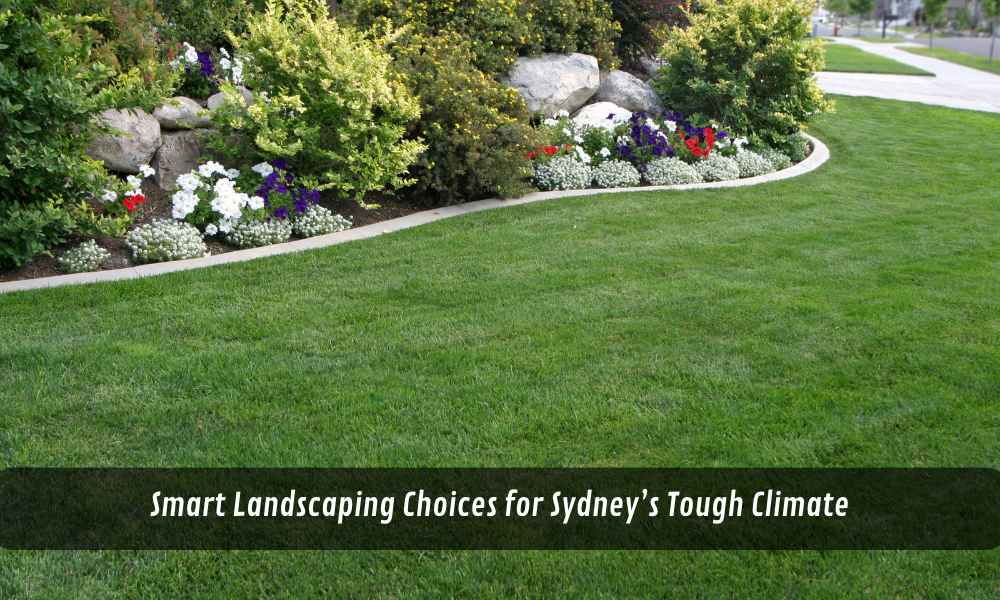
Sydney’s backyards work hard. One week the sun bakes the lawn to straw, the next a storm dumps a month’s rain overnight. Designing an outdoor space that stays green, usable and low on maintenance in these extremes takes more than a few pot-plants and paving slabs. Gardeners who want reliable results often start by turning to trusted landscaping insights that weigh up soil health, plant resilience and clever hard-scape layouts.
Why Sydney’s Weather Punishes Unplanned Gardens
Long, dry spells followed by intense bursts of rain cause two common headaches: hydrophobic soils and root stress. When sandy topsoil dries out, water beads off instead of soaking in. Too much concrete worsens the problem by funnelling runoff into drains rather than letting it percolate. Plants anchored in shallow, nutrient-poor beds wilt fast, yet they also drown when stormwater suddenly pools around stems. Homeowners who skip a strategic plan often end up re-turfing or replanting every couple of years—a silent drain on weekend time and the hip pocket.
Soil First, Aesthetics Second
Healthy soil beats fancy features every time. In established suburbs like Marrickville and Ryde, demolition rubble under thin turf is common. Before talking plants or pergolas, grab a shovel and check what lurks 200 mm down. If it’s more brick chips than loam, consider:
Removing builder’s waste and incorporating composted organics.
Mixing in water-storing crystals on west-facing beds prone to baking.
Building raised beds where deep ripping isn’t practical.
A balanced soil profile holds moisture longer and supplies steady nutrients, reducing the weekly chore list.
Plant Pairings That Survive Heat and Deluge
Drought-tolerant natives often headline garden blogs, but pairing them with exotics that crave richer soil can backfire. Grevilleas and lilly pilly hedges, for instance, share few fertiliser needs. A sharper approach is zoning: cluster species with matching thirst levels and root depths so irrigation and feeding can be targeted, not blanket. Mid-storey kangaroo paws under a canopy of spotted gums suits sandy blocks near the coast, while inland clay soils favour dwarf citrus bordered by rosemary. For shaded courtyards, clumping gingers handle humidity better than thirsty ferns.
Looking for a full run-down on seasonal tasks? This handy backyard maintenance checklist explains when to mulch, prune and top up slow-release fertiliser so plants cope with temperature swings.
Hard-scape Decisions That Cut Workload
Pathways and decking frame the greenery and set drainage patterns. Permeable pavers let rainwater soak through, easing pressure on storm drains and re-charging sub-surface moisture. Light-coloured stone stays cooler than dark granite, meaning shoes—and paw pads—don’t sizzle in February. When budgets allow, automated drip irrigation laid beneath the mulch layer delivers water right at the root zone, slashing evaporation. Pair it with a Wi-Fi controller and a moisture probe: the system skips a cycle after heavy rain, saving water and keeping fungal problems at bay.
Water-wise Tricks for the Long Haul
Sydney Water’s restriction levels change whenever Warragamba Dam storage drops, so gardens that rely on sprinklers alone risk stress. Harvesting roof runoff into slim-line tanks provides an emergency buffer. Even 2000 L makes a difference during a Level 2 ban. Combine that storage with native mulches—eucalyptus or leaf litter rather than pine bark—to slow surface evaporation. A 75 mm-deep layer can cut evaporative loss by up to a third, according to the Bureau of Meteorology climate outlook reports.
When a Professional Eye Helps
DIY can cover raised beds and planter swaps, but retaining walls over 600 mm, large-scale regrading or complex drainage pits tread into structural territory. Councils often require engineering sign-off, and insurance claims stumble if works weren’t built to code. Bringing in a landscape designer or structural landscaper doesn’t just tick compliance boxes; it often reveals cost-neutral tweaks that save years of piecemeal upgrades
How much should I budget for a drought-tolerant garden conversion?
Costs swing widely with site access, demolition needs and plant maturity. Factor in soil improvement first; that often sits at a few hundred dollars per cubic metre delivered and installed. Hard-scape and irrigation drive the lion’s share beyond that.
Are native plants always the best choice in Sydney?
Natives excel in poor soils and low rain, yet some exotics outperform them in shaded or high-nutrient pockets. Blend species based on microclimate rather than a blanket “native only” rule.
Will permeable pavers handle heavy foot traffic?
Modern resin-bound or interlocking options are rated for driveway loads. Confirm the slip rating and base prep with your installer.