How to Teach Kids First Aid: Practical Steps Parents and Teachers Can Use
-

- Published Updated
- 1,760 views
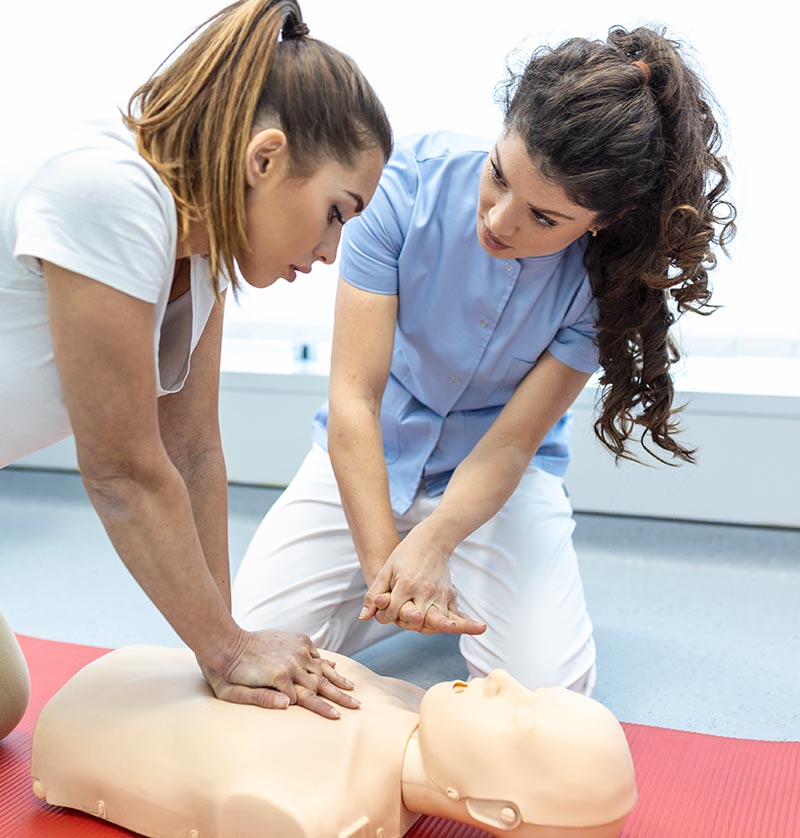
Helping children gain basic emergency skills is an important part of safety education. This guide explains how to teach kids first aid in age-appropriate ways, what topics to cover, and where to find reliable training and resources. Emphasis is on building confidence, recognizing emergencies, and knowing when to call for professional help.
- Start early with simple concepts (how to call emergency services, when to tell an adult).
- Cover core skills: recognizing emergencies, controlling bleeding, managing choking, and basic burn care.
- Use role play, games, and supervised practice; consider certified courses for older children and teens.
- Keep a first aid kit accessible and review local emergency response procedures with children.
Teach Kids First Aid: Key Skills to Cover
Recognizing an emergency and calling for help
Children should learn how to identify situations that require adult or professional help. Teaching a clear sequence—staying safe, finding an adult, and calling emergency services—builds situational awareness. Include the local emergency number and how to give a simple location description. Encourage children to answer dispatcher questions calmly and to follow instructions until help arrives.
Basic wound care and stopping bleeding
Introduce simple, non-invasive steps such as washing hands, applying pressure with a clean cloth, and seeking adult assistance. Teach when a wound needs a healthcare professional (for example, heavy bleeding, signs of infection, or deep cuts). Avoid detailed medical procedure instructions; instead, focus on the principle of keeping the person comfortable and getting help.
Choking and breathing concerns
Explain what choking looks like (unable to talk, coughing weakly, or clutching the throat) and the importance of calling for an adult immediately. Role-play safe responses like encouraging coughing if the child can still breathe and signalling for help. For suspected severe breathing emergencies, teach how to stay calm and get an adult quickly.
Burns, scalds, and poisoning awareness
Teach prevention (keeping hot objects out of reach, storing medicines and household chemicals safely) and safe immediate actions such as removing the child from danger and telling an adult. Emphasize not giving anything by mouth or applying home remedies without checking with a healthcare professional.
CPR awareness and AED familiarity
Older children and teens can learn about CPR and automated external defibrillators (AEDs) through certified classes. For younger children, introduce the concept that trained responders use special techniques to help someone who is unresponsive and not breathing. Encourage children to locate AEDs in public places and to alert an adult to retrieve one when needed.
Age-appropriate ways to teach first aid
Preschool (3–5 years)
Focus on recognition and reporting: identifying an adult to tell, saying their name and address, and simple safety rules. Use storybooks and play-based activities that reinforce safe behaviors and the idea of seeking help.
School-age children (6–12 years)
Introduce basic skills like cleaning minor scrapes, applying bandages, and practicing how to call emergency services. Use hands-on activities, simple checklists, and supervised role-play scenarios to build competence and reduce panic.
Teens (13+ years)
Teens are capable of more advanced instruction, including certified first aid and CPR courses. Practical training can include using a first aid kit, learning when to seek medical care, and gaining confidence to assist responsibly until professionals arrive.
Using practice, games, and certified training
Role play and simulated scenarios
Practice builds muscle memory and reduces fear. Simple simulated scenarios—acted out with consent—help children rehearse calling for help, applying a bandage, or finding an adult. Keep scenarios low-stress and focused on communication skills as much as hands-on tasks.
First aid kits and home preparedness
Show children where the family first aid kit is kept and what basic items it contains. Discuss when to use items, and emphasize not using anything without adult permission. Regularly check kit contents and involve children in restocking age-appropriate supplies.
When to seek certified instruction
Formal first aid and CPR classes offered by recognized organizations provide practical, supervised training and often include certifications. Such training is appropriate for older children, teens, school staff, and caregivers who may need to respond in more complex situations.
Resources and where to learn more
Authoritative sources and local emergency services provide up-to-date programs and course listings. For information on certified first aid and youth programs, see the American Red Cross first aid courses page: American Red Cross first aid resources. National health services (for example, NHS guidance) and the Centers for Disease Control and Prevention (CDC) also offer safety and prevention materials tailored to families and schools.
Practical tips for parents and educators
- Keep explanations simple and age-appropriate; focus on safety and seeking help rather than delivering medical care.
- Practice emergency calls and role-play scenarios periodically to keep skills fresh.
- Coordinate with schools and community groups to reinforce consistent messages and access formal training.
- Encourage questions and debrief after drills to address fears and correct misunderstandings.
Conclusion
Teaching children basic emergency awareness and first aid principles empowers them to act safely and responsibly. Progress from simple recognition and reporting to practical, supervised skills as children mature. Use play, repetition, and reputable training programs to develop competence without providing clinical treatment guidance.
How can parents teach kids first aid at home?
Start with simple safety rules, practice calling emergency services, and role-play basic responses. Use age-appropriate activities and involve children in maintaining a first aid kit. For more advanced skills, enroll older children in certified classes and review local emergency procedures together.
What age is appropriate to start teaching first aid?
Introduce safety concepts and how to seek help as early as preschool. More hands-on first aid skills are suitable for school-age children, and certified instruction is appropriate for teens. Adjust content to the child’s maturity and emotional readiness.
Where can families find reputable first aid training?
Local chapters of recognized emergency training organizations, community centers, schools, and healthcare facilities commonly offer first aid and CPR classes. Official public health agencies often list programs and materials for families.