Top 8 Most Beautiful Places in the UK: A Practical Visitor’s Guide
-

- March 08th, 2026
- 731 views

Get a free topical map and start building content authority today.
Planning a trip to the most beautiful places in the UK requires practical choices: timing, transport, and expectations. This guide lists eight standout destinations, explains what makes each special, and gives an action-oriented checklist to help pick the right spots for any trip.
- Eight selected locations across England, Scotland, Wales, and Northern Ireland chosen for scenic, cultural, and visitor value.
- Includes the SCENIC checklist to evaluate sites, a short itinerary example, practical tips, and common mistakes.
- Detected intent: Informational
Top 8 most beautiful places in the UK
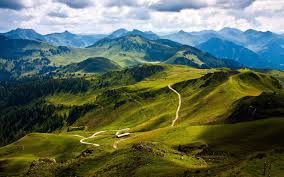
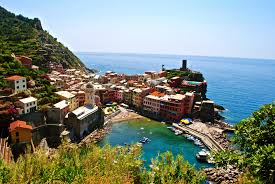
The list below highlights diversity: coastal cliffs, mountain ranges, historic towns, and quiet islands. Each entry includes what to expect, access notes, and why it ranks among the most beautiful places in the UK.
1. The Lake District, England
Known for glacial lakes, rugged fells, and postcard villages. Best for hiking, photography, and lake cruises. Peak views around Helvellyn and Scafell Pike are iconic; consider public transport from Windermere or Park-and-Ride during summer.
2. Isle of Skye, Scotland
Dramatic sea cliffs, the Quiraing, and the Old Man of Storr create otherworldly landscapes. Access involves a road crossing; allow time for single-track roads and seasonal crowds.
3. Giant’s Causeway, Northern Ireland
Interlocking basalt columns and coastal scenery deliver a unique geological experience. Visitor facilities run seasonal hours; check transport links from nearby towns.
4. Cotswolds, England
Rolling hills and honey-colored villages offer a classic English countryside aesthetic. Best visited off-peak for quieter lanes and local markets.
5. Snowdonia (Eryri), Wales
Mountains, valleys, and coastal fringe create varied terrain. Options include hiking Snowdon via multiple routes or taking the mountain railway for accessible summit views.
6. Jurassic Coast, England
A UNESCO World Heritage coastline with fossils, cliffs, and bays like Durdle Door. Combine beach walks with guided fossil hunts for educational value.
7. The Scottish Highlands (West Coast & Cairngorms)
Expansive moorland, lochs, and remote glens. Wilderness campsites and distillery stops add cultural interest. Allow long travel times between points of interest.
8. St Ives and Cornwall Coast, England
Sandy beaches, coastal paths, and art communities. Sunsets and surf make this a popular choice; parking and accommodation book quickly in summer.
SCENIC checklist: A framework for choosing beauty spots
Use the SCENIC checklist to evaluate any location quickly:
- Scale — Is the landscape sweeping or intimate? (mountain range vs. village)
- Comfort — Are facilities, parking, and accommodation available?
- Ease of access — Transport options and road conditions
- Natural features — Unique geology, flora, fauna
- Impact timing — Best seasons and daily crowd patterns
- Cultural value — Historic sites, local communities, and interpretation
Short real-world example: a weekend in the Lake District
Day 1: Arrive in Windermere, short cruise on Lake Windermere, sunset at Orrest Head. Day 2: Early hike on Catbells, lunch in Keswick, return via Ullswater for a quieter lakeside walk. Use the SCENIC checklist: Scale (lakes and fells), Comfort (plenty of services), Ease (train to Windermere), Natural features (glacial lakes), Impact timing (early starts avoid crowds), Cultural (market towns).
How to choose between these best scenic spots UK
Matching priorities—adventure, relaxation, photography, or family-friendly attractions—helps narrow options. For example, Isle of Skye equals dramatic photography but involves more driving; Cotswolds favors relaxed village exploration with easier transport links.
Practical tips for visiting UK beauty spots
- Book accommodation and transport early for popular seasons (spring–autumn).
- Check local access rules and conservation notices—some sites limit visitor numbers or have protected habitats.
- Pack layered clothing and waterproofs; weather can change quickly, especially in upland and coastal areas.
- Use public transport or local buses where available to reduce parking pressure and environmental impact.
- Consider guided walks or official rangers for safety on remote trails.
Common mistakes and trade-offs
Choosing a site solely from photos can understate travel difficulties and crowding. Trade-offs often involve accessibility versus solitude: the most remote places offer quiet but require more planning and stamina. Overplanning an itinerary may reduce enjoyment—allow extra time for unexpected delays or scenic stops.
Core cluster questions
- Which UK regions are best for coastal scenery?
- What are the best times of year to visit UK mountain landscapes?
- How to find less-crowded beauty spots in popular areas?
- Which UK sites offer family-friendly scenic walks?
- How to balance travel time and scenic value on short trips?
For official visitor guidance and conservation information, consult the National Trust’s site for site-specific access and preservation advice: National Trust.
Conclusion
These eight destinations represent a cross-section of the landscapes that define the UK. Use the SCENIC checklist and practical tips here to prioritize what matters—views, accessibility, or solitude—and plan a more confident visit.
What are the most beautiful places in the UK?
See the top list above for eight varied destinations across the UK, from the Lake District and Isle of Skye to the Jurassic Coast and the Cotswolds; choose based on scenic priorities and access needs.
When is the best time to visit UK beauty spots?
Late spring to early autumn offers longer daylight and milder weather, but quieter experiences occur off-peak. Mountain weather can be unpredictable year-round—prepare accordingly.
How to avoid crowds at popular UK beauty spots?
Visit at off-peak hours (early morning or late afternoon), choose shoulder seasons (April–May, September–October), or pick less-visited trails and nearby alternative viewpoints.
Are these locations family-friendly?
Many are accessible for families with children when routes are chosen for difficulty and facilities; check site details for toddler-friendly paths and amenities before travel.