How to Style Throw Pillows: A Practical Guide to Size, Fabric, and Arrangement
-

- March 02nd, 2026
- 195 views
how to style throw pillows is one of the most common searches by people updating sofas, chairs, or bedrooms. This guide explains size choices, fabric and fill considerations, arrangement strategies, and care so pillows look intentional, feel comfortable, and last longer.
Quick checklist: pick a scale that matches furniture, mix textures and patterns, use the LAYER checklist to evaluate size, fabric, fill, and placement, and follow three practical tips for purchasing and maintenance. Detected intent: Informational
how to style throw pillows: a concise framework for balanced arrangements
Start with three decisions: size, fabric, and arrangement. Treat throw pillows as small-scale furnishings—each choice affects comfort, visual balance, and durability. The rest of this guide expands those three areas and offers a named checklist for consistent results.
LAYER checklist: a named framework for selecting throw pillows
Use the LAYER checklist to evaluate options before buying or styling.
- L — Look at scale & size: Match pillow size to seat depth and sofa height. See the throw pillow size guide below.
- A — Assess fabric & texture: Choose fabrics for use-case (durable weaves for family rooms, silk or velvet for low-traffic spaces).
- Y — Yield to color & pattern rules: Anchor with one solid, add two patterns or textures for contrast.
- E — Evaluate fill & firmness: Down for softness and recovery; high-loft poly for shape retention and budget.
- R — Rotate & care: Rotate positions, unzip covers for washing, and follow care labels to extend life.
Choose sizes and scale (throw pillow size guide)
Choosing the right size requires matching pillow dimensions to furniture scale and intended function. Common sizes and uses:
- 18" x 18" — Versatile standard for sofas and armchairs.
- 20" x 20" to 22" x 22" — Better for deeper seats or larger sofas.
- 12" x 20" lumbar — Back support and layered visual width on sofas and beds.
- Euro 26" x 26" — Tall, square pillows used against the back of sofas or as bed shams.
Rule of thumb: the pillow should fill about two-thirds to three-quarters of the seat depth when propped. For narrow benches, choose slimmer lumbar styles to avoid crowding.
Select fabrics and fill (best throw pillow fabrics)
Fabric and fill determine feel, maintenance, and longevity. Consider these categories:
- Natural fibers (cotton, linen, wool): breathable and comfortable; linen wrinkles for a relaxed look; wool holds shape well.
- Velvet and silk: luxe appearance, best for low-traffic use; can show wear faster.
- Performance fabrics (polyester blends, Sunbrella): stain-resistant and easy to clean—ideal for family rooms and outdoor spaces.
- Fills: down or down-blend offers a plush, moldable feel; polyester or foam inserts keep firm, structured shapes and are hypoallergenic options.
Balance aesthetics and function: a living room with pets and kids benefits from performance fabrics, while a formal sitting area can lean into silk or velvet accents.
Arrangement strategies and mixing patterns
Layering creates depth. Follow a 3-step approach:
- Anchor with a solid or subtle textured piece near the back.
- Mix one large pattern and one small-scale pattern for contrast.
- Finish with a sculptural or accent pillow (lumbar or textured weave).
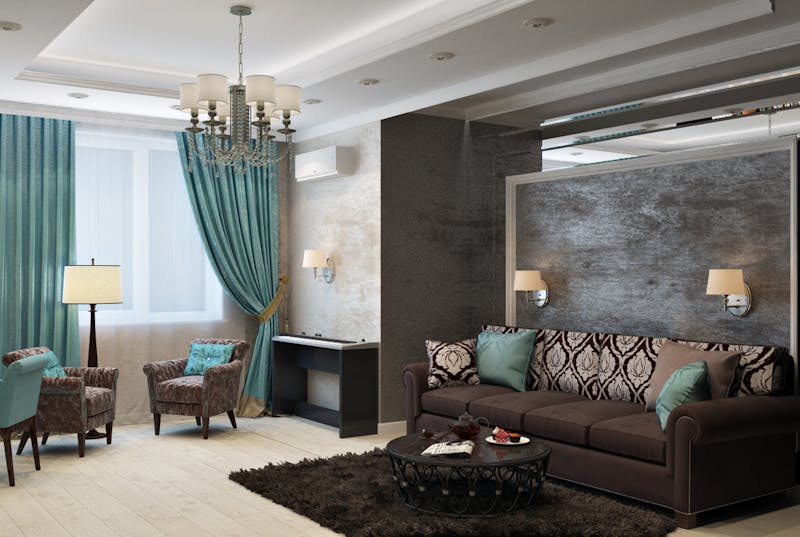
Keep colors within a cohesive palette—use tints and shades rather than unrelated hues to avoid visual chaos. For symmetrical sofas, mirror pairs on either side; on sectionals, cluster pillows in groups of three or five for a relaxed look.
Practical tips for long-lasting results
- Buy inserts slightly larger than covers (about 1–2 inches) for a fuller appearance.
- Use removable covers for easy washing and seasonal swaps.
- Store delicate fabrics in breathable bags during off-seasons to prevent dust and sun damage.
- Invest in at least one performance fabric option for high-use seating.
Common mistakes and trade-offs
Understanding trade-offs helps set realistic expectations.
Common mistakes
- Choosing all the same size: results look flat—mix scales for interest.
- Overloading small furniture with too many pillows: reduces comfort and usability.
- Picking fabrics for looks only: some materials quickly show wear or stain.
Trade-offs to consider
- Style vs. durability: luxe fabrics look richer but require careful care; performance fabrics are less tactile but last longer.
- Softness vs. structure: down fills are cozy but need fluffing; memory foam/poly fills keep edge and form.
- Cost vs. replaceability: invest in quality inserts and rotate covers seasonally to spread budget across looks.
Real-world example: updating a family sofa
Scenario: A three-seater sofa in a neutral gray for a family room. Objective: increase comfort and introduce color without sacrificing durability.
Action plan using LAYER:
- L — Choose two 20" x 20" pillows and one 14" x 22" lumbar to match deep seating.
- A — Select performance cotton blends for the two primary pillows and a textured wool lumbar for contrast.
- Y — Pick a deep teal solid, a small-scale geometric in muted tones, and a tactile cream lumbar.
- E — Use down-blend inserts for the 20" pillows and a firmer foam-lumbar insert for support.
- R — Use removable covers and a seasonal rotation—wash the solids quarterly.
Result: Comfortable seating, controlled color injection, and durable surfaces for everyday use.
Care and safety
Check care labels for washing instructions and follow manufacturer guidance for inserts. For professional guidance on interior design principles and accessibility considerations, see the American Society of Interior Designers: asid.org.
Core cluster questions
- What pillow sizes work best for deep sofas and sectionals?
- How do different pillow fills affect comfort and longevity?
- Which fabrics are easiest to clean in a family living room?
- How many throw pillows should go on a three-seat sofa?
- What are simple color rules for mixing patterned and solid pillows?
FAQ
How to style throw pillows for a balanced look?
Start with scale: mix a large square (20"–22") with a medium square (18") and a lumbar for contrast. Anchor with a neutral solid, add a patterned pillow in similar tones, and finish with a textured accent. Use the LAYER checklist to verify scale, fabric, and fill.
What is the best way to choose pillow sizes for a sofa?
Measure seat depth and choose pillows that fill roughly two-thirds to three-quarters of that depth. Use at least one larger pillow for deeper seats and a lumbar for added back support.
Which fabrics are most durable for daily use?
Performance fabrics and tight-weave cotton blends resist stains and abrasion. Avoid delicate silks on high-traffic seating; reserve them for formal areas.
How often should throw pillow covers be washed?
Wash removable covers every 1–3 months for everyday use, or immediately if stained. Follow care labels; spot-clean delicate fabrics and dry-clean when recommended.
Can mixing patterns make a room look cluttered?
Mixing patterns can add depth when colors are unified and scales vary. Balance a large-scale pattern with a small-scale pattern and a solid, keeping the overall palette limited to three to four hues for cohesion.