MiraDry Treatment Guide: Underarm Sweat Reduction, Results, and Recovery
-

- March 06th, 2026
- 622 views

FREE SEO Topical Map Generator: Find Your Next Content Ideas
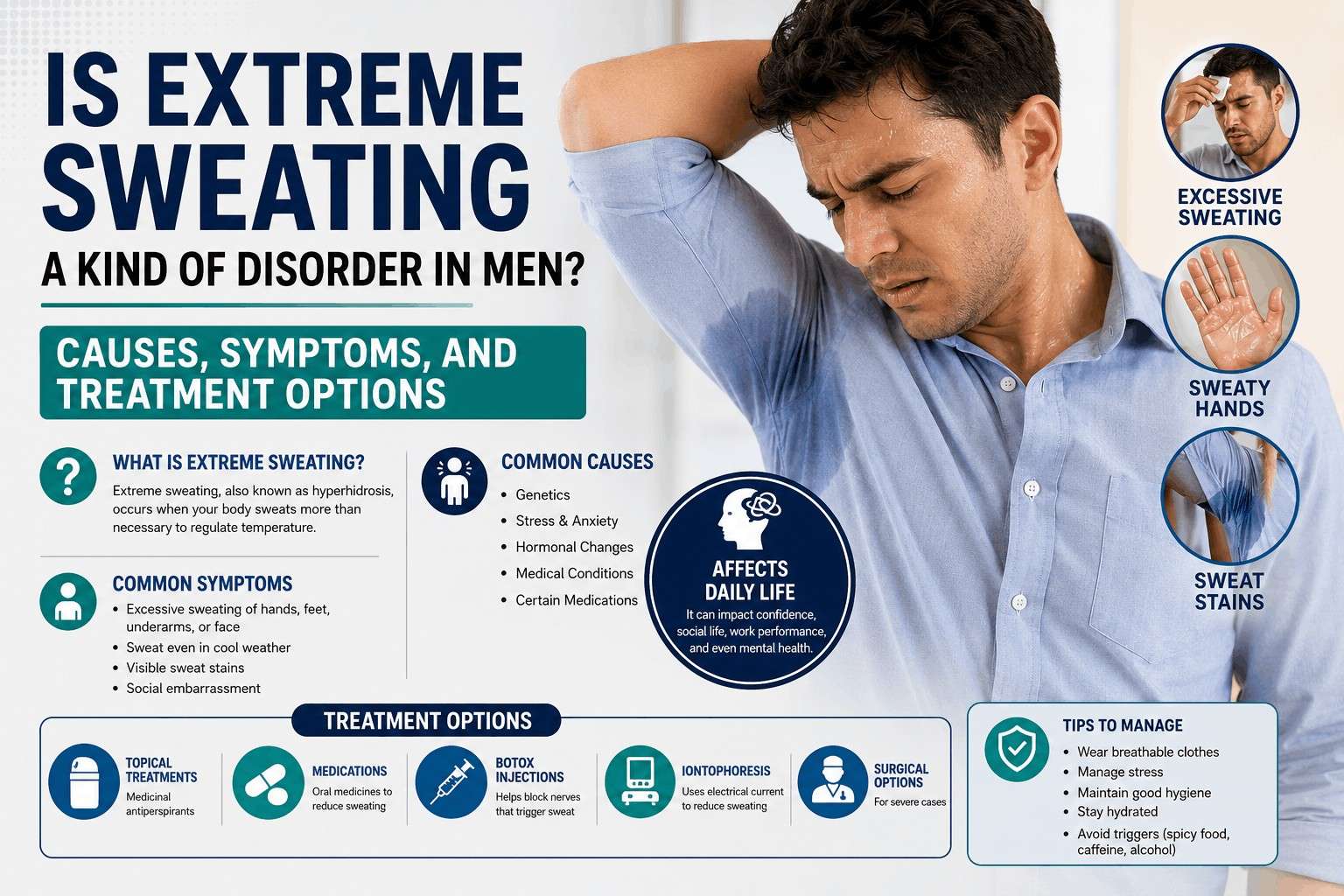
MiraDry treatment is a non-surgical procedure that reduces underarm sweating by targeting and disabling sweat glands. This guide explains how MiraDry works, who is a good candidate, typical results, recovery expectations, risks, costs, and practical planning tools to decide if it is the right option for axillary hyperhidrosis.
- What it is: A device-based thermal ablation procedure to reduce underarm sweat glands.
- Primary benefit: Durable sweat reduction for many people after 1–2 sessions.
- Main trade-offs: Immediate swelling, temporary numbness, cost and potential side effects.
- Planning tool: Use the MIRA checklist (Medical review, Informed consent, Recovery plan, Aftercare).
- Detected intent: Informational
MiraDry treatment: how it works and who it helps
MiraDry uses controlled microwave energy to heat and destroy sweat glands in the axilla (underarm) without an incision. The treatment targets eccrine and apocrine glands responsible for excessive sweating and many people report a large, sustained reduction in perspiration after one or two sessions. Candidates are typically adults with focal axillary hyperhidrosis who have tried conservative options such as prescription antiperspirants, oral medications, or botulinum toxin injections.
Key terms and related concepts
- Hyperhidrosis: medically significant excessive sweating.
- Eccrine glands: sweat glands involved in thermoregulation, common target in MiraDry.
- Axillary hyperhidrosis: focal sweating localized to the underarms.
- Alternative treatments: topical antiperspirants, botulinum toxin (Botox), iontophoresis, oral glycopyrrolate, surgical options.
What to expect during and after treatment
Appointments typically include marking the treatment area, local anesthesia, and a procedure that lasts about 60–90 minutes for both armpits. Most people experience immediate swelling and numbness that gradually resolves. Expect to return to light activity within a day or two; strenuous arm movement should be limited for several days.
Recovery and downtime (MiraDry side effects recovery time)
Common short-term effects: swelling, bruising, soreness, temporary underarm numbness. These usually improve within days to weeks. Full recovery timelines vary: skin sensitivity and numbness often resolve over weeks to months, while sweat reduction is typically noticeable within weeks and can be long-lasting. If additional sessions are needed, they are typically scheduled several months apart.
Effectiveness, safety, and official guidance
Clinical studies and patient reports indicate many patients experience a significant reduction in underarm sweating after MiraDry. The device has received regulatory clearances for this indication. For evidence-based information and support resources about hyperhidrosis, consult the International Hyperhidrosis Society, which provides patient resources and treatment comparisons.
Risks and who should avoid MiraDry
- Possible complications: prolonged numbness, temporary nerve irritation, infection (rare), localized skin changes.
- Not recommended for: active skin infections in the area, certain implanted electronic medical devices, or poor wound-healing conditions without physician clearance.
Planning and decision framework: the MIRA checklist
Use the MIRA checklist to structure the decision and prepare for treatment:
- Medical review — Confirm diagnosis of axillary hyperhidrosis and review prior treatments with a dermatologist or qualified clinician.
- Informed consent — Understand benefits, potential adverse effects, and realistic expectations.
- Recovery plan — Arrange time off and aftercare supplies (cold packs, loose clothing).
- Aftercare follow-up — Schedule a post-procedure check and know signs that require urgent care.
Short real-world example
Example: A 34-year-old office worker with axillary hyperhidrosis tried prescription antiperspirants and two Botox cycles with temporary relief. After a dermatology evaluation and discussion of risks, the patient had one MiraDry session and reported a 70% reduction in underarm sweating at three months, mild numbness that resolved at six months, and no complications. This scenario illustrates typical benefit and a standard recovery course.
Costs, insurance, and practical considerations
MiraDry is frequently considered elective; insurance coverage varies and often requires documentation that conservative treatments failed. Cost depends on region and clinic; obtain written estimates and ask about bundled pricing for bilateral treatment and potential touch-ups.
Common mistakes and trade-offs
- Expecting instant perfection — significant but not always complete sweat elimination is typical.
- Skipping conservative options — trying topical and injectable treatments first provides a risk-managed pathway.
- Underestimating recovery — plan for short-term limitations on arm use and temporary sensory changes.
Practical tips before and after MiraDry
- Schedule the procedure when a few days of light activity fit the routine; plan no heavy lifting for 3–7 days.
- Follow pre-procedure instructions: avoid blood-thinning medications and make-up or deodorant in the treatment area on the day of the appointment.
- Use cold compresses and over-the-counter pain relief as advised; keep follow-up appointments to track nerve recovery.
- Maintain realistic expectations: measure success by sweat reduction and improved quality of life, not by perfection.
Core cluster questions (internal linking targets)
- What are the non-surgical alternatives to MiraDry for reducing underarm sweat?
- How long do results from axillary sweat reduction procedures typically last?
- What should be included in a pre-procedure evaluation for focal hyperhidrosis?
- How do side effects compare between MiraDry and botulinum toxin injections?
- When is surgery considered for severe axillary hyperhidrosis?
Choosing a provider and follow-up
Choose a provider experienced in device-based dermatologic procedures. Confirm facility credentials, ask about complication rates, and verify post-treatment support. Keep a record of baseline sweat levels (photos, patient-reported outcomes) to compare after treatment.
Final considerations
MiraDry treatment can offer meaningful, durable underarm sweat reduction for people with focal axillary hyperhidrosis who have tried conservative measures. Careful candidate selection, realistic expectations, and the MIRA checklist help maximize benefits while managing risks.
How many sessions of MiraDry treatment are usually needed?
Most patients see substantial improvement after one session; some choose a second session for additional reduction. Treatment plans vary—discuss expected outcomes with the treating clinician during consultation.
Is MiraDry painful and what is the recovery like?
Local anesthesia minimizes pain during the procedure. Post-treatment discomfort, swelling, and numbness are common but usually temporary. Follow aftercare instructions and contact the clinic for prolonged or worsening symptoms.
How long before results appear and are they permanent?
Sweat reduction is often noticeable within weeks and can be long-lasting because targeted glands are reduced. Some patients require touch-up sessions months later; results vary by individual.
What are the most common side effects and how are they managed?
Swelling, bruising, soreness, and temporary numbness are the most common side effects. Cold packs, short-term pain relievers, and follow-up with the provider are standard management steps.
Can MiraDry treat sweating in other areas besides the underarms?
MiraDry is specifically cleared for axillary (underarm) treatment. Other focal hyperhidrosis locations have different treatment options; consult a clinician to discuss appropriate alternatives.