Eco Friendly Dog Poop Bags: A Practical Guide for Sustainable Pet Care
-

- March 08th, 2026
- 166 views

Get a free topical map and start building content authority today.
Choosing eco friendly dog poop bags reduces plastic pollution and helps manage pet waste more responsibly. This guide explains options, standards, and everyday practices so pet owners can pick bags and products that match their lifestyle and local disposal rules.
Primary focus: eco friendly dog poop bags — what "biodegradable" and "compostable" actually mean, how to dispose of pet waste safely, and other sustainable pet care essentials.
Detected intent: Informational
Secondary keywords: biodegradable dog waste bags, compostable dog poop bags
Core cluster questions- What is the difference between biodegradable and compostable dog poop bags?
- Can pet waste be added to a home compost pile?
- Which standards ensure a bag is truly compostable?
- How to dispose of dog poop in apartment buildings or public parks?
- What sustainable pet care products reduce environmental impact?
Why choose eco friendly dog poop bags
Single-use plastic bags used for pet waste contribute to urban litter and marine pollution. Switching to eco friendly dog poop bags reduces reliance on fossil-fuel plastics and can lower long-term environmental impact when combined with correct disposal. Pet waste can also carry pathogens and parasites; responsible containment and disposal protect public health. For details on health risks from contaminated soil and parasites, see the CDC guidance on parasitic infections from pet feces: CDC: Toxocariasis.
How to choose biodegradable and compostable options
Labels such as "biodegradable" and "compostable" are not interchangeable. Understanding the difference prevents wasted purchases and improper disposal.
Key terms and standards
- Biodegradable: Breaks down over time through microbial action; speed and by-products vary widely and may require industrial conditions.
- Compostable: Meets standards for breaking down into non-toxic compost within a defined timeframe under specified conditions (look for certifications like ASTM D6400, EN 13432, or BPI certification).
- Home-compostable: Certified specifically for backyard composting; fewer products meet this level.
SUSTAIN Checklist for evaluating bags
Use the SUSTAIN Checklist before buying:
- Standards: Check for ASTM, EN, or BPI certification.
- Use-case: Confirm whether bag is intended for industrial or home composting.
- Sourcing: Verify material origin (corn-based PLA, PBAT blends, recycled plastics).
- Transparency: Look for clear disposal instructions on packaging.
- Access: Consider local collection or organics programs accepting pet waste.
- Impact: Evaluate trade-offs such as production emissions vs. landfill persistence.
- Notes: Watch for additives or mixes that prevent compostability.
Practical tips for using and disposing of pet waste
- Carry a dedicated pouch of certified compostable bags for areas with organics collection; if none exists, use a durable bag for trash that contains waste securely.
- Never add untreated dog poop to a home vegetable garden compost intended for food crops; use industrial composting or secure disposal unless a product is certified for home composting and local health rules allow it.
- Store used bags in sealed containers until disposal to reduce odors and pest attraction.
- Check local municipal waste rules: some cities accept pet waste in curbside organics, others require landfill trash.
Common mistakes and trade-offs when choosing bags
Switching to eco options involves trade-offs. Common mistakes include:
- Assuming all "biodegradable" bags are compostable—many require industrial conditions and will not break down in home compost or the ocean.
- Using compostable bags where no composting infrastructure exists, which sends them to landfill where degradation is slow and methane can form without oxygen.
- Ignoring certification—unverified claims can be misleading.
Trade-offs to consider: compostable bags often rely on agricultural feedstocks that carry production impacts, while durable reusable scoops and sealed containers reduce single-use demand. Balance convenience, cost, and local disposal options.
Short real-world scenario
An apartment dweller with a small dog in a city without organics collection uses certified compostable bags to pick up waste during walks and stores sealed bags in a lidded container until the monthly building clean-out. A suburban homeowner with a private yard uses a dedicated, sealed waste bin collected by a pet-waste pickup service and uses reusable scoop tools to minimize bag use. Both approaches reduce plastic litter and manage health risks while matching available disposal options.
Must-have sustainable pet care products
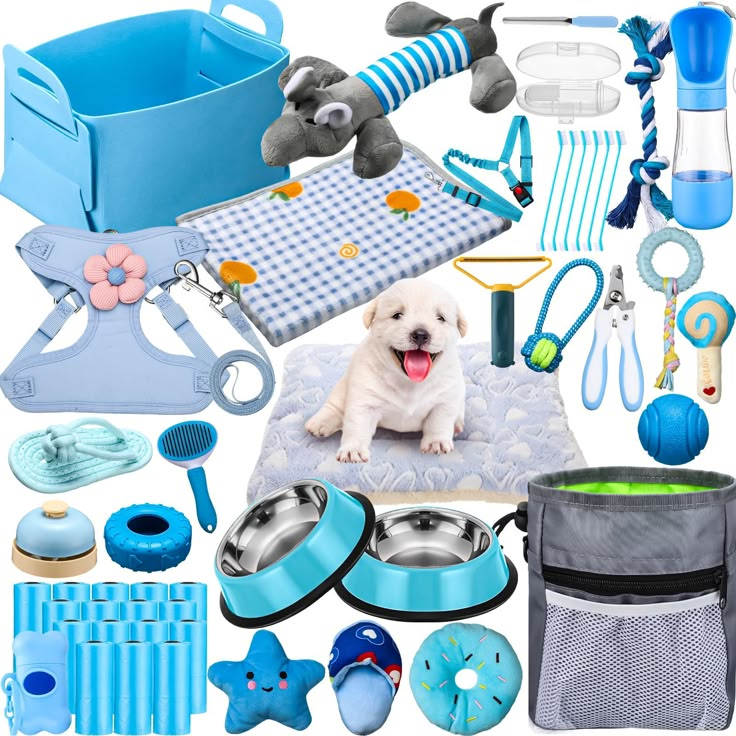
- Durable stainless-steel or ceramic bowls that last for years
- Recycled-fabric or long-lived leashes and collars
- Biodegradable grooming wipes and low-impact shampoos (look for clear ingredient lists)
- Reusable scoops and sealed waste bins to reduce bag dependence
FAQ
How to choose eco friendly dog poop bags?
Choose bags with clear certification (ASTM D6400, EN 13432, BPI) and disposal guidance that aligns with local municipal services. Prefer home-compostable certification only if home-compost processing is allowed and certified.
Are biodegradable dog waste bags safe to use in public parks?
Biodegradable bags that are not certified compostable behave like conventional plastics in the environment and may persist. Use certified compostable bags only where park authorities or municipal organics programs explicitly accept pet waste in compost streams; otherwise, place waste in trash receptacles.
Can pet waste be composted at home?
Home composting of pet waste is generally discouraged for food gardens because pathogens can survive typical backyard pile temperatures. If composting pet waste at home, follow local health guidance and use the resulting material only for non-food landscaping. Industrial composting facilities that accept pet waste achieve higher temperatures that reduce pathogen risk.
What standards or labels should be trusted?
Look for third-party certifications such as ASTM D6400 (U.S.), EN 13432 (EU), or BPI certification. Certification indicates testing for breakdown time and residual toxicity under specified conditions.
How should compostable or biodegradable bags be disposed?
Dispose compostable dog waste bags in the organics stream only if the local collection program accepts pet waste. If no such program exists, place them in general trash as per local rules to avoid contaminating recycling or organics bins.
Additional resources
For public health information on pet waste pathogens and risks, review CDC materials linked above.