How to Choose the Best Letterbox in Melbourne: Practical Guide & Checklist
-

- Published Updated
- 409 views
Detected intent: Commercial Investigation
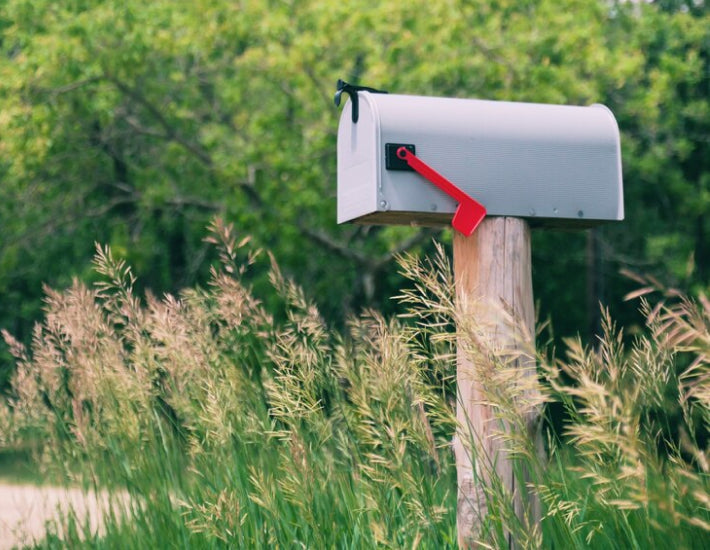
Choosing a letterbox Melbourne homeowners rely on every day requires balancing mail capacity, durability, security, and local rules. This guide explains the practical factors to consider when buying a letterbox from Melbourne shops, offers a named selection checklist, and shows how to compare local options so the final choice fits property style, budget, and postal requirements.
- Main goal: match size, access, material, and security to property and delivery needs.
- Use the S.A.F.E.R. Letterbox Selection Checklist to evaluate options in-store or online.
- Follow Australia Post guidance for placement and size to avoid delivery problems: Australia Post mailbox standards.
- Core cluster questions for further reading are listed below to support deeper research.
- What size letterbox is suitable for frequent parcel deliveries?
- How to install a freestanding vs wall-mounted mailbox at a suburban property?
- Which materials withstand Melbourne coastal weather best?
- How do Australia Post mailbox placement rules affect installation?
- What security features should a residential letterbox include?
letterbox Melbourne: key factors to evaluate before buying
When shopping for a letterbox Melbourne buyers must prioritize four practical factors: size and capacity, mounting style and placement, material and finish, and security/lock options. Each factor affects everyday use, longevity, and compliance with mail delivery requirements. Related terms to consider include mailbox, postbox, parcel locker, wall-mounted, freestanding, stainless steel, galvanised steel, and lockable mailbox.
S.A.F.E.R. Letterbox Selection Checklist (framework)
Use the S.A.F.E.R. framework to score candidate letterboxes on a simple scale (1–5) during in-store visits or when comparing online listings.
- Size & Capacity — Will it accept standard letters, magazines, and the most common parcel sizes? Check internal dimensions and throat size.
- Access & Mounting — Wall-mounted, pillar, or freestanding? Confirm how it mounts and whether the posting slot is weather-protected.
- Finish & Weather Resistance — Material (stainless steel, powder-coated steel, aluminum, treated timber) and corrosion resistance for Melbourne’s coastal and urban climates.
- Egress & Security — Lock type, rear access, anti-fishing baffles, and whether the lock is keyed or combination-based.
- Regulations & Compatibility — Meets Australia Post placement and size guidance and local council rules for front boundary fittings.
How to use the checklist
Score each item 1–5. Multiply material/weather score by use frequency (1–3) to prioritise durability on busy households. Document measurements and photos when inspecting models in shops to compare apples-to-apples.
Practical steps to buy a letterbox from Melbourne shops
1. Define use case and constraints
Decide whether the property receives many parcels, lives on a busy street, or needs a mailbox that matches heritage architecture. Measure the intended mounting area and the distance from the kerb if placing a freestanding pillar box.
2. Check Australia Post and local rules
Confirm mailbox placement and size rules with Australia Post and the local council before purchase; incorrect placement can prevent delivery. Refer to the authoritative guideline for standards on dimensions and installation to avoid non-delivery.
3. Inspect physical examples in stores
Visit a few Melbourne shops to test slot width, post-access, and lock feel. Look for solid welds, consistent powder-coating, and weather seals. Request product spec sheets to confirm internal capacity and mounting kit inclusion.
4. Compare warranty and spare parts
Prefer models with a clear warranty for finish and hardware. Ask about replacement locks, keys, or flaps available locally to avoid future incompatibilities.
Material, style, and security trade-offs (common mistakes)
Common mistakes to avoid when choosing a letterbox:
- Buying on aesthetics alone — a decorative box can rust or be too small for regular parcels.
- Ignoring mounting type — wall-mounted boxes may not suit brick veneer without proper anchors.
- Overlooking anti-fishing features — cheap drop slots allow retrieval of envelopes.
- Assuming all locks are equal — inexpensive locks may fail quickly in coastal conditions.
Trade-offs often involve cost vs durability (stainless steel lasts longer but costs more), and security vs convenience (rear-access locked boxes make retrieval slower but more secure).
Real-world example
Scenario: A townhouse in inner-Melbourne receives daily letters and occasional parcels. Required outcome: secure, wall-mounted mailbox that fits a padded parcel envelope and resists coastal humidity. Applying the S.A.F.E.R. checklist, a compact stainless-steel mailbox with a 30mm slot, rear lock access, and a 25L internal cavity scores high on Size, Finish, and Security while staying within the limit for wall-mounted depth. Local shop staff confirmed compatible anchors for brick veneer and provided the manufacturer’s parts list for future lock replacements.
Practical tips when buying in Melbourne
- Bring a tape measure and take photos of the mounting location before visiting shops.
- Ask retailers for product PDFs that list internal dimensions and mounting hardware.
- Prioritise powder-coated or stainless finishes for coastal suburbs to reduce corrosion.
- Request a demonstration of lock operation and check spare key availability.
- Confirm whether the mailbox meets Australia Post placement guidelines to avoid non-delivery.
Where to check regulations and get authoritative guidance
Australia Post publishes mailbox standards and placement recommendations that affect deliverability; consult those rules before purchase and installation. Local councils may impose additional controls for boundary fixtures or heritage areas—always verify with the relevant council planning office.
FAQ
What size letterbox Melbourne guidelines recommend?
Australia Post provides suggested slot sizes and internal clearances for typical letter and parcel deliveries; choose a box with an internal depth and throat width that accommodates common magazines and small parcels. Checking the official guidelines ensures compliance and reduces delivery issues.
Is a locked letterbox necessary for residential areas?
Locking improves privacy and reduces theft risk. For high-traffic urban streets or properties with valuable mail, select a model with a robust lock and rear access to balance convenience and security.
Which materials perform best in Melbourne’s coastal suburbs?
Stainless steel and well-applied powder-coated aluminium resist corrosion best. Avoid untreated steel unless galvanised and regularly maintained; timber can work with protective finishes but requires more upkeep.
Should the post slot face the street or the property entrance?
Placement should follow Australia Post guidance and local council rules. Typically, the posting slot should be accessible from the street for curbside delivery, but many installations use rear access for homeowner convenience—verify permitted configurations.
How to maintain a letterbox to extend its life?
Regularly clean finishes, lubricate locks with graphite, and touch up any chipped paint or powder-coating to prevent corrosion. Check fastenings annually and replace worn seals to keep weather and pests out.