Best Tan Removal Treatment: Safe, Effective Methods for Face & Body
-

- March 14th, 2026
- 729 views

Get a free topical map and start building content authority today.
Detected intent: Informational
The best tan removal treatment depends on the cause and depth of discoloration. This guide explains safe, evidence-informed options for reducing a sun tan, preventing recurrence, and treating post-inflammatory hyperpigmentation with realistic timelines and a step-by-step framework for both face and body.
- Determine whether discoloration is a superficial tan (excess melanin on the skin surface) or deeper hyperpigmentation.
- Start conservative treatments first: consistent sunscreen, gentle exfoliation, antioxidant serums, and topical lightening agents as directed.
- Consider professional options (chemical peels, microdermabrasion, lasers) for persistent or deeper pigment changes; discuss risks and downtime with a licensed provider.
- Use the CLEAR framework to structure treatment and prevention.
Best tan removal treatment: safe options and how to choose
Choosing the best tan removal treatment starts with identifying whether the discoloration is a temporary suntan or persistent hyperpigmentation. Superficial tans usually respond to exfoliation and sun protection; persistent spots may require targeted topical agents or in-office procedures handled by a trained clinician.
What causes a tan and how it affects treatment
Melanin response and sun exposure
Melanin production increases after UV exposure. A tan forms when pigment sits in upper skin layers; post-inflammatory hyperpigmentation (PIH) may be triggered by acne, irritation, or injury and can be deeper and longer-lasting.
Why depth matters
Superficial pigment usually improves with exfoliation and topical antioxidants. Deeper pigment may need topical agents that inhibit melanin synthesis or professional procedures (chemical peels, laser resurfacing) to accelerate skin turnover.
Recommended step-by-step framework: the CLEAR checklist
The CLEAR checklist provides a repeatable approach for most tan removal cases:
- Cleanse: Use a mild, pH-balanced cleanser to remove surface oils and sunscreen residues.
- Lighten: Apply evidence-backed topical agents (niacinamide, vitamin C, kojic acid, or prescription treatments when indicated).
- Exfoliate: Use gentle chemical exfoliants (alpha hydroxy acids like glycolic or lactic acid) 1–3 times weekly depending on tolerance.
- Apply broad-spectrum sunscreen daily: Prevents further darkening and supports treatment gains (see dermatologist guidance).
- Restore barrier: Finish with moisturizers and barrier-repair ingredients (ceramides) to avoid irritation and PIH.
At-home treatments: what works and when
Topical agents and serums
Antioxidants (vitamin C), niacinamide, mild acids (glycolic, lactic), and topical tyrosinase inhibitors (kojic acid, azelaic acid) can lighten superficial tan and even skin tone over 6–12 weeks. Prescription products (retinoids, hydroquinone) may be appropriate for more stubborn pigment under clinician supervision.
Physical and chemical exfoliation
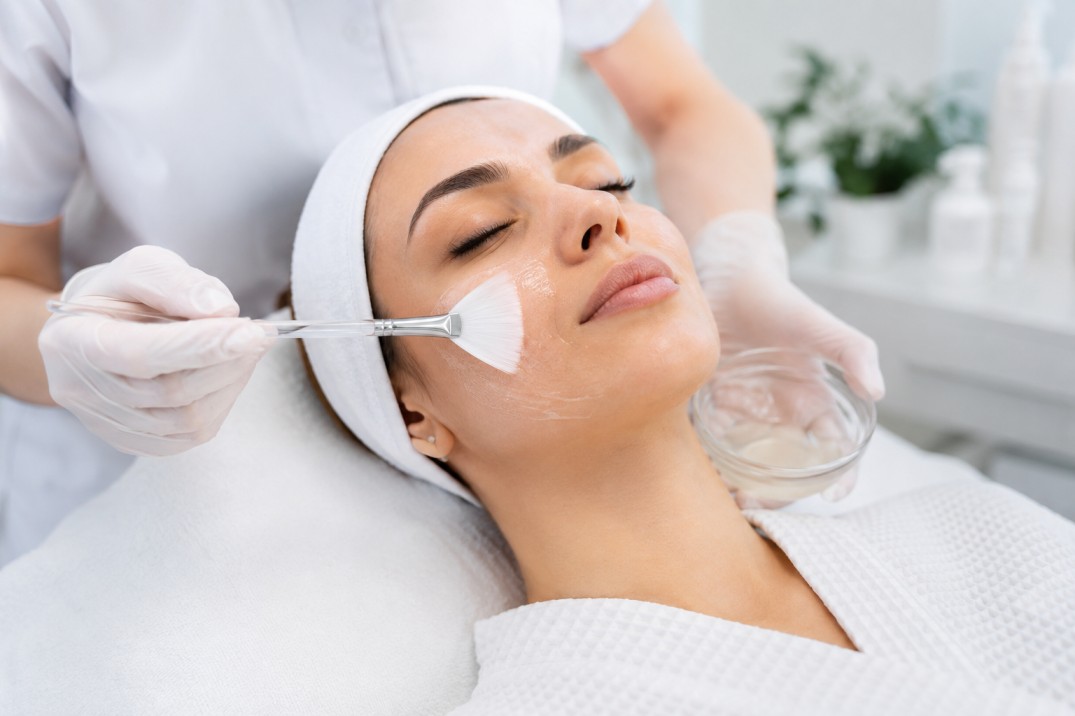
Regular gentle exfoliation removes pigmented keratinocytes. Avoid aggressive scrubs that cause microtears and risk PIH. When used correctly, chemical peels with low-to-moderate concentrations of AHAs or mild trichloroacetic acid (TCA) in a clinical setting can speed improvement.
Professional procedures and when to consider them
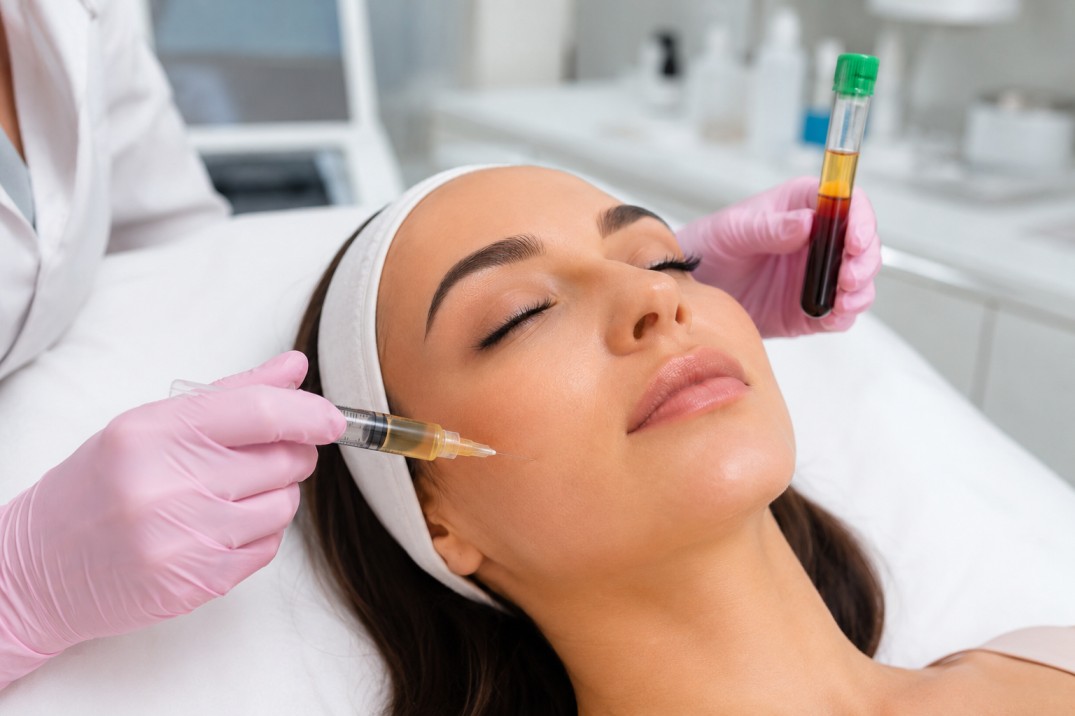
For pigment that does not improve with conservative care, professional tan removal procedures such as medium chemical peels, microdermabrasion, intense pulsed light (IPL), or pigment-targeting lasers may be options. Risks, cost, and recovery vary — discuss expectations and skin type considerations with a board-certified dermatologist.
Prevention: sunscreen and protective habits
Daily broad-spectrum sunscreen is the single most effective prevention step. For guidance on sunscreen types and application, consult the American Academy of Dermatology resource: American Academy of Dermatology.
Short real-world example
Scenario: After a weekend at the beach, a person develops an even facial tan. Using the CLEAR framework, treatment began with a gentle cleanser, 10% glycolic acid exfoliant twice weekly, daily vitamin C serum in the morning, and SPF 50 daily. After eight weeks, visible lightening occurred. For persistent darker patches, a clinician-recommended 35% glycolic peel delivered improvement after one in-office session, with ongoing sunscreen to prevent recurrence.
Practical tips (3–5 actionable points)
- Patch test any new acid or lightening product on a small skin area for 7–10 days before full-face use.
- Apply broad-spectrum sunscreen every morning and reapply after swimming or heavy sweating.
- Introduce one active product at a time (for example, vitamin C in the morning, a single exfoliant at night) to identify irritation.
- If using prescription treatments, follow clinician directions strictly and report irritation early to avoid worsening PIH.
Trade-offs and common mistakes
Over-exfoliation and irritation
Excessive scrubbing or consecutive strong peels can damage the barrier and trigger PIH, especially in darker skin tones. Balance efficacy with gentleness.
Expectation mismatch
Tans and hyperpigmentation often take weeks to months to fade. Unrealistic expectations lead to combining too many active products, increasing irritation risk.
Ignoring sun protection
Failing to use sunscreen undermines all tan-removal efforts and increases recurrence risk.
Core cluster questions
- How long does it take to remove a tan with topical treatments?
- What home remedies are actually effective to remove facial tan at home?
- When should a professional tan removal procedure be considered?
- Which active ingredients are safest for dark skin types with tan or hyperpigmentation?
- How does sunscreen fit into a tan removal treatment plan?
FAQ
What is the best tan removal treatment for the face?
For most people with an uncomplicated sun tan, a combination of regular sunscreen, antioxidant serums (like vitamin C), gentle chemical exfoliation (AHA), and niacinamide provides visible improvement. Persistent or deep pigment may require prescription topical agents or in-office procedures; consult a dermatologist to choose the right approach for skin type and pigment depth.
Can natural remedies effectively remove a tan?
Some natural ingredients (like vitamin C-rich extracts or mild fruit acids) can help, but many home remedies lack consistent evidence and can irritate skin. Prioritize products with clear ingredient lists and avoid anything that causes redness or stinging.
Are chemical peels safe for all skin types?
Chemical peels can be effective, but concentrations and types should be chosen based on skin type and pigment risk. Superficial peels are generally safer across skin tones; deeper peels need professional assessment to avoid scarring or PIH.
How long will the best tan removal treatment take to show results?
Expect initial lightening in 4–8 weeks with consistent topical care; full improvement of deeper pigment may take several months or require in-office treatments and maintenance.
Does sunscreen really prevent a tan?
Yes. Daily broad-spectrum sunscreen prevents new UV-driven pigment formation and preserves results from any tan removal treatment. Reapply every two hours during sun exposure and choose SPF 30 or higher for extended outdoor activity.