Best PRP Treatment Clinics in Karachi: Top 10 Reviewed and How to Choose
-
- April 13th, 2026
- 204 views

Get a free topical map and start building content authority today.
Finding trustworthy PRP treatment clinics in Karachi requires a mix of clinical verification, patient outcomes, and realistic expectations. This guide reviews the top 10 clinic types and locations, explains selection criteria, and provides a practical checklist for choosing a provider for hair restoration, dermatology, or orthopedic PRP therapy.
- Detected intent: Informational
- Primary focus: compare and evaluate PRP treatment clinics in Karachi
- Includes: top-10 clinic reviews (by type), an evaluation checklist, quick tips, a real-world scenario, and 5 related cluster questions
PRP treatment clinics in Karachi — how the top 10 were selected
The list below groups common clinic types and credible provider models offering platelet-rich plasma (PRP) services in Karachi. Selection criteria include: clinician qualifications (dermatologist, orthopedic surgeon), on-site laboratory process control, clear informed consent, documented follow-up, and published or verifiable patient safety practices. PRP protocols vary by indication (hair loss vs. joint pain), so clinic suitability depends on the target condition.
Top 10 PRP clinic picks (types and notable examples)
Below are ten clinic profiles to consider in Karachi. Each entry includes what to verify and which specialty typically leads care.
1. Dermatology-led hair restoration clinics
Typical focus: androgenic alopecia and female pattern hair loss. Verify: board-certified dermatologist, photographic before/after records, course of multiple sessions, combined therapy plans (minoxidil, topical treatments).
2. Cosmetic surgery centers with regenerative medicine units
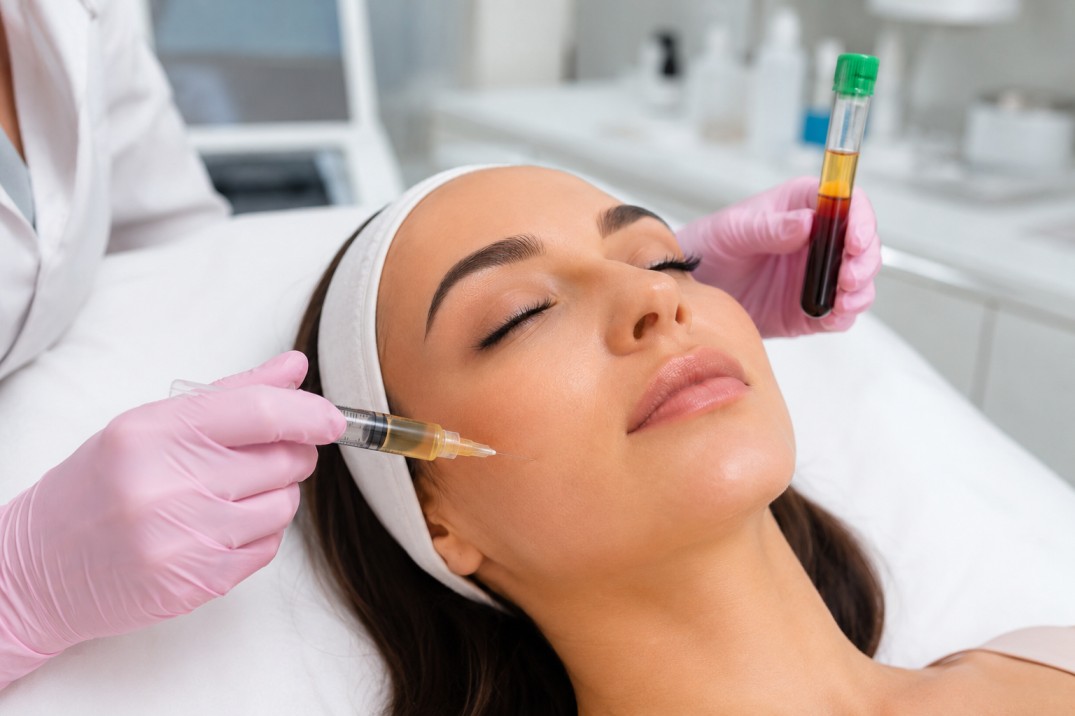
Typical focus: PRP combined with microneedling, fat grafting, or facial rejuvenation. Verify: sterile processing area for blood handling, documented protocols for centrifugation, and post-procedure care instructions.
3. Orthopedic and sports medicine clinics
Typical focus: joint injections, tendinopathies, and soft-tissue healing. Verify: orthopedic or sports-medicine qualification, image-guided injection capability (ultrasound), and outcome tracking.
4. Multi-specialty hospitals with in-house pathology
Typical focus: hospital-standard infection control, availability of labs for platelet-count verification. Verify: accreditation, on-site lab records, and formal consent forms.
5. Private regenerative medicine practices
Typical focus: personalized PRP regimens. Verify: transparency on PRP preparation method, platelet concentration ranges, and session scheduling.
6. Trichology clinics (hair specialists)
Typical focus: non-surgical hair restoration plans. Verify: diagnostic tests (trichoscopy, hormone tests when relevant) and multi-modal treatment plans rather than a single PRP session.
7. Day-surgery clinics offering aesthetic PRP
Typical focus: facial rejuvenation, scar remodeling. Verify: sterile procedure rooms and emergency protocols.
8. Physiotherapy centers partnered with medical oversight
Typical focus: PRP for musculoskeletal rehab when offered under physician supervision. Verify: direct physician involvement, objective outcome measures.
9. Dental clinics offering PRP for oral/maxillofacial procedures
Typical focus: socket preservation, implant site augmentation. Verify: dental surgeon qualification and lab handling records.
10. University-affiliated clinics or clinical trial sites
Typical focus: protocol-driven treatments and monitored outcomes. Verify: institutional oversight and ethical review documentation.
PRP Clinic Evaluation Checklist (named framework: READY Checklist)
The READY Checklist helps compare providers before booking a PRP course.
- R — Review clinician credentials (specialty, board certifications)
- E — Examine preparation process (centrifuge model, platelet count if available)
- A — Ask about imaging or diagnostic steps (ultrasound for injections, trichoscopy for hair)
- D — Demand informed consent and written aftercare instructions
- Y — Yearly follow-up and outcome documentation (before/after photos, PROMs)
Practical tips for patients seeking PRP therapy
- Bring prior medical records and photos of the affected area to the first consult.
- Ask for the PRP protocol in writing: number of spins, platelet concentration goals, number of sessions, and combination therapies.
- Prefer clinics that use ultrasound guidance for joint injections and provide pre/post care instructions.
- Request references or anonymized case outcomes and verify any stated accreditations.
Common mistakes and trade-offs when choosing a PRP clinic
Trade-offs exist between cost, convenience, and clinical rigor:
- Choosing a low-cost provider may save money short-term but risk inconsistent PRP preparation and poorer outcomes.
- Clinics that promise dramatic results after a single session should be treated with caution—most protocols require multiple treatments over months.
- Highly specialized centers may cost more but offer imaging-guided injections and documented follow-up, which can improve safety and measurable outcomes.
Short real-world scenario
Scenario: A 34-year-old male with early androgenic hair thinning is evaluating PRP. Using the READY Checklist, the patient found a dermatologist-led clinic that documented platelet counts and offered a 3-session protocol spaced 6 weeks apart, combined with topical therapy. The clinic provided baseline photos and scheduled a 6-month follow-up to measure progress. This model prioritized diagnostics and follow-up over a one-off promotional price.
Costs and what affects price
Costs vary widely depending on clinic type, whether imaging is used, the PRP kit and centrifuge, and the number of sessions. Asking for an itemized quote can reveal what is included (consultation, blood processing, injection, follow-ups).
Evidence and safety notes
PRP is used across specialties, but protocols and evidence quality differ by indication. For reliable public health information on platelet-rich plasma, consult an established health authority resource such as the NHS platelet-rich plasma information page: NHS platelet-rich plasma guidance.
Core cluster questions (for internal linking and expansion)
- How long does PRP for hair restoration take to show results?
- What are the differences between PRP methods and kits?
- When is ultrasound guidance recommended for PRP injections?
- How many PRP sessions are typically needed for knee osteoarthritis?
- What pre-procedure tests should be done before PRP therapy?
FAQ
How to choose PRP treatment clinics in Karachi?
Use the READY Checklist: verify clinician credentials, ask for the PRP protocol and platelet-count goals, confirm sterile handling and imaging guidance when relevant, and require written aftercare and follow-up plans. Compare itemized quotes rather than price alone.
Is PRP safe for hair loss and joint injections?
PRP is generally safe when performed under proper clinical conditions, but safety depends on sterile blood handling, correct injection technique, and clinician experience. Discuss risks and alternatives during a medical consultation.
What should a realistic timeline and outcome expectation look like?
Most protocols require multiple sessions (commonly 3 sessions spaced 4–8 weeks apart) with follow-up at 3–6 months to assess effect. Expect incremental improvement rather than immediate dramatic change.
Do clinics in Karachi provide documentation of PRP preparation?
Reputable clinics will document their PRP preparation method (centrifuge settings, approximate platelet enrichment) and be willing to share protocol details upon request. If a clinic refuses to disclose this, consider alternative providers.
Can PRP be combined with other treatments?
Yes. PRP is often combined with microneedling, topical therapies for hair, physical therapy for musculoskeletal problems, or surgical procedures. Ensure combined approaches are supported by a clinician with appropriate specialty training.