How to Choose Dental Restoration Services in Bittern: A Comparative Guide
-
- March 10th, 2026
- 200 views
Finding the right provider for dental restoration services Bittern requires understanding treatments, trade-offs, and local options. This guide compares common restorations—crowns, bridges, implants, dentures and veneers—so decisions match clinical needs, budget and lifestyle.
Intent: Commercial Investigation
Quick take: Choose fillings for minor decay, crowns or onlays for strength, implants for long-term tooth replacement, bridges when implants aren’t suitable, and dentures for multiple missing teeth. Use the RESTORE checklist below to evaluate providers and compare cost, durability, aesthetics and recovery time.
Why compare dental restoration services Bittern
Local clinics offer different combinations of skill sets, materials and financing. Comparing services helps match a restoration’s expected lifespan, appearance and function to personal priorities—especially when multiple clinically acceptable options exist. Standard references from professional associations inform safety and evidence-based choices; for example, the Australian Dental Association provides guidance on routine restorative care and infection control (ADA Australia).
Types of restorations and real-world trade-offs
1. Fillings (composite, amalgam)
Best for small cavities or minor damage. Composite resin matches tooth color but is less durable in large restorations compared with amalgam. Quick, low-cost, minimal recovery.
2. Inlays and onlays
Conservative alternatives to full crowns. Useful when a significant portion of the chewing surface is damaged but enough tooth structure remains. Typically made from ceramic or gold, offering better longevity than large fillings.
3. Crowns
Crowns restore teeth that are fractured, heavily filled or root canal treated. Options include porcelain-fused-to-metal, all-ceramic and zirconia. Trade-offs include aesthetics vs. strength and the need to remove more tooth structure than with an onlay.
4. Bridges
Fixed bridges replace one or more missing teeth using adjacent teeth as supports. Less invasive up-front than implants but can stress supporting teeth and sometimes shortens the lifespan of healthy abutment teeth.
5. Implants
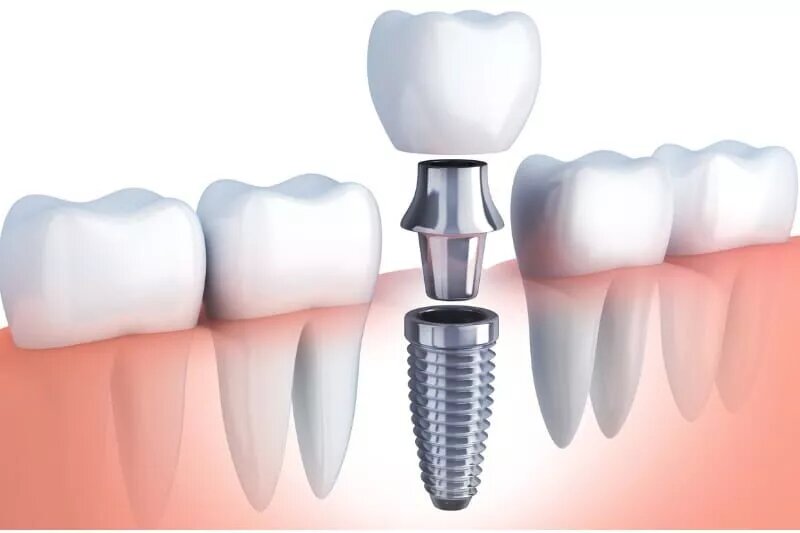
Dental implants replace tooth roots with titanium posts and support crowns or bridges. High initial cost and surgical recovery are balanced by long-term durability and bone preservation. Implants are often the best long-term solution but require sufficient bone and medical suitability.
6. Dentures and partials
Removable prostheses are cost-effective for multiple missing teeth. Modern dentures can be comfortable and aesthetic but typically require more maintenance and periodic relining than fixed solutions.
How to compare providers: the RESTORE checklist
Use this named framework to evaluate clinics and treatment plans. RESTORE is a quick decision checklist that covers clinical and practical factors.
- Required condition: Is the proposed restoration the least invasive clinically appropriate option?
- Esthetics: How closely does the material match adjacent teeth and desired appearance?
- Strength & durability: Expected lifespan and warranty or follow-up policy.
- Timeline: Number of visits, healing time and temporary solutions.
- Options: Alternative treatments presented and explained.
- Risks & side-effects: Sensitivity, need for root canal, bone grafting or future maintenance.
- Expense: Clear cost breakdown, including labs, imaging, anesthesia and follow-up.
Comparative factors: cost, durability, appearance and recovery
Costs vary by material, complexity and lab fees. Typical comparative expectations:
- Fillings: lowest cost; lifespan 5–10 years for composites
- Crowns: mid-range cost; lifespan 10–15+ years depending on material
- Bridges: similar to crowns but multiple units increase cost
- Implants: highest up-front cost; lifespan often 15+ years with proper care
- Dentures: variable cost; require periodic replacement or relines
Common trade-offs and mistakes
Failing to compare trade-offs leads to common mistakes:
- Choosing the cheapest option without assessing long-term costs (repairs, replacements).
- Accepting a fixed bridge when an implant would preserve bone and reduce future interventions.
- Underestimating recovery time for implants or bone grafting procedures.
- Over-prioritizing aesthetics at the expense of structural strength for posterior teeth.
Short real-world scenario
Scenario: A patient in Bittern has a fractured upper molar with a large previous filling and intermittent pain. Options from two local clinics: a crown (two visits, moderate cost, preserves chewing function) vs. extraction and implant (longer timeline, higher cost, better long-term bone preservation). Using the RESTORE checklist, the patient prioritizes durability and chooses implant after confirming bone density and medical suitability—while arranging a temporary bridge to maintain function during healing.
Practical tips for choosing dental restoration services Bittern
- Ask for detailed treatment plans with timelines, materials and itemized costs before consenting.
- Request photographs, lab information and material options to compare aesthetic outcomes.
- Verify clinic sterilisation standards and professional affiliations (e.g., Australian Dental Association membership).
- Confirm follow-up policies and warranties for lab-made restorations (crowns, bridges, dentures).
Core cluster questions
- When is a dental implant preferable to a bridge?
- How long do crowns and bridges last compared with implants?
- What are the common costs and financing options for dental restorations?
- How to evaluate a dentist’s experience with cosmetic vs. restorative cases?
- What pre-treatment assessments are needed before implants or bone grafts?
FAQ
What are the most common dental restoration services Bittern patients request?
Common requests include fillings, crowns, bridges, implants and dentures. The right choice depends on tooth condition, budget and aesthetic goals.
How much do dental implants cost compared with crowns or bridges?
Implants typically have a higher initial cost because of surgery, implant components and lab work. Crowns and bridges usually cost less up-front but may require replacement sooner, affecting lifetime cost.
How long does recovery take after getting an implant?
Initial healing from implant surgery can take 1–2 weeks for soft tissues, with osseointegration (bone bonding) taking 3–6 months before final restoration placement. Additional grafting extends timelines.
How to compare aesthetic outcomes for veneers, crowns and composites?
Review before-and-after photos, ask about shade-matching systems, and request a mock-up or temporary restoration to preview the result. Materials like all-ceramic crowns and veneers generally provide superior aesthetics to composite inlays for front teeth.
Is there a standard for infection control and patient safety at dental clinics?
Yes. Clinics typically follow professional guidelines from national dental associations; for example, ADA Australia publishes best-practice standards for infection control and restorative procedures that clinics use as a reference.