Luxury Home Decor Trends: Timeless Designs and Practical Upgrades
-

- March 18th, 2026
- 319 views
Introduction
Understanding current luxury home decor trends helps homeowners make confident, long-lasting design decisions. This guide highlights the most influential luxury home decor trends, explains why they matter, and offers an actionable framework for planning upgrades that balance aesthetics, comfort, and resale value.
- Key trends: rich textures, sustainable materials, bespoke craftsmanship, biophilic elements, and layered lighting.
- Framework: LUX-5 — Plan, Material, Light, Craft, Comfort.
- Includes practical tips, a real-world before/after scenario, trade-offs, and five core cluster questions for further reading.
Top luxury home decor trends to prioritize
Current momentum in luxury design favors substance over flash: longevity, comfort, and environmental responsibility. The following sections break down the biggest directions shaping high-end interiors.
1. Rich textures and layered materials
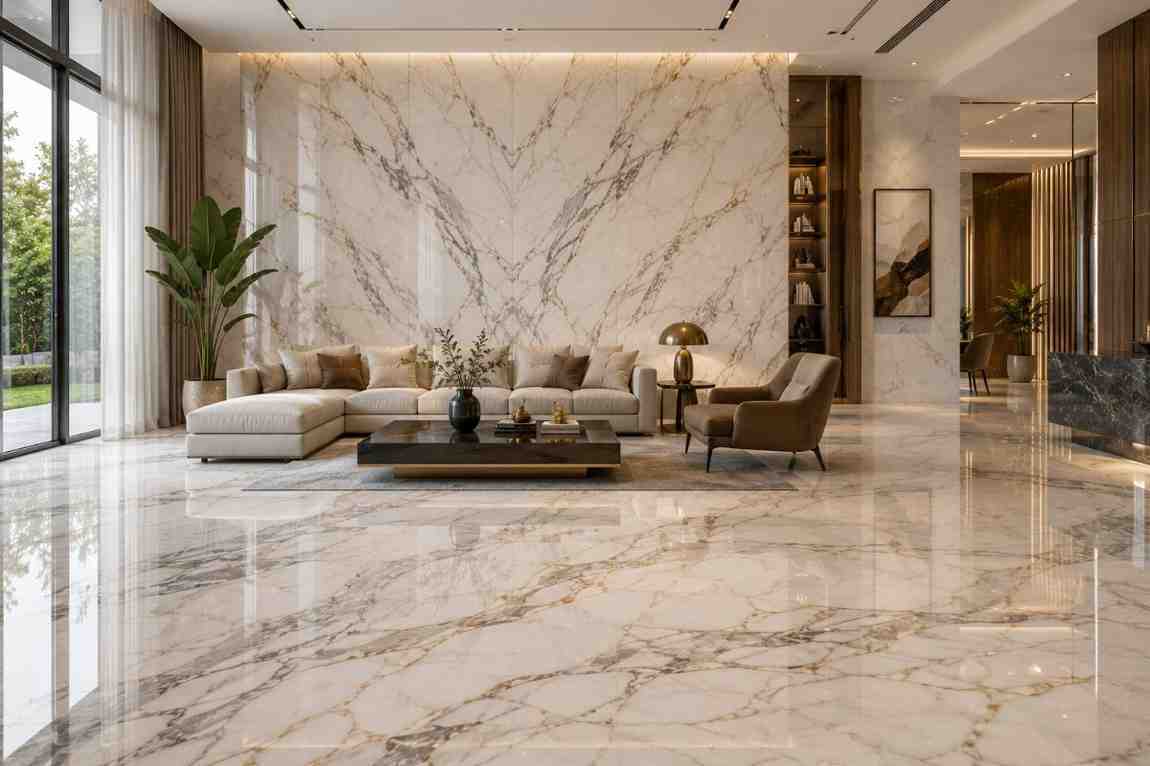
Luxury interiors increasingly use a mix of tactile surfaces—velvet, handwoven rugs, brushed metals, and honed stone—to create depth. Layering materials in a single room adds perceived value and helps spaces read as curated rather than staged.
2. Sustainable luxury and ethical sourcing
Sustainable luxury home design now blends premium aesthetics with responsibly sourced materials: certified hardwoods, low-VOC finishes, reclaimed stone, and artisanal textiles. Prioritizing durability reduces long-term environmental impact and supports resale narratives.
3. Bespoke craftsmanship and customization
Custom millwork, tailor-made upholstery, and one-off lighting fixtures elevate rooms. Bespoke pieces allow for perfect proportions and can solve awkward spatial conditions, making a home feel unique and thoughtfully composed.
4. Biophilic design and wellness
Integrating plants, natural light, and materials that mimic nature supports wellbeing. Designers reference wellness building principles to guide choices; for guidance on health-forward design practices, see the International WELL Building Institute's resources.
5. Layered lighting and thoughtful controls
High-end schemes use layered lighting—ambient, task, and accent—with dimmers and smart controls to set mood and show materials at their best. Lighting planning should be part of renovations, not an afterthought.
Practical framework: the LUX-5 planning model
Use the LUX-5 framework to convert trend awareness into a coherent project plan. This checklist helps prioritize decisions and communicates needs to contractors or designers.
- Plan — Define function, budget range, timeline, and a target aesthetic.
- Materials — Select durable, low-maintenance finishes; prefer certified or reclaimed options where possible.
- Light — Map natural and artificial light sources; plan layered lighting and windows/blinds placement.
- Craft — Allocate budget for key bespoke elements that impact perception (built-ins, statement furniture, artisan rugs).
- Comfort — Prioritize ergonomics, acoustics, and thermal comfort—these affect daily use and perceived luxury.
Real-world example: living room refresh scenario
Scenario: A 2,200 sq ft condo has a dated open-plan living area with beige paint, laminate floors, and basic recessed lighting. Goal: uplift to feel like a luxury retreat while keeping costs moderate.
Approach using LUX-5:
- Plan: Establish a $25k refresh budget, identify focal wall and seating layout.
- Materials: Replace laminate with engineered hardwood in a warm finish; install a handcrafted wool area rug for texture.
- Light: Add a layered scheme—a statement chandelier, side table lamps, and LED accent strips behind shelving controlled by dimmers.
- Craft: Commission a custom media console to fit the wall and conceal electronics, plus two upholstered armchairs with high-density foam.
- Comfort: Add acoustic panels hidden as artwork to reduce reverberation and improved cushions for deeper seating comfort.
Result: The space reads as intentional and high-end; the targeted custom elements (console and lighting) deliver perceived luxury while material choices keep the budget under control.
Practical tips for executing luxury updates
- Invest in two anchor pieces (sofa, dining table) and update smaller items seasonally—this keeps the room feeling fresh with controlled cost.
- Choose finishes that age well: matte metals, honed stone, and natural textiles typically show wear more gracefully than high-gloss surfaces.
- Work with a lighting plan from the start; lighting affects material appearance and room proportion more than paint or furniture alone.
- Prioritize tactile layers—rugs, throws, and curtains—to create warmth and hide minor imperfections in older housing stock.
Trade-offs and common mistakes
Trade-offs to consider
High-end materials often come with higher maintenance needs (e.g., suede vs. performance textiles). Selecting sustainable materials can increase upfront cost but reduce lifecycle impact. Bespoke pieces deliver uniqueness but extend lead times.
Common mistakes
- Overloading a room with matching pieces that remove contrast and depth.
- Neglecting scale—large furniture in small rooms or undersized lighting in double-height spaces.
- Skipping a professional lighting plan; poor lighting flattens textures and hides craftsmanship.
Core cluster questions
- How to choose sustainable materials for high-end interiors?
- What are cost-effective ways to add bespoke elements to a room?
- How to plan layered lighting for different zones in a home?
- What textiles are best for longevity in luxury furniture?
- How does biophilic design improve home wellbeing?
Metrics and practical decision criteria
When evaluating purchases or contractors, use measurable criteria: material lifespan (years), maintenance frequency (times/year), energy cost impact (annual kWh or $), and lead time (weeks). These metrics help weigh trade-offs objectively.
FAQ
What are the top luxury home decor trends to watch?
Key trends include layered textures, sustainable and certified materials, bespoke craftsmanship, biophilic elements that boost wellness, and integrated, layered lighting controlled by dimmers and smart systems.
How can sustainable luxury home design be achieved without overspending?
Balance: choose durable, low-maintenance materials in high-use areas and reserve premium or reclaimed options for focal elements. Reuse quality furniture, and invest in efficient lighting and HVAC upgrades that save money over time.
How to plan layered lighting for a luxury look?
Map zones (ambient, task, accent), select fixtures with compatible color temperatures, include dimming controls, and coordinate fixture scale with room dimensions. Adding wall sconces and table lamps creates depth and flexibility.
What makes something a lasting luxury feature?
Longevity, craftsmanship, and timeless proportions define lasting luxury. Quality joinery, solid-core doors, and well-selected natural materials tend to hold value longer than trend-led finishes.
What are luxury home decor trends that improve wellbeing?
Design choices that improve wellbeing include increased daylighting, indoor plants, non-toxic finishes, acoustic treatments, and materials that regulate humidity and thermal comfort. These align with industry wellness principles and certifications.
Related Posts