Transactional vs Promotional Emails: How Purpose, Design, and Impact Differ
-

- Published Updated
- 338 views

Understanding the practical differences between transactional vs promotional emails is essential for marketers, product teams, and compliance officers. This guide explains the purpose, legal context, design choices, and expected impact of each type so teams can improve deliverability, user experience, and conversion without mixing categories.
- Transactional emails deliver account- or action-based information (receipts, password resets); promotional emails drive marketing and sales (newsletters, offers).
- Keep transactional and promotional content separate to protect deliverability and comply with regulations.
- Use the SEND checklist (Sender, Expectations, Need-to-know, Delivery) to classify and design emails.
transactional vs promotional emails: core purpose and legal differences
Transactional emails fulfill a user's request or complete a transaction—examples include order confirmations, shipping notices, and password resets—while promotional emails aim to persuade the recipient about offers, content, or events. The distinction matters beyond semantics: deliverability, regulatory obligations, and allowable content differ.
Key characteristics that separate the two
Transactional emails (what they do)
- Triggered by user action or system events.
- Contain information necessary for the recipient (receipt, reset link, status update).
- Expect higher open rates and stricter deliverability expectations.
Promotional emails (what they do)
- Sent for marketing purposes: promotions, newsletters, product updates framed as offers.
- Require clear unsubscribe options and consent where applicable.
- Optimized for conversion metrics (click-through, revenue-per-email).
Why classification affects deliverability and engagement
Internet Service Providers (ISPs) and mailbox providers evaluate sending patterns, headers, and complaint rates. Mixing promotional content into transactional messages increases spam complaints and risks throttling. For consistent inbox placement, maintain distinct sending domains or subdomains and separate sending streams.
Regulatory note
Promotional messages are subject to anti-spam rules such as the CAN-SPAM Act and EU data-protection rules like GDPR when processing personal data. Transactional emails can include limited promotional content in some jurisdictions but must primarily serve the transaction and respect local laws. For official guidance on CAN-SPAM compliance, see the FTC resource: FTC CAN-SPAM guidance.
SEND checklist (framework) for classifying and building each email
- Sender — Is the email sent from a transactional domain or a marketing domain?
- Expectations — Did the recipient expect this message after an action (purchase, sign-up)?
- Need-to-know — Does the content deliver critical information vs. marketing persuasion?
- Delivery — Is the timing triggered by an event or scheduled for a campaign?
Design and content best practices
Design transactional emails for clarity: prominent subject lines, clear timestamps, action links, and concise confirmation details. Promotional emails should focus on persuasive copy, visual hierarchy, and a strong call to action. Avoid burying marketing inside confirmations—if marketing is present, keep it subtle and do not obscure transactional facts.
Practical tips
- Use separate sending IPs or subdomains for transactional and promotional streams to protect reputation.
- Keep subject lines explicit: "Your receipt from [Company]" vs "Weekend sale: 30% off"—clarity reduces confusion and complaints.
- Implement robust authentication: SPF, DKIM, and DMARC for both streams to improve deliverability.
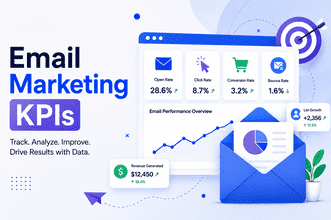
- Track separate KPIs: deliverability and action reliability for transactional emails; opens, clicks, and conversions for promotional campaigns.
- Rate-limit promotional sends and segment lists to reduce unsubscribe and spam-complaint risk.
Common mistakes and trade-offs
Common mistakes
- Mixing promotional content into critical transactional messages, which increases complaints and can lower deliverability for essential emails.
- Using the same subject pattern for both types, confusing recipients and ISPs.
- Failing to authenticate sending domains, leading to spoofing and deliverability failures.
Trade-offs
Separating streams improves reliability but adds operational complexity and potential cost (additional IPs, monitoring). Including a small, unobtrusive marketing line in a transactional email can boost revenue but increases risk—test cautiously and monitor complaints and bounce rates.
Real-world scenario
Scenario: An online retailer sends an order confirmation (transactional) that includes a small section: "People who bought this also liked…" If sent from the same domain and IP as marketing campaigns with high complaint rates, the confirmation delivery might be delayed or filtered. Better approach: keep the core receipt clean and send the recommendation as a separate, targeted promotional follow-up to engaged customers.
Measurement and monitoring
Track separate metrics and set alerts for spikes in bounce rate, spam complaints, or delivery latency on the transactional stream. Use mailbox-provider dashboards and feedback loops to detect issues early.
Frequently asked questions
What are transactional vs promotional emails and how do they differ legally and functionally?
Transactional emails are action- or account-related; promotional emails are marketing. Legally, promotional emails require clear unsubscribe mechanisms and often explicit consent depending on jurisdiction; transactional messages are treated differently because they are necessary for service delivery, but local rules still apply.
Can a transactional email include promotional content?
Limited, subtle promotional content is sometimes allowed, but embedding heavy marketing in transactional emails risks deliverability and may violate local regulations. Prefer separate, targeted promotional sends.
How should deliverability be protected when sending both types?
Use separate sending streams, authenticate with SPF/DKIM/DMARC, monitor feedback loops, and keep complaint rates low by honoring preferences and clear expectations.
What metrics should be tracked separately for each stream?
Transactional: delivery rate, latency, bounce rate, operational errors. Promotional: open rate, click-through, conversion rate, unsubscribe and complaint rates.
transactional vs promotional emails: which should get priority in a deliverability outage?
Transactional emails should get priority—customers depend on them for account access, receipts, and safety-related alerts. During outages, reduce promotional volume to preserve resources for critical transactional delivery.