Tuning Fork Tests for Hearing: Types, Procedure, Uses & Limitations
-

- September 13th, 2026
- 3,355 views
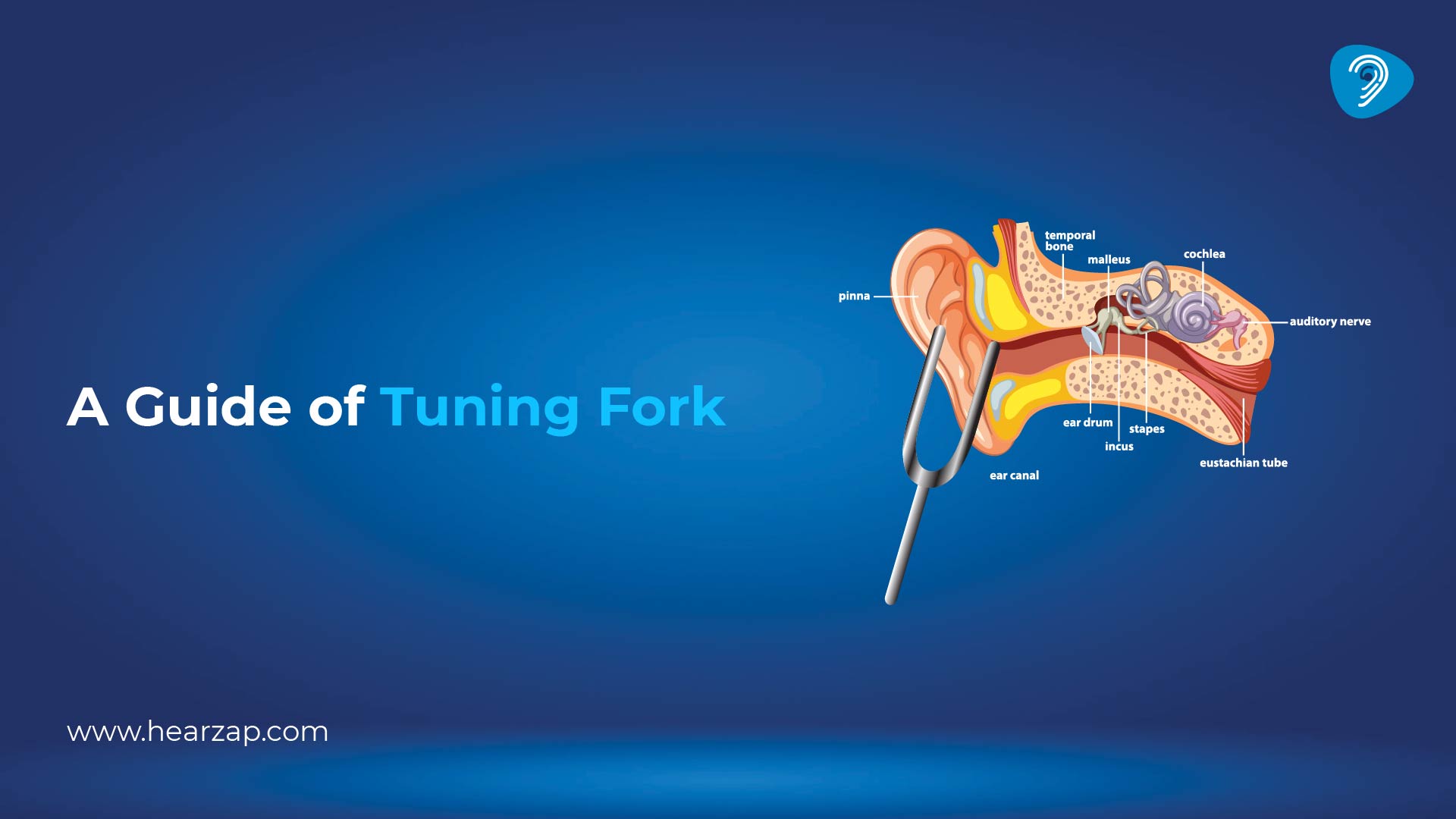
A hearing evaluation can involve different tests to understand how well a person hears sounds. One simple clinical method is tuning fork tests for hearing. These tests use a vibrating metal instrument to help healthcare professionals identify certain types of hearing loss and determine whether the problem may involve sound transmission through the outer or middle ear or the inner ear.
Although tuning fork tests are not a complete replacement for a comprehensive hearing evaluation, they can provide useful initial information about hearing function.
What Are Tuning Fork Tests for Hearing?
Tuning fork tests are basic hearing assessments performed using a metal tuning fork, commonly one that vibrates at a specific frequency. When struck gently, the tuning fork produces a consistent tone.
The two most commonly used tuning fork tests are the Rinne test and the Weber test. These tests help compare air conduction and bone conduction and may indicate whether hearing loss is more likely conductive or sensorineural.
Rinne Test
The Rinne test compares how a person hears a sound through air conduction with how they hear it through bone conduction.
During the test, the tuning fork is gently struck and placed against the mastoid bone behind the ear. Once the sound is no longer heard, the tuning fork is held close to the ear canal. The healthcare professional then asks whether the sound can still be heard.
Normally, sound is heard longer through air conduction than through bone conduction. An unusual result may suggest conductive hearing loss, although further testing is required for confirmation.
Weber Test
The Weber test checks whether sound is heard equally in both ears. The vibrating tuning fork is placed at the centre of the forehead or on the top of the head.
The individual is asked whether the sound is heard in the middle or seems louder in one ear. Sound lateralisation may provide clues about the possible type or side of hearing loss.
What Do Tuning Fork Test Results Mean?
A normal Rinne result means air conduction is better than bone conduction. A normal Weber result means sound is heard in the centre without shifting. These findings do not always rule out mild or early changes.
Abnormal findings point in different directions. If Rinne is negative in one ear and Weber shifts to the same side, a conductive issue is likely. If Rinne stays positive but Weber shifts to the opposite ear, inner-ear or nerve-related reduced hearing may be suspected.
Results also depend on technique, room noise, ear blockage and whether both ears are affected. A tuning fork result is a clue, not a final diagnosis. Audiometry, speech testing and middle-ear checks give a clearer picture.
Limitations of Tuning Fork Tests
Tuning fork tests are useful because they are quick, simple and low-cost. However, they cannot measure the exact degree of reduced hearing. They test limited frequencies and may miss mild, mixed or both-sided changes. Assessment is important for treatment decisions.
A Pure Tone Audiometry Test measures the quietest sounds a person can hear across selected frequencies. A Tympanometry Test checks middle-ear movement and can help identify fluid, pressure changes or eardrum stiffness. Speech tests show how clearly a person understands words in daily situations.
When Should You Get a Professional Hearing Test?
Do not wait for hearing trouble to become severe. Many people first notice small changes at home, at work, while travelling, or during phone calls. Early assessment is useful when communication starts feeling tiring.
Watch for these signs of hearing loss:
- Asking people to repeat often.
- Increasing TV or phone volume.
- Missing doorbells, alarms or soft voices.
- Hearing better in one ear.
- Ringing, buzzing or fullness.
- Dizziness with ear symptoms.
- Repeated ear infections or discharge.
Age-related changes, noise exposure, diabetes, earwax, infections and long headphone use can affect hearing. A timely test helps separate temporary concerns from issues needing care.
What Can Tuning Fork Tests Detect?
Tuning fork tests can provide an initial indication of:
Possible conductive hearing loss
Possible sensorineural hearing loss
Differences in hearing between the two ears
The need for further hearing evaluation
However, these tests provide limited information compared with a complete audiological assessment.
Are Tuning Fork Tests Enough to Diagnose Hearing Loss?
No. Tuning fork tests are screening tools and should not be used alone to determine the exact degree or cause of hearing loss. A professional hearing evaluation may include pure tone audiometry, speech audiometry, tympanometry, and other tests depending on individual symptoms.
If you notice difficulty hearing conversations, frequently ask people to repeat themselves, or experience ringing in the ears, getting a complete hearing test is important.
Get Professional Hearing Support with Hearzap
Understanding your hearing is the first step towards choosing the right solution. Hearzap offers professional hearing care and personalised hearing aid solutions based on individual hearing needs. As one of the best hearing aids companies, Hearzap helps individuals take informed steps towards better hearing and improved communication.
[ Book Your Hearing Test Today ]
CTA: Hear Clearly. Live Confidently. Choose Hearzap.