Short Sleeve Twirl Dresses: Complete Style, Fit & Care Guide
-

- March 03rd, 2026
- 425 views

👉 Best IPTV Services 2026 – 10,000+ Channels, 4K Quality – Start Free Trial Now
Short sleeve twirl dresses are a go-to wardrobe piece for everyday playfulness, event-ready movement, and flattering silhouettes that suit many body types. This guide explains how to choose the right fit, pick fabrics that enhance the twirl, style looks for different occasions, and care for these dresses so they last.
- Short sleeve twirl dresses combine fitted bodices and flared skirts for movement and comfort.
- Prioritize fabric weight and drape—cotton blends, rayon, and lightweight knits perform well.
- Use the TWIRL Fit & Fabric Checklist before buying; follow targeted styling and care tips for longevity.
Detected intent: Informational
Short Sleeve Twirl Dresses: Fit, Fabric, and Styling
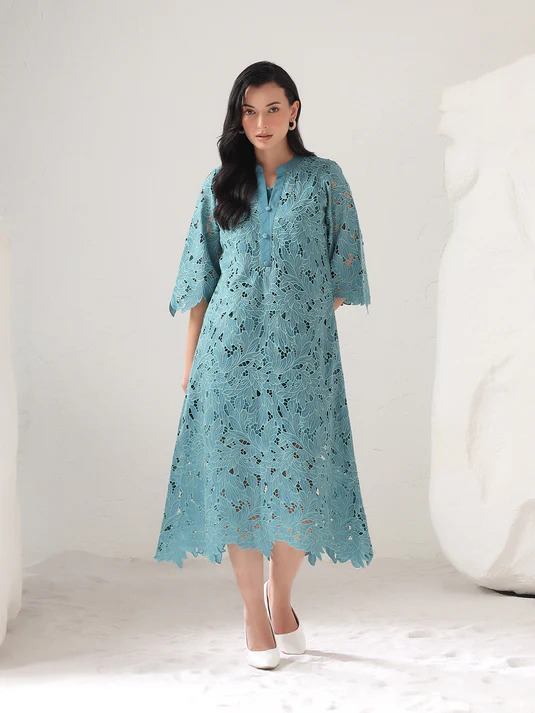
Understanding the basics of short sleeve twirl dresses helps narrow choices fast. Key features include a defined waistline (natural or empire), a skirt with generous fullness (circle, half-circle, or gathered), and short sleeves that range from cap to elbow length. The silhouette—often described as fit-and-flare, swing, or circle—creates the twirl. Look for construction details such as waist stay, lining, and hem weight that affect how the skirt moves.
TWIRL Fit & Fabric Checklist
Use this named checklist as a quick decision framework before buying:
- Tailored bodice: Does the bodice fit smoothly at bust and shoulders?
- Waist definition: Is the waist where intended—natural, dropped, or empire?
- Inner finish: Is the dress lined or finished inside to avoid cling?
- Regular hem weight: Does the hem have enough weight to twirl without collapsing?
- Length check: Is the skirt length proportionate to the height and intended look?
Best Fabrics for Twirl Dresses
The choice of fabric determines a dress's movement. Here are practical options and their behavior:
- Lightweight cotton and cotton blends: Breathable, crisp, holds shape—good for structured circle skirts.
- Rayon and Tencel: Soft drape and fluid movement—ideal for softer twirls and everyday comfort.
- Polyester blends: Durable and holds pleats; choose blends with good drape to avoid stiffness.
- Knit fabrics (jersey, ponte): Stretch for comfort; works well for casual twirl dresses with softer skirts.
- Lining and interfacing: Lightweight lining prevents cling, interfacing at the waist keeps shape.
For practical guidance on textile labeling and fiber content, consult official consumer guidance such as the FTC guidance on labeling.
How to style short sleeve twirl dresses
Styling should match the dress's silhouette and the occasion. Follow these categories:
- Casual daytime: Pair a cotton twirl dress with flat sandals or low-top sneakers; add a denim jacket for cooler weather.
- Office-casual: Choose a structured knit or ponte dress, add a lightweight blazer, and finish with block-heel pumps.
- Event or party: Pick a dress with a fuller skirt and added hem weight; pair with heels and a simple clutch to emphasize the twirl.
Real-world example
Scenario: A 5'6" person wants a versatile dress for weekend outings and casual office days. Choosing a knee-length cotton-blend twirl dress with a defined waist and cap sleeves creates a flattering silhouette. Adding a thin belt refines the waist for work; switching to sandals and a woven tote makes it weekend-ready. Lining prevents cling during movement, and a 1" hem weight (narrow sewn-in tape or small horsehair braid) improves twirl performance.
Practical tips
- Try dresses with movement: Lift the skirt and walk or do a quick turn in-store to test twirl and hem behavior.
- Check seam finishes: Cleanly finished seams and a neckline facing reduce stretching and improve durability.
- Measure instead of guessing: Use bust, waist, and hip measurements rather than size labels—fit varies by brand.
- Layer smartly: Lightweight slips or shorts can prevent cling and add modesty under full skirts.
Trade-offs and common mistakes
Picking a twirl dress often involves trade-offs:
- Fullness vs. weight: Extremely full skirts look dramatic but require more fabric and can feel bulky; lighter skirts twirl easily but may collapse without some hem weight.
- Structure vs. comfort: Stiff fabrics hold shape but can restrict movement; soft drapes are comfortable but offer a subtler twirl.
- Short sleeves fit: Cap sleeves may restrict the upper arm on broader shoulders—try different sleeve lengths if mobility is a priority.
Common mistakes to avoid: ignoring lining, choosing a poorly placed waistline (it can shorten or lengthen the torso visually), and overlooking hem finishing, which affects twirl quality.
Care and alteration basics
Follow garment labels but prefer gentle washing for natural fibers and low-heat drying. Small alterations—raising or lowering the waist, adding a narrow hem weight, or adjusting sleeve openings—can dramatically improve fit and movement. For complex changes, consult a qualified tailor.
Core cluster questions
- What sleeve lengths work best with different body shapes for twirl dresses?
- Which fabrics create the best skirt fullness without extra weight?
- How does hem weight change the way a twirl dress moves?
- What tailoring alterations improve the fit of a fit-and-flare dress?
- How to transition a twirl dress from day to evening with accessories?
Final checklist before purchase
- Confirm measurements match the seller’s size chart.
- Inspect fabric composition and lining details.
- Check return policy and alteration options.
- Test movement in-person or review video for skirt performance if shopping online.
FAQ
How to style and care for short sleeve twirl dresses?
Pair with shoes and outerwear appropriate for the occasion: sneakers or sandals for casual looks, heels for events. For care, follow label instructions, use gentle cycles or hand wash for delicate fabrics, and dry flat or low heat. Store hung to avoid wrinkles in the skirt. Minor repairs like reattaching hems or adding interfacing at the waist extend garment life.
What are the best fabrics for twirl dresses?
Fabrics with a balance of drape and body—cotton blends, rayon, and some polyester blends—tend to give the most pleasing twirl. Knits offer stretch and comfort but may produce a softer twirl. Consider lining for cling-prone materials.
How should a twirl dress fit at the waist and bust?
The bodice should sit smoothly across the bust without significant gaping or pulling; the waist should meet at the narrowest point desired. If the waist sits too high or low, the visual proportions will change. Tailoring can adjust waist placement by an inch or two for better balance.
Can a twirl dress be altered to improve twirl performance?
Yes. Add a light lining, adjust the hem weight with braid or tape, and modify skirt seams to increase fullness. A tailor can also change waist placement and sleeve openings to improve comfort and movement.
How do care labels affect fabric choice when buying short sleeve twirl dresses?
Care labels indicate recommended washing and drying methods; choose fabrics with care needs that match lifestyle. For example, fabrics labeled as machine-washable are lower maintenance than those requiring dry cleaning. Consumer guidance on labeling is available from official sources such as the FTC.