Understanding Anxiety Disorders: Causes, Symptoms, and Support
-

- Published Updated
- 1,640 views
Introduction
Disorders of anxiety are a group of mental health conditions characterized by excessive fear, worry, or behavioral disturbances that can interfere with daily life. This overview explains common types, typical symptoms, known risk factors, approaches to diagnosis, and general treatment and support options as described by major health authorities.
- Disorders of anxiety include generalized anxiety disorder, panic disorder, social anxiety disorder, specific phobias, and others.
- Symptoms can be emotional, cognitive, physical, and behavioral; severity varies by individual.
- Diagnosis typically follows clinical guidelines such as the DSM-5 or ICD-11 and an evaluation by a qualified clinician.
- Evidence-based treatments include psychotherapy (notably cognitive behavioral therapy), medications, and self-management strategies.
What are disorders of anxiety?
Disorders of anxiety are defined by persistent and excessive worry or fear that is out of proportion to the circumstances and causes clinically significant distress or impairment. Diagnostic systems used by clinicians include the Diagnostic and Statistical Manual of Mental Disorders (DSM-5) published by the American Psychiatric Association and the International Classification of Diseases (ICD-11) published by the World Health Organization.
Common types
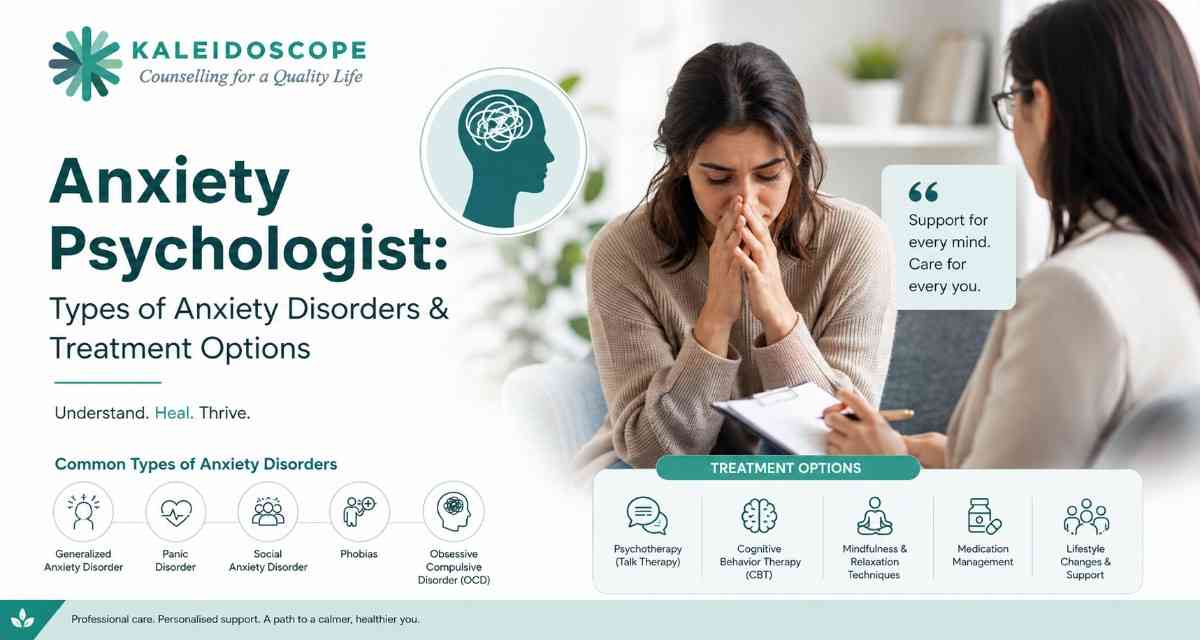
- Generalized anxiety disorder (GAD): chronic, excessive worry about multiple everyday issues.
- Panic disorder: recurrent, unexpected panic attacks and worry about future attacks.
- Social anxiety disorder: intense fear of social situations or performance where scrutiny is possible.
- Specific phobias: intense fear of particular objects or situations (e.g., heights, animals, flying).
- Separation anxiety disorder and selective mutism: more common in children but can persist into adulthood.
Signs and symptoms
Emotional and cognitive
Persistent worry, irritability, difficulty concentrating, and anticipatory anxiety are common cognitive and emotional features.
Physical and behavioral
Physical symptoms may include heart palpitations, shortness of breath, muscle tension, headaches, sleep disturbance, and gastrointestinal complaints. Behavioral signs can involve avoidance of feared situations, safety-seeking behaviors, or reduced social and occupational functioning.
Causes and risk factors
Multiple factors interact to increase the likelihood of developing an anxiety disorder:
- Genetic predisposition and family history of anxiety or mood disorders.
- Brain systems that regulate stress and fear responses, including the amygdala and prefrontal cortex.
- Environmental stressors such as trauma, chronic stress, or major life changes.
- Medical conditions and some medications can mimic or exacerbate anxiety symptoms.
- Comorbidity with other mental health conditions, including depression and substance use disorders.
Assessment and diagnosis
Diagnosis is based on a clinical evaluation that considers symptom duration, severity, and impact on functioning. Standardized screening tools and diagnostic interviews are often used in primary care and mental health settings. Health systems and professional guidelines, such as those from the American Psychiatric Association and the World Health Organization, inform diagnostic criteria and recommended assessment practices.
Treatment options and supports
Psychotherapy
Psychotherapies with strong evidence include cognitive behavioral therapy (CBT) and exposure-based approaches for specific phobias and panic. Therapy can be offered in individual, group, or guided self-help formats.
Medications
Medications commonly used to manage anxiety symptoms include selective serotonin reuptake inhibitors (SSRIs), serotonin-norepinephrine reuptake inhibitors (SNRIs), and, in some cases, short-term use of anxiolytics. Medication decisions are individualized and typically consider diagnosis, symptom severity, side effect profiles, and treatment history.
Self-management and lifestyle
Evidence-based self-management strategies can complement clinical treatment. These include structured sleep routines, regular physical activity, limiting caffeine and alcohol, relaxation techniques (e.g., breathing exercises), and skills learned in therapy such as cognitive restructuring and graded exposure. Peer support groups and educational resources may also help with coping and recovery.
When to seek help
Consider seeking professional evaluation when anxiety is persistent, worsening, or interferes with work, relationships, or daily activities. Immediate help is warranted if anxiety is linked to thoughts of self-harm, inability to care for oneself, or severe panic that impairs functioning. Local crisis services, emergency departments, or mental health hotlines are standard resources in urgent situations.
Reliable resources
Authoritative organizations provide up-to-date information and guidance on anxiety disorders. For comprehensive, research-based information on diagnosis and treatment, see the National Institute of Mental Health (NIMH) resource on anxiety disorders: nimh.nih.gov - Anxiety Disorders. Other key references include materials from the World Health Organization and evidence summaries in peer-reviewed journals.
Prognosis and recovery
Outcomes vary by individual; many people experience substantial improvement with appropriate care. Early identification, consistent treatment, and relapse prevention strategies increase the likelihood of sustained benefit. Long-term management may be needed for some people, while others achieve remission.
Considerations for special populations
Children and adolescents
Presentation can differ in young people and may include somatic complaints or school refusal. Family-based approaches and developmentally adapted therapies are often recommended.
Older adults
Anxiety in older adults can coexist with medical conditions and cognitive changes; assessment should consider medication interactions and medical contributors.
Co-occurring conditions
Anxiety frequently co-occurs with depression, substance use, and chronic medical illnesses. Integrated care approaches that address multiple conditions tend to be more effective.
Conclusion
Disorders of anxiety are common and treatable conditions. Recognition of symptoms, evidence-based assessment, and a combination of therapeutic approaches can reduce symptoms and improve quality of life. Consultation with qualified health professionals is recommended for individualized diagnosis and treatment planning.
Frequently asked questions
What are common disorders of anxiety and how are they different?
Common anxiety disorders include generalized anxiety disorder (chronic, broad worry), panic disorder (recurrent panic attacks), social anxiety disorder (fear of social evaluation), and specific phobias (intense fear of a specific object or situation). Differences are based on symptom focus, duration, triggers, and behavioral responses such as avoidance.
How are anxiety disorders diagnosed?
Diagnosis typically follows clinical interviews and standardized criteria from diagnostic manuals (DSM-5 or ICD-11). Clinicians evaluate symptom patterns, duration, severity, and impact on functioning, and may use screening questionnaires as part of the assessment.
Are treatments for anxiety disorders effective?
Yes. Multiple randomized controlled trials and clinical guidelines support the effectiveness of psychotherapy (especially CBT) and certain medications. Treatment choice depends on diagnosis, severity, patient preference, and history.
Where can more information be found?
Reliable information is available from national health institutes and professional organizations such as the National Institute of Mental Health and the World Health Organization. For personalized care, contact a licensed mental health professional or primary care provider.