What to Expect at a Collagen-Stimulating Treatments Consultation: Checklist & Next Steps
-

- March 02nd, 2026
- 288 views

Get a free topical map and start building content authority today.
Collagen-Stimulating Treatments Consultation: What to Expect
A collagen-stimulating treatments consultation explains goals, medical suitability, procedure options, and realistic timelines. The collagen-stimulating treatments consultation typically covers medical history, skin assessment, recommended procedures (for example, biostimulatory fillers, microneedling with platelet-rich plasma, or radiofrequency), risks, recovery expectations, and a personalized plan.
- Purpose: Assess medical suitability and set realistic outcomes.
- Main topics: options, timeline, risks, cost estimate, consent.
- Bring: medical history, medication list, photos of concerns.
- Framework included: CONSULT checklist to guide the visit.
Detected intent: Informational
How a collagen-stimulating treatments consultation is structured
Most consultations follow a consistent sequence: intake and medical history, focused skin and facial anatomy assessment, a discussion of non-surgical collagen stimulation and injectables, treatment plan and timeline, consent and aftercare overview, and cost/options. Expect a clinician to document any autoimmune disease, bleeding disorders, pregnancy status, or medications (like blood thinners) because these affect treatment choices and safety.
Types of procedures discussed
- Biostimulatory fillers (poly-L-lactic acid like Sculptra, calcium hydroxylapatite) — gradual collagen remodeling over months.
- Microneedling and radiofrequency microneedling — induce collagen production by controlled micro-injury.
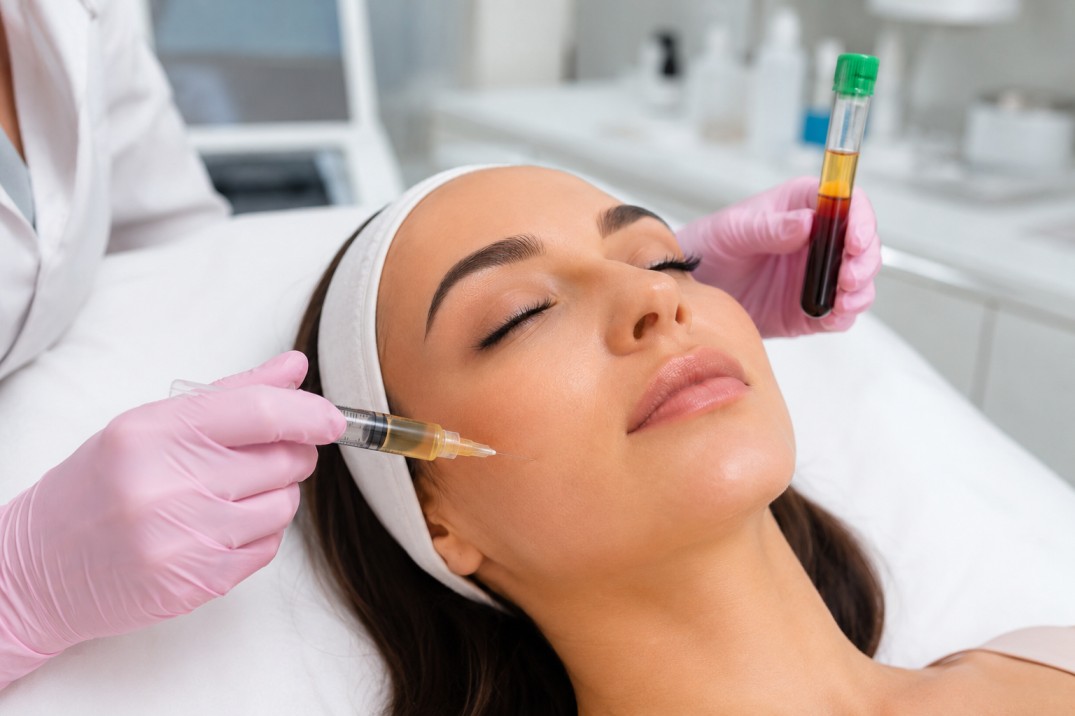
- Platelet-rich plasma (PRP) — uses patient’s platelets to support tissue repair.
- Energy-based devices (radiofrequency, ultrasound) — non-invasive collagen remodeling.
Safety, regulation, and evidence
Regulatory guidance and safety data vary by product and device. For official safety basics on fillers and regulatory context, consult the FDA resource on dermal fillers: FDA on dermal fillers. Providers should review evidence for each option and explain realistic benefits and limitations.
CONSULT checklist: a named framework to use at the visit
Use the CONSULT checklist during or before the appointment to ensure a thorough discussion:
- Complaints & goals — clarify aesthetic priorities and timeline.
- Options — review procedural and non-procedural paths, including non-surgical collagen stimulation.
- Negative history — check allergies, autoimmune conditions, medications, recent procedures.
- Safety & risks — discuss common and rare complications and emergency contacts.
- Understanding & expectations — set realistic timelines and outcome measures.
- Logistics — cost estimate, number of sessions, downtime, photos for records.
- Treatment plan — clear next steps, consent, and follow-up schedule.
What to expect from a collagen treatment consultation (pre-visit checklist)
Bring a list of medications and supplements, any recent procedure notes, photos of desired outcomes, and questions about recovery and risks. If possible, stop anti-inflammatories or blood-thinning supplements as advised several days before certain procedures—this must be cleared with the clinician and prescribing doctor.
Real-world example
Scenario: A 52-year-old with midface volume loss requests improvement without implants. During the consultation the clinician documents medical history, examines skin thickness and laxity, explains options (biostimulatory filler versus combined microneedling plus PRP), and outlines a staged plan: two biostimulatory filler sessions spaced 4–6 weeks apart, with visible collagen remodeling over 3–6 months and follow-up photos at 3 and 6 months. This plan includes clear consent and aftercare instructions for swelling and bruising.
Practical tips (3–5 actionable points)
- Bring recent photos showing the face at rest and smiling to illustrate concerns.
- Ask for before-and-after photos from the clinician for the specific procedure and area under similar lighting.
- Request a written timeline of expected results and follow-up visit dates before booking treatment.
- Confirm provider credentials and whether injections/devices will be administered by a licensed clinician and supported by medical oversight.
Common mistakes and trade-offs to watch for
- Choosing a quick fix: collagen-stimulating options often require multiple sessions and time to show results; immediate “lift” may be limited compared with surgical options.
- Undervaluing downtime and recovery: bruising and swelling can last days to weeks depending on the method and anticoagulant use.
- Not aligning goals with realistic outcomes: photographic examples that don’t match the patient’s age or anatomy can create false expectations.
- Overlooking provider training: less-experienced injectors may increase complication risk or deliver suboptimal placement.
Core cluster questions
- How long do results from collagen-stimulating treatments last?
- Which conditions make someone a poor candidate for biostimulatory fillers?
- What is the recovery timeline after microneedling with PRP?
- How do energy-based devices compare to injectables for collagen remodeling?
- What documentation should a patient receive after a consultation?
FAQ
What happens during a collagen-stimulating treatments consultation?
The visit typically includes medical history intake, anatomic and skin assessment, discussion of options and expected timelines, safety review, cost estimate, and a documented consent process. A treatment plan and follow-up schedule are provided if both parties agree to proceed.
How long until results appear after collagen-stimulating treatments?
Expect gradual improvement: many biostimulatory treatments show progressive changes over 6–12 weeks, with full remodeling often apparent by 3–6 months. Energy-based and microneedling approaches can show skin texture improvements earlier, while volume restoration from fillers is incremental.
Is non-surgical collagen stimulation painful and what is the downtime?
Discomfort varies with method and pain mitigation used. Expect mild to moderate soreness, temporary redness, and bruising. Downtime ranges from none (some energy devices) to several days (injectables with bruising). Providers should outline specific aftercare steps during the consultation.
How to compare options like PRP, biostimulatory fillers, and devices?
Compare efficacy, number of sessions, recovery, and evidence for the concern being treated. Biostimulatory fillers are better for volume and scaffold-driven collagen production; PRP and microneedling target texture and superficial remodeling. Discuss trade-offs during the consultation and request outcome photos that match the treatment type.