Water Tank Pipe Fittings — A Complete Buyer's Guide
-

- Published Updated
- 1,842 views
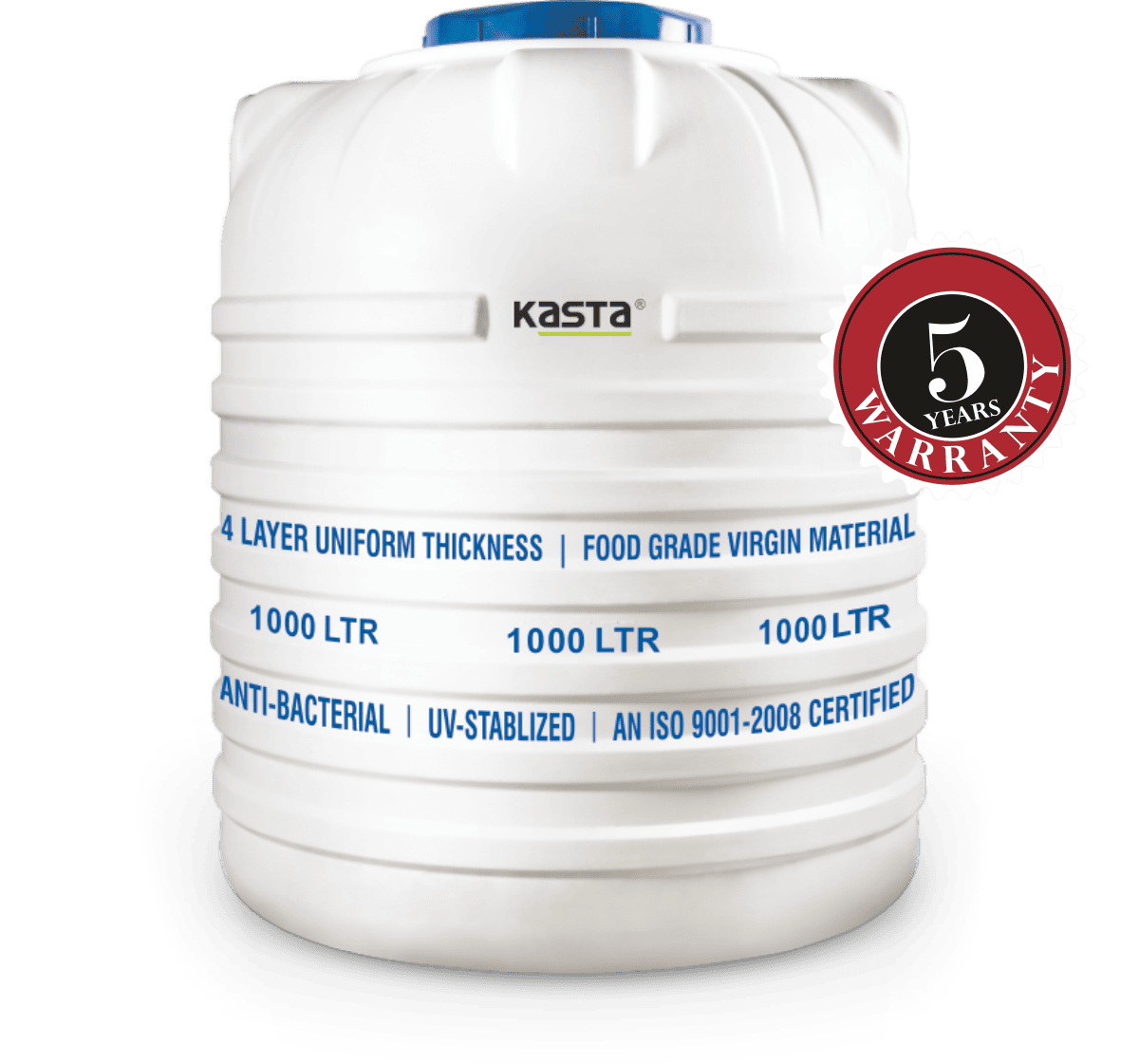
A practical guide to choosing the right pipe fittings for overhead and underground water tanks, covering inlet, outlet, overflow and washout connections, the fitting sizes that match Kasta's UPVC and CPVC tank ranges, and the mistakes that cause leaks at the tank base.
What are water tank pipe fittings used for?
Water tank pipe fittings are the connectors that join a storage tank to the rest of the plumbing network. Every tank, whether it sits on a rooftop or underground, needs four fittings at minimum: an inlet for the incoming water supply, an outlet for the outgoing feed line, an overflow to release excess water safely, and a washout at the base to drain and clean the tank periodically. A tank can be the right capacity, the right material and installed at the right height, and still cause problems if these four connections are not sized and sealed correctly. Most tank-related leaks trace back to one of these fittings rather than to the tank body itself, which is why getting this part right matters more than it might seem at first glance.
Which fitting sizes suit a domestic water tank?
For household tanks ranging from 500 to 2000 litres, a 1-inch (25mm) to 1.5-inch (40mm) inlet and outlet size is standard across most Indian homes. The overflow fitting is usually kept one size larger than the outlet, since it needs to release water faster than the inlet can fill the tank, otherwise the tank will overflow even with a working overflow line. Kasta's UPVC tank connector range is manufactured in these exact sizes, so the fittings line up with standard plumbing without needing an in-between reducer or adaptor, which simplifies installation and reduces the number of joints in the system.
Why do tank connections leak most often at the base?
The washout and outlet sit at the lowest point of the tank, under constant water pressure from the full column of water above them, which is exactly why this is where a poor seal shows first. Two things prevent this reliably: a proper rubber washer fitted on both the inside and outside of the tank wall, and a threaded tank connector used in place of a plain pipe simply pushed through a drilled hole. A threaded connector distributes pressure evenly around the opening, while a pushed-through pipe relies entirely on whatever sealant was applied at installation, which tends to degrade faster than the fitting itself. Kasta's tank fitting sets include washers and nuts on both sides for exactly this reason, so the seal does not depend on installation guesswork.
CPVC or UPVC for tank fittings?
UPVC is the standard material for tank connections, because water stored in a tank is at ambient temperature and never approaches the hot-water range that CPVC is built for. CPVC is reserved for hot water lines inside the house, typically geyser outlets and hot water risers, so it is not usually needed at the tank connection point itself. Kasta manufactures both UPVC and CPVC ranges, along with HDPE, sprinkler and drip irrigation pipes, which means a single supplier can cover the tank fitting as well as everything the tank eventually feeds into, from bathroom lines to garden taps.
How do you stop a tank overflow pipe from causing damage?
The overflow pipe should be routed to a visible drain point where any water release is immediately noticeable, angled consistently downward with no upward bends that could trap standing water, and sized one step larger than the inlet fitting as already covered above. A common mistake homeowners and even some plumbers make is running the overflow line into a closed or covered drain, which can cause backflow into the tank during periods of heavy inflow, defeating the purpose of having an overflow at all. Checking that the overflow outlet is visible and unobstructed takes a minute during installation and prevents a repeat visit later.
What should be checked before finalising tank fittings?
Three things are worth confirming before any fitting goes in: the fitting size matches both the tank's rated capacity and the plumbing line it connects to, the washer and threaded connector are used at every point where the fitting passes through the tank wall, and the overflow is genuinely one size larger than the outlet rather than matched to it. These three checks cover the majority of issues that lead to tank fitting failures within the first year of use.