The Art of Web Designing: Where Creativity Meets Function
-

- April 12th, 2026
- 7,829 views

A professional team plays a crucial role in shaping how a brand is perceived online. A website acts as a virtual storefront, a communication hub, and a powerful marketing tool—all in one place. Modern businesses rely heavily on experts to create websites that are not only visually appealing but also highly functional. Web designing is no longer just about aesthetics; it’s about blending creativity with functionality to deliver meaningful user experiences. An experienced web designing company understands how to strike the perfect balance, where design and usability work together seamlessly.
This blog explores the essence of web designing, the role of creativity, and the importance of functionality, while also highlighting how a web designing company ensures both elements coexist to build impactful digital experiences.
Understanding Web Designing
Web designing refers to the process of planning, conceptualizing, and arranging content intended for the internet. It encompasses various aspects such as layout, color schemes, typography, graphics, user interface (UI), and user experience (UX). A well-designed website is not only visually engaging but also easy to navigate and responsive across devices.
Modern web designing has evolved significantly. Gone are the days of static pages with minimal interaction. Today, websites are dynamic, interactive, and tailored to meet user expectations. Designers must consider multiple factors, including performance, accessibility, and scalability.
The Creative Side of Web Designing
Creativity is what makes a website stand out. It’s the visual storytelling that captures attention and leaves a lasting impression.
1. Visual Design and Aesthetics
The first thing users notice about a website is its appearance. Elements like color schemes, imagery, and layout play a crucial role in shaping user perception. A well-chosen color palette can evoke emotions, while high-quality visuals can enhance credibility.
For example, a minimalist design with ample white space often conveys sophistication and clarity, whereas vibrant colors and bold typography can create excitement and energy.
2. Branding and Identity
Web design is a powerful tool for expressing a brand’s identity. Every element—from the logo placement to the choice of fonts—should align with the brand’s voice and values. Consistency in design helps build trust and recognition.
3. Typography and Readability
Typography is more than just selecting fonts. It’s about creating a hierarchy that guides users through content. Proper font sizes, spacing, and contrast ensure readability and enhance the overall user experience.
4. Innovative Layouts
Creative layouts break the monotony of traditional designs. Grid systems, asymmetrical designs, and interactive elements can make a website visually engaging while maintaining structure.
The Functional Side of Web Designing
While creativity attracts users, functionality ensures they stay and interact.
1. User Experience (UX)
User experience is at the heart of web design. A website should be intuitive, easy to navigate, and aligned with user expectations. Clear menus, logical page structures, and fast-loading pages contribute to a positive UX.
2. Mobile Responsiveness
With the majority of users accessing websites via smartphones, responsive design is essential. A website must adapt seamlessly to different screen sizes and devices without compromising usability.
3. Performance and Speed
A slow-loading website can drive users away. Optimizing images, minimizing code, and using efficient hosting solutions are critical for maintaining performance.
4. Accessibility
Web design should be inclusive. Accessibility features such as alt text for images, keyboard navigation, and proper color contrast ensure that all users, including those with disabilities, can access the content.
5. Search Engine Optimization (SEO)
A well-designed website is also optimized for search engines. Clean code, proper use of headings, and fast loading speeds contribute to better search engine rankings.
The Intersection of Creativity and Functionality
The true art of web designing lies in merging creativity with functionality. A visually stunning website that is difficult to navigate will frustrate users, while a highly functional site with poor design may fail to engage them.
Balancing Aesthetics and Usability
Designers must strike a balance between aesthetics and usability. Every creative decision should enhance, not hinder, the user experience. For example, animations can make a website dynamic, but excessive use can slow it down and distract users.
Designing with Purpose
Every element on a website should serve a purpose. Whether it’s a call-to-action button or a navigation menu, design decisions should be guided by user needs and business goals.
Consistency is Key
Consistency in design elements such as colors, fonts, and layouts ensures a cohesive experience. It helps users navigate the website effortlessly and reinforces brand identity.
Key Principles of Effective Web Designing
To create a successful website, designers must follow certain principles:
1. Simplicity
A clean and simple design enhances usability. Avoid clutter and focus on essential elements.
2. Visual Hierarchy
Organize content in a way that guides users’ attention. Use size, color, and placement to highlight important information.
3. Navigation
Ensure that users can easily find what they’re looking for. Clear menus and intuitive navigation are essential.
4. Consistency
Maintain uniformity across all pages to create a seamless experience.
5. Feedback and Interaction
Interactive elements such as buttons and forms should provide feedback to users, enhancing engagement.
Emerging Trends in Web Designing
Web designing is constantly evolving. Staying updated with the latest trends is crucial for creating modern websites.
1. Dark Mode
Dark-themed interfaces are gaining popularity due to their sleek appearance and reduced eye strain.
2. Micro-Interactions
Small animations and interactions enhance user engagement and provide feedback.
3. AI-Powered Design
Artificial intelligence is transforming web design by enabling personalized experiences and automated design processes.
4. Minimalism
Less is more. Minimalist designs focus on essential elements, improving clarity and usability.
5. Voice User Interface (VUI)
With the rise of voice assistants, integrating voice-based navigation is becoming a trend.
Tools and Technologies in Web Designing
Designers use various tools to bring their ideas to life:
- Design tools: Figma, Adobe XD, Sketch
- Development tools: HTML, CSS, JavaScript
- Frameworks: Bootstrap, Tailwind CSS
- Content management systems: WordPress
These tools help streamline the design process and enhance productivity.
The Role of Collaboration
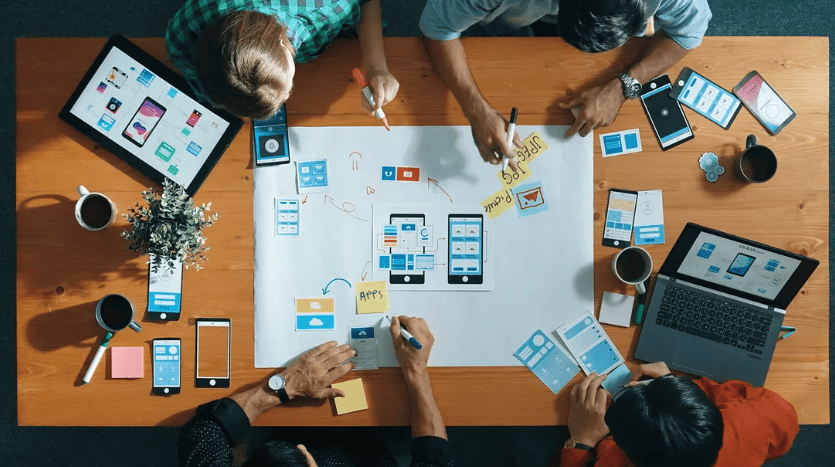
Web designing is rarely a solo effort. It involves collaboration between designers, developers, content creators, and stakeholders. Effective communication ensures that the final product aligns with the vision and goals.
Challenges in Web Designing
Despite its creative nature, web designing comes with challenges:
- Balancing creativity and functionality
- Keeping up with changing trends
- Ensuring compatibility across devices and browsers
- Meeting client expectations
Overcoming these challenges requires continuous learning and adaptability.
The Future of Web Designing
The future of web designing is exciting and dynamic. Technologies such as augmented reality (AR), virtual reality (VR), and advanced AI will redefine user experiences. Websites will become more immersive, interactive, and personalized.
Designers will need to focus on creating experiences rather than just interfaces. The emphasis will be on understanding user behavior and delivering value through design.
Conclusion
Web designing is both an art and a science. It requires creativity to captivate users and functionality to keep them engaged. The most successful websites are those that seamlessly integrate both elements, creating experiences that are not only visually appealing but also highly usable.
As technology continues to evolve, the role of web designers will become even more critical. By embracing innovation and focusing on user-centric design, designers can create websites that truly stand out in the digital landscape.
Ultimately, the art of web designing is about more than just building websites—it’s about crafting experiences that connect, inspire, and deliver results.