Chemistry Behind Wet Strength Resin: From Polymer Design to Paper Performance
-

- Published Updated
- 8,867 views
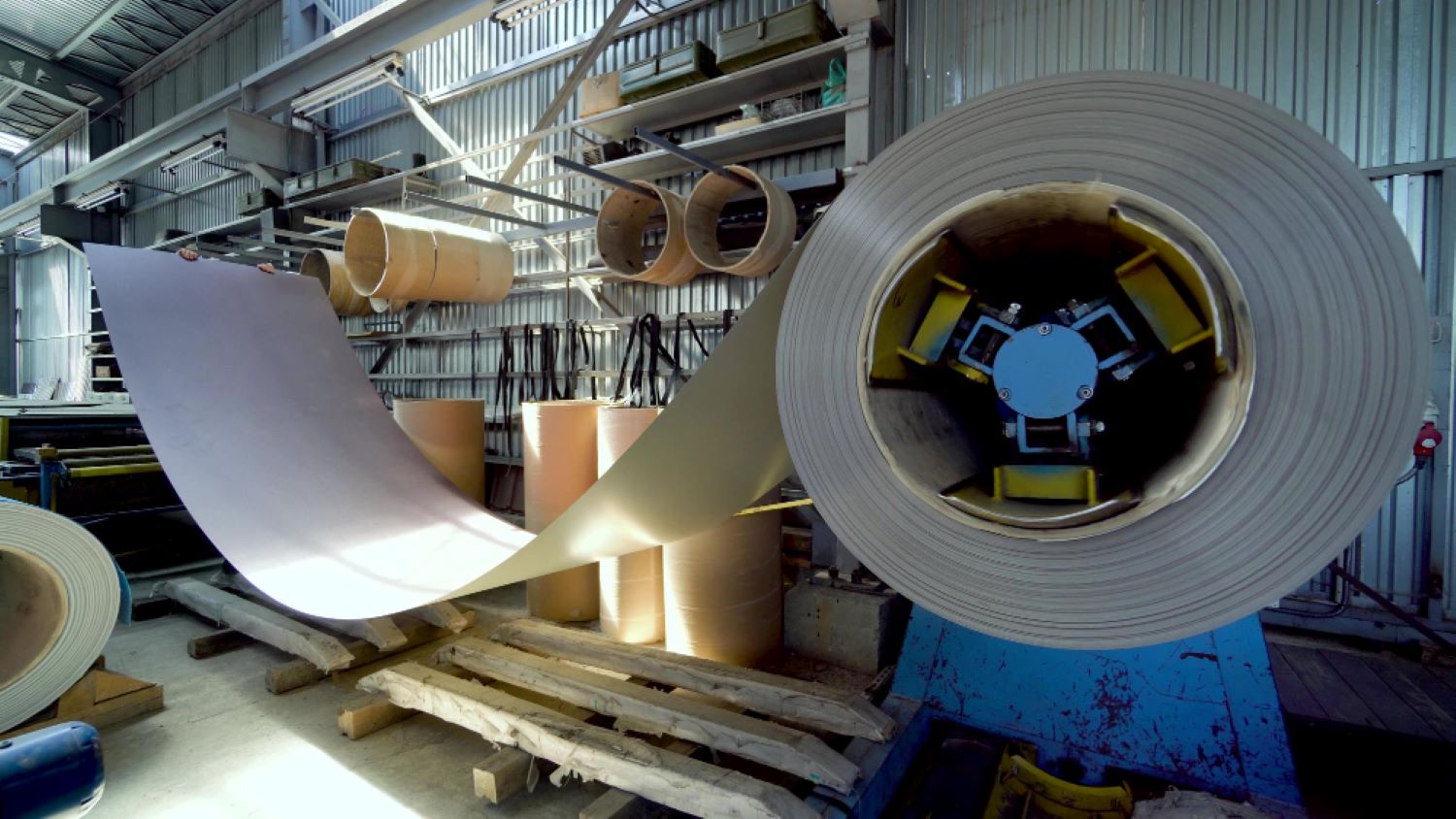
Wet environments challenge the structural integrity of paper. When exposed to water, hydrogen bonds between cellulose fibers weaken, causing a rapid loss of strength. For paper mills and wet strength paper manufacturers, maintaining sheet integrity under such conditions depends on the chemistry of wet strength resins. These specialized polymers are engineered to form durable, water-resistant bonds within the fiber network, enabling paper to perform reliably even in high-moisture applications.
Why Paper Loses Strength in Wet Conditions
Paper strength in dry conditions is largely governed by hydrogen bonding between cellulose fibers. These bonds are reversible and sensitive to water. When moisture penetrates the sheet, it disrupts these interactions, reducing fiber-to-fiber adhesion and causing the paper to lose tensile strength.
The concept of wet strength refers to the ability of paper to retain a portion of its original strength after saturation. Achieving this requires chemical reinforcement that goes beyond natural fiber bonding.
Role of Wet Strength Resins
Wet strength resins are functional polymers added during the papermaking process to create covalent or highly stable bonds between fibers. Unlike hydrogen bonds, these chemical linkages resist hydrolysis and maintain structural integrity in wet conditions.
The effectiveness of a wet strength resin depends on:
- Polymer structure and reactivity
- Interaction with cellulose fibers
- Retention and distribution within the sheet
- Curing conditions during drying
These factors are carefully controlled to deliver the desired performance for specific paper grades.
Polymer Design: Core Chemistry
The chemistry behind wet strength resins is rooted in polymer science. Most commercial systems are based on thermosetting polymers that can crosslink during the drying phase of papermaking.
1. Polyamide-Epichlorohydrin (PAE) Resins
PAE resins are widely used due to their high efficiency and compatibility with different fiber types. They are synthesized through the reaction of polyamides with epichlorohydrin, forming reactive azetidinium groups.
These functional groups:
- React with hydroxyl groups on cellulose
- Form covalent ether linkages
- Crosslink within the fiber matrix
This results in a three-dimensional network that resists water-induced weakening.
2. Melamine-Formaldehyde (MF) Resins
MF resins are based on amino resins and are commonly used in specialty papers. They provide high wet strength but require controlled curing conditions.
Their chemistry involves:
- Methylol groups reacting with cellulose
- Formation of strong crosslinked structures
- High resistance to moisture and heat
3. Urea-Formaldehyde (UF) Resins
UF resins are cost-effective but less durable compared to PAE and MF systems. They are used in applications where moderate wet strength is sufficient.
4. Glyoxalated Polyacrylamide (GPAM)
GPAM resins are designed for temporary wet strength. They provide initial resistance to water but gradually lose strength, making them suitable for products like tissue that require dispersibility.
Mechanism of Wet Strength Development
The development of wet strength involves multiple stages during papermaking:
Adsorption and Retention
Wet strength resins are added to the pulp slurry, where they adsorb onto fiber surfaces. Charge interactions play a key role, as most resins are cationic and bind effectively to negatively charged cellulose fibers.
Distribution in the Fiber Network
Uniform distribution ensures consistent bonding throughout the sheet. Retention aids and process control help achieve optimal resin placement.
Curing and Crosslinking
During the drying phase, heat activates the resin, triggering crosslinking reactions. This step is critical for forming permanent bonds that contribute to wet strength.
Final Performance
The cured resin network reinforces the fiber structure, enabling the paper to retain strength even after water exposure.
Factors Influencing Performance in Paper Mills
For paper mills, achieving consistent wet strength performance requires control over several operational parameters:
Fiber Type and Quality
Hardwood and softwood fibers respond differently to resin treatment. Fiber length, surface area, and chemical composition influence bonding efficiency.
pH Conditions
Resin performance is sensitive to pH. For example, PAE resins perform well in neutral to slightly alkaline conditions, while MF resins require acidic environments.
Dosage Levels
Excess resin can lead to stiffness and reduced absorbency, while insufficient dosage results in poor wet strength. Optimization is essential.
Drying Temperature and Time
Proper curing ensures complete crosslinking. Inadequate drying can limit resin performance.
Additives and Fillers
Other chemicals in the system, such as fillers or sizing agents, can interact with resins and affect their efficiency.
Applications Across Paper Grades
Wet strength resins are used in a wide range of products where moisture resistance is critical:
- Tissue and towel papers
- Packaging boards and corrugated materials
- Food-contact papers
- Label and release papers
- Medical and hygiene products
For wet strength paper manufacturers, selecting the right resin system ensures that each product meets its functional requirements.
Environmental and Regulatory Considerations
Modern wet strength resin chemistry has evolved to address environmental concerns. Manufacturers are focusing on:
- Reducing formaldehyde emissions
- Improving biodegradability
- Enhancing recyclability of treated paper
PAE resins, for example, have been optimized to balance performance with compliance to regulatory standards.
From Chemistry to Performance
The transition from polymer design to real-world performance is a direct outcome of controlled chemical engineering. The ability of a resin to form stable, water-resistant bonds defines its effectiveness in maintaining wet strength.
For paper mills, understanding this chemistry enables:
- Better selection of resin systems
- Improved process optimization
- Consistent product quality
Wet strength resins are not just additives—they are structural components that determine how paper behaves under challenging conditions.
Conclusion
The chemistry behind wet strength resins combines polymer design, fiber interaction, and process control to deliver reliable performance in wet environments. From PAE to MF systems, each resin type offers distinct advantages depending on the application.
For paper manufacturers and mills, a clear understanding of wet strength chemistry supports better decision-making, improved efficiency, and consistent product performance. In modern papermaking, the science of wet strength continues to play a central role in meeting both functional and environmental demands.